
"japanese"
10989 article(s) found
There are many ways to brew coffee by hand, such as Japanese meteorite, volcanic and American style.
Professional coffee knowledge exchange more coffee bean information please follow the coffee workshop (Wechat official account cafe_style) so correct understanding is necessary, we should not blindly follow. Today we will introduce several common methods of hand flushing, such as volcanic flushing, meteorite flushing, one-stage, three-stage, mixing, European-American and Japanese spot injection. In addition to the dot injection method

Coffee online: light Japanese coffee
Yang Siping Ono column may be because I prefer coffee so much that I often think that the scene with coffee is very beautiful. No matter whether the coffee cups and saucers are clean or not, whether the color of the coffee is authentic or not, if there is a cup of coffee there, beauty seems to have a focus. I like watching Japanese movies and TV series dealing with coffee best. There used to be a Seagull Canteen, all filmed in Helsinki, the capital of Finland.

A beautiful Japanese coffee scene
Maybe it's because I prefer coffee so much that I often think that the scene with coffee is very beautiful. No matter whether the coffee cups and saucers are clean or not, whether the color of the coffee is authentic or not, if there is a cup of coffee there, beauty seems to have a focus. I like watching Japanese movies and TV series dealing with coffee best. There used to be a Seagull Canteen, all filmed in Helsinki, the capital of Finland. Northern Europe, you can think.

Japanese coffee "full-bodied and mellow"-charcoal roasted coffee
Charcoal roasted coffee is a Japanese coffee, refers to a taste, almost no acid, strong scorched bitterness and glycol, the taste is relatively strong. Authentic charcoal-roasted coffee is generally deeply roasted with carbon fire (gas, carbon fire and infrared), the color is dark, the taste is fragrant and mellow, the taste does not feel sour, if condensed milk has a flavor. Flavor: special aroma, sweet, mellow,
Boutique Coffee Culture introduction to Japanese Coffee Culture
Today, Japan has become the world's third largest importer of coffee, after the United States and Germany, importing 400000 tons of unroasted coffee beans in 2000 alone. Young people in Japan regard going to cafes as part of their urban life. Little bourgeois lifestyle is also very popular in Japan. Since the 1990s, cafes have gradually become a big city in Japan.

What's the difference between American hand flushing and Japanese hand flushing?
There is a difference between American style and Japanese style. Although both American and Japanese styles may make the same filter cup, there are some differences in roasting, grinding, filter paper, water temperature and manipulation of coffee beans. The biggest difference is that American hand brewing requires stirring coffee powder with a stirring stick at the same time, which is similar to the way we do siphon pots, while Japanese, Korean, Taiwan and domestic hand coffee only draws circles with water and never uses it.

What is Japanese iced coffee? What's the difference from American iced coffee? The method of making Japanese iced coffee
Professional coffee knowledge exchange more coffee bean information Please pay attention to the coffee workshop (Wechat official account cafe_style) the difference between cold coffee and cold coffee cold extract, cold coffee or cold coffee which tastes better? I saw an article on the Internet yesterday about the preparation of Japanese iced coffee. Why is it called Japanese iced coffee? I don't know either. However, this method of making iced coffee should

Really busy! Nearly half of Japanese coffee buyers choose takeaway
Professional barista exchanges, please pay attention to coffee workshop (Weixin Official Accounts cafe_style ) A foreign survey pointed out that Japanese people buy coffee, up to 48% of people choose to take out the top, compared with Italy and Spain and other countries with a take-out ratio of only 3%, Japanese people may be really busy. The survey pointed out that as many as 48% of Japanese people choose to take out coffee when they buy coffee. The picture is well-known.
Japanese coffee culture
The first coffee spread to Japan was Nagasaki in the Yuanlu period. And people officially accepted it from the Meiji era. Now let's take a look at the coffee history of Japan.

The Japanese are surprised by the unique smell of convenience stores in Taiwan.
For the exchange of professional baristas, please follow the coffee workshop (Wechat official account cafe_style)-the convenience stores in Taiwan are super convenient and inherit the Japanese business style to a considerable extent. But in the eyes of the Japanese, the biggest difference between convenience stores in the two places is smell. (central
Japanese coffee pull artist Nowtoo Sugi's pull coffee Japanese coffee culture Italian pull
The art of coffee drawing is a method of pouring milk frothed into espresso to get a latte with a design on the surface of the coffee. Since the popularity of the art of coffee flower drawing, tasting coffee is not only a taste enjoyment, but also a visual feast. Want to know about these coffees that you appreciate with your eyes? Then please take a look at the wonderful pictures brought to you by the Oddee website.

Common sense of coffee making the difference between American hand brewing and Japanese hand brewing
There is a difference between American style and Japanese style. Although both American and Japanese styles may make the same filter cup, there are some differences in roasting, grinding, filter paper, water temperature and manipulation of coffee beans. The biggest difference is that American hand brewing requires stirring coffee powder with a stirring stick at the same time, which is similar to the way we do siphon pots, while Japanese, Korean, Taiwan and domestic hand coffee only draws circles with water and never uses it.

More than 90% of the world's Blue Mountain Coffee Japanese Japanese coffee shops
The reason is simple, because more than 90% of the world's Blue Mountain coffee is exported to Japan. The Japanese love of coffee is not born this way. At first, like all East Asians, they were not used to the taste of coffee. The Japanese who live in peace learn from the Chinese and drink a lot of light and meaningful green tea. In order to make the soup made from green tea more transparent and green, they put in some stir-fry.

The alternative aroma of Japanese charcoal-roasted coffee in bitterness
Many friends are leaving messages to know about charcoal-roasted coffee, which is a deeply roasted coffee with a very bitter taste in the island. We have all heard of how big the brains of islanders are. They are very good at creating their own things, and so is coffee! Charcoal roasted coffee, also known as bitter charcoal roast in Japan, is a kind of Japanese coffee, which refers to a taste, almost
Boutique Coffee Culture Coffee and Japanese Cultural Story
As early as the end of the 17th century, the Dutch brought coffee to Asia in the early 18th century, and coffee was soon introduced to Japan. Before and after the Meiji Restoration, Japan advocated total westernization, and the coffee culture with Dutch flavor took root in Japan. During the Taisho period (1879-1926), due to the pervasive atmosphere of freedom and democracy, fresh and luxuriant culture, cafes have been very prosperous. But with the Japanese army,

The Japanese are the busiest, and most of them choose to take out when buying coffee.
Professional baristas Please follow the Coffee Workshop (official Wechat account cafe_style) A foreign survey shows that as many as 48% of busy Japanese choose take-away coffee, compared with countries such as Italy and Spain, where the take-out rate is only 3%. The Japanese may really be busy. The picture shows people standing in line to buy coffee. According to a survey, as many as 48% of Japanese buy coffee
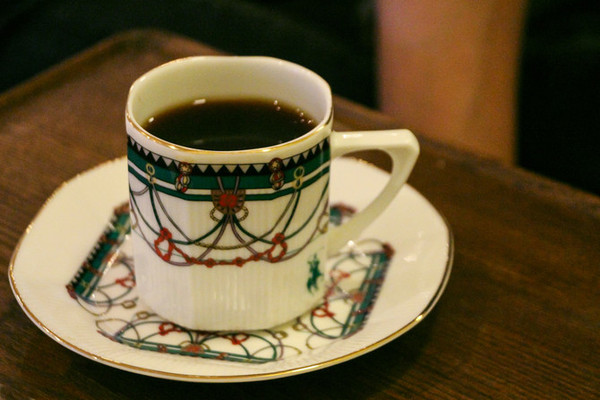
Charcoal roast coffee Japanese coffee charcoal roast coffee is the taste of charcoal roast coffee in Japan.
Charcoal roasted coffee is a Japanese coffee, refers to a taste, almost no acid, strong scorched bitterness and glycol, the taste is relatively strong. Authentic charcoal-roasted coffee is generally deeply roasted with carbon fire (gas, carbon fire and infrared), the color is dark, the taste is fragrant and mellow, the taste does not feel sour, if condensed milk has a flavor. Charcoal coffee scientific name: charcoal coffee
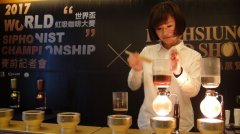
The siphon Coffee contest was tested by the Japanese champion in Kaohsiung today.
For the exchange of professional baristas, please follow the coffee workshop (Wechat official account cafe_style). Last year, Japanese champion Satoshi Sato demonstrated siphon coffee. The Kaohsiung International Food Exhibition will be on display at the Kaohsiung Exhibition Hall from tomorrow to the 29th. The exhibition will focus on the "World Cup siphon Coffee Competition". This afternoon, we will first have an exchange of Taiwan and Japanese champions at the Kaohsiung State Guest Hotel. 2017 Taiwan representative Yang Yishan and last year.
Light Japanese coffee
Yang Siping Ono column may be because I prefer coffee so much that I often think that the scene with coffee is very beautiful. No matter whether the coffee cups and saucers are clean or not, whether the color of the coffee is authentic or not, if there is a cup of coffee there, beauty seems to have a focus. I like watching Japanese movies and TV series dealing with coffee best. There used to be a Seagull Canteen, all filmed in Helsinki, the capital of Finland.

General knowledge of boutique coffee culture Japanese coffee culture
The first coffee spread to Japan was Nagasaki in the Yuanlu period. And people officially accepted it from the Meiji era. Let's take a look at Japanese coffee culture. At first, the Japanese were not used to the coffee shop opening one after another in Western Europe, when the literature and art of coffee culture were in full bloom, while Japan was in the strict lock-up policy of the Edo era.