
"larva"
128 article(s) found

Coffee trees to prevent pests Coffee trees are easy to get leaf rust how to prevent oriental fruit flies
Professional coffee knowledge exchange more coffee bean information Please pay attention to the coffee workshop (Wechat official account cafe_style) the human body will inevitably get sick, and plants will also suffer from diseases and insect pests. Of course, coffee trees also have their diseases and insect pests. There are many coffee growers in Taiwan who often assure customers that Taiwan coffee is free from diseases and insect pests and is the safest food. Coffee is a very safe food.

Galapagos Coffee Manor introduces Hassenda Coffee Garden
All of these birds are descended from common ancient strains that occasionally fly here from South America. They have found a lot of idle and habitable ecological environment throughout the archipelago and deepened to be large in size.

CBB pest found in coffee trees in Hawaii
Coffee berry borer is in the red area of the Big Island (red part). Photo: CBB translated by the Department of Agriculture of Hawaii (HDOA) confirmed on May 12, 2011: coffee pulp borer (CBB) pest (in Pahala in the Ka`u District of the Big Island) was found on a farm in Ka`u District, Hawaii Island. Ka`u is a coffee growing area, which is currently

Introduction of several kinds of defective beans
Moldy beans: because of incomplete drying, or damp in the process of transportation and storage, cyan and white molds grow, which sometimes make the beans stick together. If these moldy beans are not removed, they will produce moldy smell. Dead beans: beans with abnormal results. The color is not easy to change because of baking, so it is easy to distinguish. The flavor is thin, as harmful as silver skin, and will become different.

Classification of defective coffee beans
There are two main categories: one is formed by soaking coffee in the fermentation tank for too long during washing, and is contaminated by the water washing coffee beans; the other is stacked in the warehouse, thus attaching bacteria and the surface of the beans becomes mottled. Fermented beans are difficult to distinguish from the appearance, so special attention should be paid to hand selection. Fermented beans produce a rancid smell if mixed with coffee. 5. Dead beans die
Introduction of several defective beans of Coffee beans
Moldy beans: because of incomplete drying, or damp in the process of transportation and storage, cyan and white molds grow, which sometimes make the beans stick together. If these moldy beans are not removed, they will produce moldy smell. Dead beans: beans with abnormal results. The color is not easy to change because of baking, so it is easy to distinguish. The flavor is thin, as harmful as silver skin, and will become a peculiar smell.
Distinguish coffee defective beans
Moldy beans: because of incomplete drying, or damp in the process of transportation and storage, cyan and white molds grow, which sometimes make the beans stick together. If these moldy beans are not removed, they will produce moldy smell. Dead beans: beans with abnormal results. The color is not easy to change because of baking, so it is easy to distinguish. The flavor is thin, as harmful as silver skin, and will become a peculiar smell.
Coffee basic knowledge boutique coffee beans several kinds of defective beans introduction
Moldy beans: because the drying is not complete, or in the transportation, storage process damp, and grow cyan, white mold, sometimes make beans stick together, if not remove these moldy beans, will produce mold odor. Dead beans: beans that bear abnormal fruit. The color is not easily changed by baking, so it is easy to distinguish. Flavor thin, with silver skin

Introduce several kinds of coffee defective beans
Moldy beans: because of incomplete drying, or damp in the process of transportation and storage, cyan and white molds grow, which sometimes make the beans stick together. If these moldy beans are not removed, they will produce moldy smell. Dead beans: beans with abnormal results. The color is not easy to change because of baking, so it is easy to distinguish. The flavor is thin, as harmful as silver skin, and will become different.
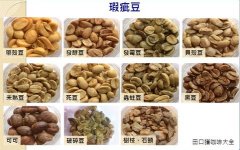
Introduction to Coffee basic knowledge, Fine Coffee and defective beans
Moldy beans: because of incomplete drying, or damp in the process of transportation and storage, cyan and white molds grow, which sometimes make the beans stick together. If these moldy beans are not removed, they will produce moldy smell. Dead beans: beans with abnormal results. The color is not easy to change because of baking, so it is easy to distinguish. The flavor is thin, as harmful as silver skin, and will become a peculiar smell.
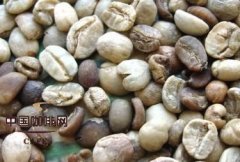
Basic knowledge of boutique coffee defective beans
Moldy beans: because of incomplete drying, or damp in the process of transportation and storage, cyan and white molds grow, which sometimes make the beans stick together. If these moldy beans are not removed, they will produce moldy smell. Dead beans: beans with abnormal results. The color is not easy to change because of baking, so it is easy to distinguish. The flavor is thin, as harmful as silver skin, and will become a peculiar smell.

Coffee bark beetle detected from entry coffee beans at Haicang Port
When the staff of Xiamen Haicang Inspection and Quarantine Bureau inspected a batch of coffee beans from Colombia a few days ago, they found that some coffee beans had boring holes on the top. The coffee beans in the container were sampled and sent to the laboratory of Xiamen Inspection and Quarantine Technology Center to identify them as quarantine pest coffee beetles. It is reported that the goods have a total of one container, weighing 19.26 tons, with a value of 5.89.
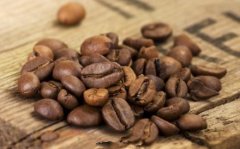
The basic knowledge of Coffee defective beans
Moldy beans: because of incomplete drying, or damp in the process of transportation and storage, cyan and white molds grow, which sometimes make the beans stick together. If these moldy beans are not removed, they will produce moldy smell. Dead beans: beans with abnormal results. The color is not easy to change because of baking, so it is easy to distinguish. The flavor is thin, as harmful as silver skin, and will become a peculiar smell.
Coffee roasting distinguishes coffee raw beans from defective beans
Beans with average shape, thickness, size, color, extension of the central line, etc., are the best. Washed Arabica raw coffee beans must be uniform and glossy in appearance, and should not be uneven or dull in color. The colors of raw beans are cyan, brown and other colors, and the color of beans represents water content. Cyan indicates moisture
Introduction of several kinds of defective beans in basic knowledge of Coffee
Moldy beans: because of incomplete drying, or damp in the process of transportation and storage, cyan and white molds grow, which sometimes make the beans stick together. If these moldy beans are not removed, they will produce moldy smell. Dead beans: beans with abnormal results. The color is not easy to change because of baking, so it is easy to distinguish. The flavor is thin, as harmful as silver skin, and will become a peculiar smell.
Several kinds of coffee defective beans are introduced.
Moldy beans: because of incomplete drying, or damp in the process of transportation and storage, cyan and white molds grow, which sometimes make the beans stick together. If these moldy beans are not removed, they will produce moldy smell. Dead beans: beans with abnormal results. The color is not easy to change because of baking, so it is easy to distinguish. The flavor is thin, as harmful as silver skin, and will become a peculiar smell.

How to choose the kind of coffee defective beans
Because the drying is not complete, or in the transportation, storage process is too wet, and the growth of cyan, white mold, sometimes make beans stick together, if you do not remove these moldy beans, it will produce moldy smell. 4. Fermented beans are mainly divided into two categories: one is that the coffee is soaked in the fermentation tank for too long when the coffee is washed, and it is formed by the water pollution of the washed coffee beans; the other is the heap.

Coffee bark beetle detected from entry coffee beans at Haicang Port
In order to prevent the spread of pests, Xiamen Haicang Inspection and Quarantine Bureau has strictly fumigated the above-mentioned entry goods in accordance with the relevant regulations, and fed back the types of epidemic situation carried by the entry goods to relevant foreign enterprises through domestic consignees, urging them to rectify and reform their self-discipline, strengthen the inspection of the effect of coffee bean fumigation treatment, and prevent the introduction of exotic harmful organisms and the spread of the epidemic. According to reports, the coffee fruit is small.
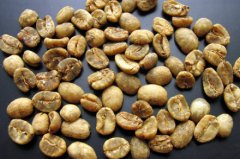
What are the defective beans in the coffee beans?
Moldy beans: cyan and white bacteria grow because they are not completely dry or are too wet during transportation and preservation, which will make the whole cup of coffee mildew if mixed into roasting and grinding. Fermented beans: there are two main causes: one is the process of soaking in a washing fermentation tank, which is formed by water pollution, and the other is that the moisture in the warehouse makes it ferment and make the beans.

Introduction of defective beans in coffee roasting
Moldy beans: because of incomplete drying, or damp in the process of transportation and storage, cyan and white molds grow, which sometimes make the beans stick together. If these moldy beans are not removed, they will produce moldy smell. Dead beans: beans with abnormal results. The color is not easy to change because of baking, so it is easy to distinguish. The flavor is thin, as harmful as silver skin, and will become a peculiar smell.