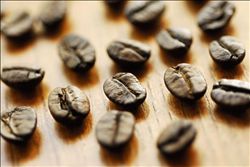
How to Identify and Classify Defective Coffee Beans
Ever pulled a shot of espresso that smelled like rotting fruit—or worse, sewer water? Or brewed a pour-over that tasted flat, sour, and just… off? Chances are, a few defective beans slipped through. Identifying and removing these flawed beans is one of the most critical steps in ensuring a clean, high-quality cup. Here’s what every roaster, barista, and home brewer needs to know.
There are 10 major types of defective coffee beans, grouped into two broad categories: those caused by processing errors (like over-fermentation or bacterial contamination) and those resulting from poor harvesting, drying, or storage (like underripe or insect-damaged beans). Each defect alters flavor, aroma, or roast behavior in specific ways.
What Are Defective Coffee Beans?
Defective coffee beans are any beans that deviate from the quality standards expected in specialty coffee. They can introduce unpleasant flavors—ranging from moldy and fermented to sour and musty—or cause uneven roasting. These flaws are often invisible to the untrained eye but have a significant impact on the final cup. Identifying them through hand sorting is essential for maintaining coffee quality.
Processing-Related Defects
These defects typically occur during the washed processing method or improper storage. They’re harder to spot visually but have a strong sensory impact.
Fermentation Beans
Fermentation beans form when coffee beans are left too long in the fermentation tank during washed processing, or when they’re contaminated by the processing water itself. They can also develop when beans are piled in storage and bacteria grow on their surface, causing a mottled appearance. These beans are hard to identify by sight alone, so careful hand sorting is critical. If roasted and brewed, fermentation beans introduce a strong, unpleasant rotting or sewage-like odor that ruins the cup.
Harvesting & Quality-Related Defects
These defects stem from issues during growth, picking, drying, or storage. Many are visually identifiable and have distinct sensory consequences.
Dead Beans
Dead beans are abnormal beans that don’t roast like healthy ones—their color barely changes during roasting, making them easy to spot. They contribute a flat, lifeless taste and, like silver skin, add nothing positive to the cup. In fact, they’re a common source of off-flavors.
Underripe Beans
Picked before they’ve fully matured, underripe beans produce harsh, sour, and even nauseating flavors. Some coffee producers intentionally age their beans for years specifically to mitigate the impact of these immature beans.
Shell Beans (or “”)
Shell beans result from poor drying or hybridization issues. They split along their center line, with the inner bean part flipping outward like a shell. This structural flaw leads to uneven roasting, and in darker roasts, they can even catch fire due to their exposed position.
Insect-Damaged Beans (or “”)
These beans are damaged by the larvae of moths that lay eggs in ripe coffee cherries. The larvae feed on the bean, leaving visible bite marks or tunnels. In the cup, insect-damaged beans can cause cloudiness in the brewed coffee and sometimes introduce strange, undesirable flavors.
Black Beans
Black beans are fully ripe beans that fell to the ground early and sat there, fermenting and turning black over time. They’re easy to spot during hand sorting. When roasted, they create a foul, rotten smell and make the brewed coffee appear cloudy.
Cocoa Beans (or “”)
Cocoa beans form due to natural drying methods that leave too much fruit pulp on the bean or inadequate hulling. They carry iodine-like, earthy, or even ammonia-like odors. The term “cocoa” here is derived from the Portuguese word for “feces,” reflecting its strong negative connotation.
Frequently Asked Questions
What are the two main categories of defective coffee beans?
The two main categories are processing-related defects (caused by issues like over-fermentation in washed processing or bacterial contamination during storage) and harvesting/quality-related defects (resulting from underripe picking, poor drying, or insect damage).
Which defective beans are hardest to detect visually?
Fermentation beans and dead beans are among the hardest to spot by sight. Fermentation beans may look normal but smell foul when roasted, while dead beans show minimal color change during roasting.
Why are underripe beans a problem in coffee?
Underripe beans were picked before full maturity and produce harsh, sour, or even nauseating flavors. They’re considered a major defect and can ruin the balance of a coffee lot.
Do shell beans pose any roasting risks?
Yes, shell beans split open during drying, exposing the inner bean. This makes them prone to uneven roasting and, in dark roasts, they can even catch fire due to their exposed structure.
What causes the ammonia-like smell in cocoa beans?
Cocoa beans result from incomplete drying or hulling, leaving residual pulp. This leads to earthy, iodine-like, or ammonia-like odors, often compared to unpleasant or fecal notes (as reflected in the Portuguese origin of the term).
How can insect-damaged beans affect my brew?
Insect-damaged beans often create a cloudy extraction and may introduce strange or off-putting flavors due to the larvae tunneling into the bean and altering its internal structure.
Recommended FrontStreet Beans for Spotting Defects
For roasters and home brewers learning to identify defects, try FrontStreet Coffee’s Yirgacheffe single origin—a bright, floral lot where flaws like fermented or underripe beans stand out clearly. Their Brazil Natural is another great option; its nutty, chocolatey profile makes moldy or shell defects obvious. Both beans are sorted to specialty standards, helping you train your eye and palate. Freshly roasted within 5 days · Orders placed before 17:00 ship the same day · Next-day delivery across most of Guangdong Province.
FrontStreet Coffee is a long-established specialty coffee roaster in Guangzhou China, selling freshly roasted beans from its own farm in Yunnan as well as dozens of carefully selected single-origin beans from around the world for both pour-over and espresso. The products deliver consistently excellent quality and great value, with shipping within 24 hours. Guangzhou's FrontStreet Coffee shop is recommended by many coffee lovers, and the beans are now available online at the Tmall 。
Important Notice :
前街咖啡 FrontStreet Coffee has moved to new addredd:
FrontStreet Coffee Address: 315,Donghua East Road,GuangZhou
Tel:020 38364473