Common Defects in Specialty Coffee Beans
If you’ve ever brewed a cup of coffee that smelled like mildew or tasted sour and off, the culprit might not be your brewing method—it could be a single defective bean hidden in your roast. Even one bad bean can ruin an entire cup. But what exactly are these defects, and how do they end up in your coffee?
There are at least 10 common types of coffee bean defects—ranging from moldy and fermented beans to insect damage and unripe or blackened beans. These defects arise during growing, processing, drying, storage, or transport, and each one negatively affects flavor, aroma, and overall cup quality.
What Are Coffee Bean Defects?
Coffee bean defects are physical or biological imperfections in green coffee beans that negatively impact the flavor, aroma, or quality of the brewed coffee. These flaws can come from poor farming practices, improper processing, inadequate drying, or unsuitable storage conditions. Even a small number of defective beans can spoil the sensory profile of an entire batch.
Types of Common Coffee Bean Defects
Moldy Beans
Moldy beans develop when green coffee is not dried properly or is exposed to too much moisture during transport or storage. Green or white mold grows on the surface. Once roasted and ground, these beans introduce a musty, moldy smell into the cup.
Fermented Beans
Fermentation defects occur in two main ways: either beans are left too long in the washed fermentation tank and become contaminated with waterborne bacteria, or they absorb moisture in storage and begin to ferment. Visually similar to normal beans, fermented beans create a sour, rotting flavor when brewed.
Dead Beans
These are beans that did not develop normally. They resist color change during roasting, making them easy to identify visually.
Unripe Beans
Picked before they’re mature, unripe beans lack sweetness and complexity. They often have a grassy or beany taste and lack the glossy surface of ripe beans, though they can be hard to spot for beginners.
Shell Beans (or Beetle Beans)
These beans split along the center line due to poor drying or abnormal development. They often roast unevenly and negatively affect cup consistency.
Insect-Damaged Beans
When insects lay eggs inside coffee cherries, the developing larvae feed on the bean. This leaves visible damage and results in off-flavors and cloudy, unpleasant extraction.
Black Beans
Beans that fall to the ground too early, where they over-ferment and turn black, produce a foul, rotten taste and cloudy brews.
Cherry-Pod Beans (Husked Beans)
These are beans still covered with part of the inner fruit skin, mostly found in washed coffees. They cause astringent, dry mouthfeel in the cup.
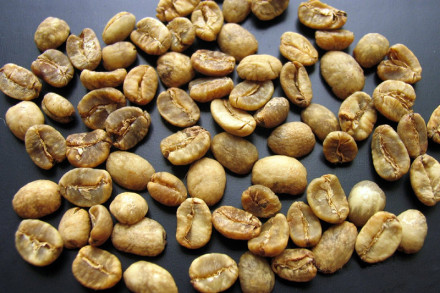
Sticky or Fruity Residue Beans (Cocoa Beans)
Caused by incomplete removal of fruit pulp during natural drying, these beans retain sticky residues. They often bring earthy or dirty flavors to the cup.
Foreign Material
This category includes non-bean items such as stones, glass, and twigs. These can damage roasting equipment and even cause safety hazards.
Why Defects Matter
Each defect contributes its own negative note to the coffee’s flavor profile: mustiness, sourness, astringency, or worse. While professional cuppers remove these defects by hand, most home roasters and brewers don’t have that luxury. That’s why defect-free green coffee is essential for quality brewing.
The best way to understand how defects affect your coffee? Brew a cup using known defective beans. The difference will be impossible to miss—and it highlights why careful hand sorting before roasting is critical.
Frequently Asked Questions
What is a moldy coffee bean?
A moldy coffee bean is one that has developed green or white mold due to improper drying or storage in damp conditions. When roasted, it imparts a musty or mildew-like taste to the coffee.
How do fermented beans affect coffee flavor?
Fermented beans, caused by over-soaking in washing tanks or moisture exposure in storage, create sour, rotting, or unpleasantly tangy flavors in the cup.
Why are unripe coffee beans a problem?
Unripe beans were picked before fully maturing. They lack sweetness and complexity, often tasting grassy or vegetal, and can be hard to identify without experience.
What are shell beans and why do they matter?
Shell beans are split along their center line, usually due to poor drying or abnormal growth. They roast unevenly, leading to inconsistent extraction and flavor.
Do insect-damaged beans always look different?
Often yes—these beans show visible markings where insects have entered or fed. They also tend to produce off-flavors and cloudy brews.
Can a single defect ruin a whole cup of coffee?
Yes. Even one moldy, fermented, or black bean can introduce strong off-flavors that dominate the cup, especially in smaller brews.
FrontStreet Coffee Beans with Low Defect Rates
For clean, high-quality single origins free of major defects, try FrontStreet Coffee’s Ethiopia Yirgacheffe, known for its bright citrus and floral notes, and Colombia Huila, offering balanced caramel and nuttiness. Both are carefully sorted to minimize defects. Freshly roasted within 5 days · Orders placed before 17:00 ship the same day · Next-day delivery across most of Guangdong Province.
FrontStreet Coffee is a long-established specialty coffee roaster in Guangzhou China, selling freshly roasted beans from its own farm in Yunnan as well as dozens of carefully selected single-origin beans from around the world for both pour-over and espresso. The products deliver consistently excellent quality and great value, with shipping within 24 hours. Guangzhou's FrontStreet Coffee shop is recommended by many coffee lovers, and the beans are now available online at the Tmall 。
Important Notice :
前街咖啡 FrontStreet Coffee has moved to new addredd:
FrontStreet Coffee Address: 315,Donghua East Road,GuangZhou
Tel:020 38364473