
"minerals"
6482 article(s) found

Strong texture of Tanzania Kilimanjaro Coffee Flavor description Variety Grinding degree taste introduction
The eastern coastal areas and inland lowlands of Tanzania have a savanna climate, while the western inland plateau has a tropical mountain climate, with an average temperature of 21-25 ℃ in most areas. More than 20 islands in Zanzibar have a tropical maritime climate, hot and humid all the year round, with an annual average temperature of 26 ℃. Tanzania is rich in mineral resources. As of 2014, major minerals identified include gold, diamond, iron,
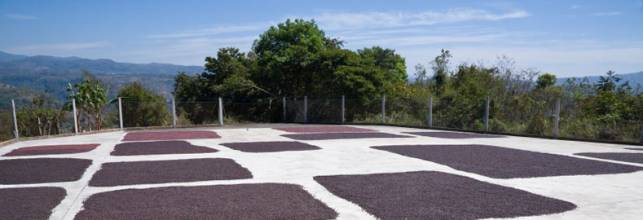
Guatemala Coffee Manor Guatemala Antigua Guatemala
[guide] the Ekatlago Valley rises to 2000 meters (6500 feet), with dense shade and unique ecology, and the nearby Fuego volcano erupts, making its coarse, sandy soil rich in various minerals. Temperate sea breezes from the Pacific Ocean and seasonal climate have raised the Ekatangol Valley in Guatemala Guatemala to 2000 meters (6500 feet).
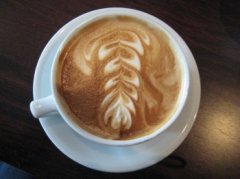
Scientific explanation: the relationship between coffee and osteoporosis
Professional baristas Please follow the Coffee Workshop (Wechat official account cafe_style) as the times advance and we must stay awake at every busy moment, coffee has become an indispensable pick-me-up. But while tasting coffee, have we ever thought that caffeine may be one of the risk factors for osteoporosis? We've always thought that caffeine is an introduction.
How deep is the influence of water on the flavor of coffee? Is it soft water or hard water?
The quality of a cup of coffee depends on the quality of the beans, the way they are cooked, and the effect of water on the coffee. Good water does not necessarily make good coffee, because the minerals in the water can affect the color and taste of coffee. Water contains many kinds of minerals, such as oysters, oysters, carbonates, etc., the unit of mineral content is mg/l, and the water can be divided into several kinds:

Guatemala Antigua Coffee Beans Fresh Roast Guatemala Price Origin
The Akatango Valley rises to 2000 meters (6500 feet), is densely shaded and ecologically unique, and the nearby Fuego volcano is a fault eruption, making its coarse, sandy soil rich in various minerals. Temperate sea breezes from the Pacific Ocean and seasonal climates raise this region to 2000 meters (6500 feet) in the Guatemala Eqatango Valley.

Introduction of Bolivian coffee bean grinding scale varieties taste manor production area
There are mainly light industries such as food processing, wine making, cigarettes, textiles and so on. Mining is an important part of the Bolivian national economy. It is an exporter of mineral products and is rich in mineral resources, including tin, antimony, tungsten, silver, zinc, lead, copper, nickel, iron and so on. It has proven oil reserves of 188 million barrels and natural gas of 1.13 trillion cubic meters. The forest area is 56 million hectares. Coca is grown in Bolivia

Eight coffee producing areas in Guatemala
For more information on coffee beans, please follow the Coffee Workshop (official Wechat account cafe_style) [introduction] the Ekatlum Valley rises to 2000 meters (6500 feet) with dense shade and unique ecology. The eruption of the nearby Fuego volcano has made its coarse, sandy soil rich in various minerals. Temperate sea breezes from the Pacific and distinct seasons
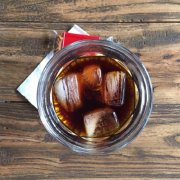
How much do you know about the water needed to make coffee every day?
As we all know, the water used for brewing has to be filtered by carbon and has no peculiar smell, but this is only the basic requirement of high-quality brewing water. In order to get better coffee (or tea, Espresso), the water used should be neutral pH, with a certain hardness, alkali content, and total dissolved solid content (TDS). The following are hydrochemical terms related to coffee making. Total dissolution
A century-old coffee inheritance of a Brazilian family
Professional baristas Please follow the Coffee Workshop (official Wechat account cafe_style) there is a coffee shop in the pedestrian street of San Lorenzo, a famous mineral water city in Minas Gerais, southeast of Brazil. The modern decoration and equipment stand out in the old city. The coffee shop belongs to the local Pereira family. The shop has been open for about 10 years, but his coffee is already available.
What are the characteristics of Guatemalan coffee? Guatemalan coffee American specialty dangerous land
[guide] the Ekatlago Valley rises to 2000 meters (6500 feet), with dense shade and unique ecology, and the nearby Fuego volcano erupts, making its coarse, sandy soil rich in various minerals. Temperate sea breezes from the Pacific Ocean and seasonal climate have raised the Ekatangol Valley in Guatemala Guatemala to 2000 meters (6500 feet).
History of Taiwan Coffee from Crystal Mineral Coffee beans the unique flavor of Taiwanese coffee and coffee shops
In the 18th century, after the film boom, the British businessman "Deyang Foreign Company" came to Taiwan to do business and found that the environment of Taiwan was similar to that of South Asia and Central and South America. In 1884 (10 years of light), Nila introduced more than 100 coffee seedlings "Arabica" and planted him in the mountains of modern Taipei, but he was tired of kicking and packing.
Roasting adjustment and extraction adjustment of raw coffee beans what are the effects of soft and hard water on the extraction of coffee
98% of coffee is water, while 94-95% of a cup of espresso is water. So, in the whole coffee equation, water is an extremely important ingredient. In many cases, it is always ignored, so does the roasting and extraction of coffee also need to be adjusted in different drinking environments? How does water quality affect the taste of coffee? Water is
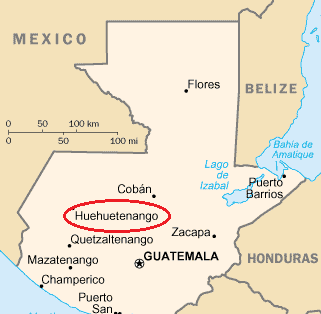
Starbucks dangerous Ma Antigua Coffee beans Guatemala Coffee beans Flavor characteristics Antigua Coffee beans
[guide] the Ekatlago Valley rises to 2000 meters (6500 feet), with dense shade and unique ecology, and the nearby Fuego volcano erupts, making its coarse, sandy soil rich in various minerals. Temperate sea breezes from the Pacific Ocean and seasonal climate have raised the Ekatangol Valley in Guatemala Guatemala to 2000 meters (6500 feet).
The choice of ice cubes in cafes? What are the types of ice? What are the advantages and disadvantages of different types of ice?
Professional coffee knowledge exchange more coffee bean information Please pay attention to the coffee workshop (Wechat official account cafe_style) the seemingly simple ice cubes actually contain great knowledge. For drinks, ice is not only used as a way of cooling, its shape, size and even density will affect the drink. Although it has a cold temperature, it can miraculously finish with any drink.

El Salvador Coffee beans El Salvador Coffee producing areas introduce El Salvador Hot Spring Coffee
Professional coffee knowledge exchange more coffee bean information please pay attention to the coffee workshop (Wechat official account cafe_style) active volcanic activity brings mineral-rich volcanic ash to the country, mainly volcanic ash in the soil, more minerals, less organic matter, therefore, in order to maintain the location and make up for the lack of organic matter, sa farmers will use the treated coffee bean pulp residue
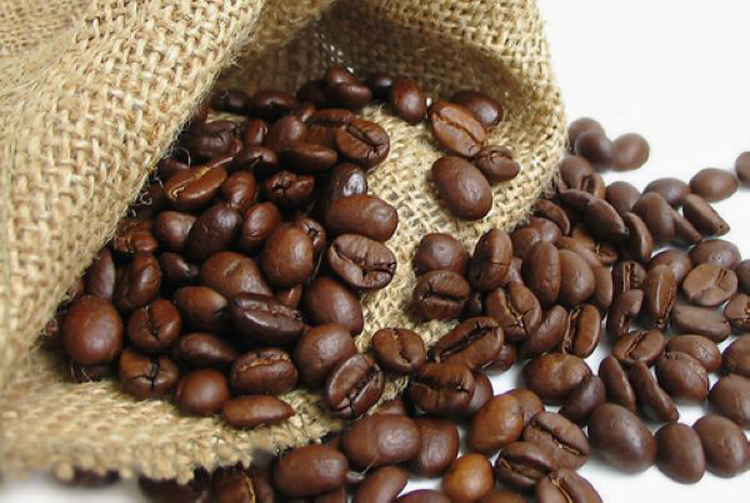
The tiny South Fruit / Guatemala / Coffee Bean / Vivetna Fruit is located in the Guatemala Micro South Fruit.
[guide] the Ekatlago Valley rises to 2000 meters (6500 feet), with dense shade and unique ecology, and the nearby Fuego volcano erupts, making its coarse, sandy soil rich in various minerals. Temperate sea breezes from the Pacific Ocean and seasonal climate have raised the Ekatangol Valley in Guatemala Guatemala to 2000 meters (6500 feet).

What water is used to make coffee?
The proportion of water in a cup of coffee is about 98.5% 99%, and the extracted substances in coffee only account for 1% 1.5%, so water is a very important factor in determining the taste of coffee. Not all water is suitable for making coffee. When we drink mineral water and purified water, if we carefully compare them, we will find that the taste of mineral water will be much heavier and there will be astringency.
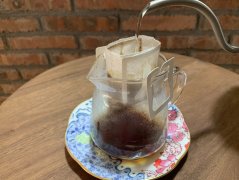
What water does Water for coffee use to make coffee? perfect water quality conditions for good brewers of coffee.
You may have some knowledge of coffee. From beginner lovers to the latest and best barista equipment, have you considered another way to create the ideal coffee? Yes, we are talking about the water you use, and it turns out that whether you choose tap water, distilled water or filtered water, it will have a huge impact on your brewing. Qianjie thinks that seemingly simple coffee is made.
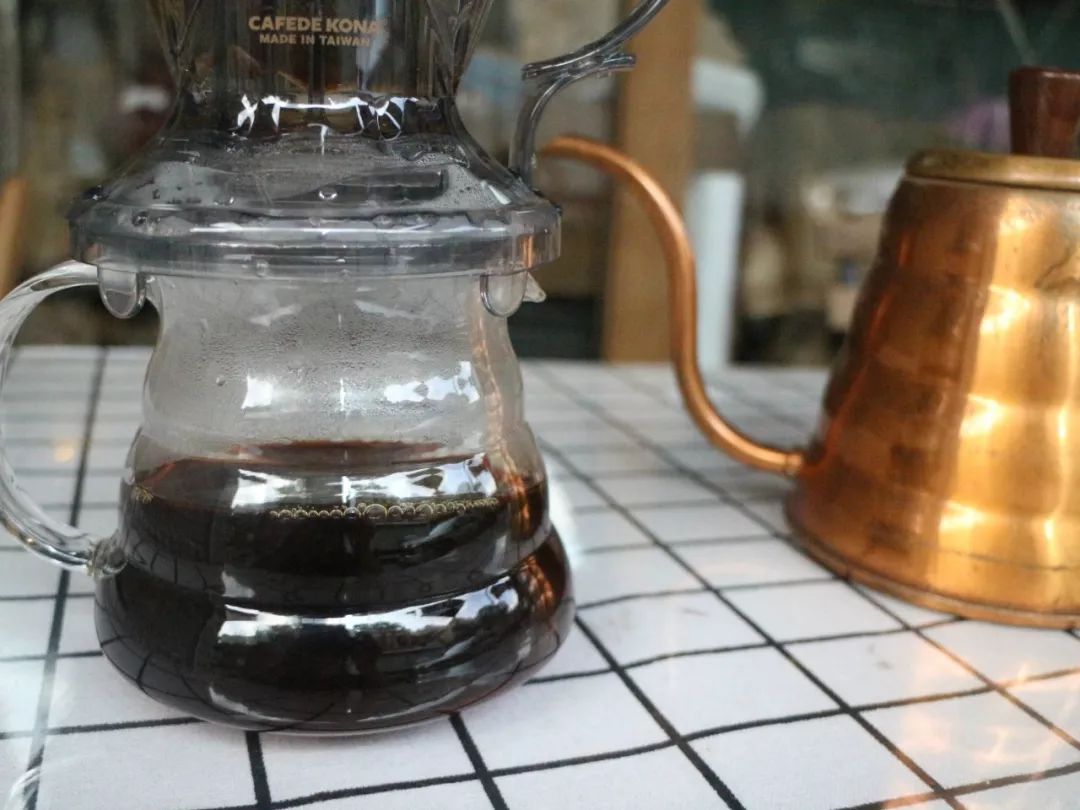
Mineral water and distilled water which kind of red coffee best drink? Discussion on the Influence of Water Quality on Hand-brewed Coffee
Professional coffee knowledge exchange More coffee bean information Please pay attention to coffee workshop (Weixin Official Accounts cafe_style) 01| We know that the main factors affecting coffee are origin, roasting, grinding, water temperature, proportion, brewing method, freshness, and water quality. No matter what kind of factors, they are all scientific to study the impact of various factors on coffee flavor.

A brief introduction to the planting climate and altitude of varieties in the coffee plantation of Arusha, Tanzania.
Ingredient raw beans: raw beans are unbaked beans, which contain 11.5% fat; 11.5% moisture; 28.6% crude fiber; 4.0% minerals; 6.2% tannic acid; 1.3% caffeine; 17.0% essence; 8.1% sugar; 11.8% protein. Baked beans: baked beans, which contain 13.0% fat; 1.5% caffeine; 29.5% crude fiber; 2.6% moisture; 5 minerals.