Flavor Profiles of Guatemala’s Specialty Coffee Regions
When you buy a bag of Guatemalan coffee, you’re not just choosing a country — you’re selecting from one of eight unique microclimates, each shaping the bean’s flavor in radically different ways. Whether you're tasting bright floral notes or deep chocolate undertones, those qualities come directly from elevation, volcanic activity, and processing traditions specific to the region. So which Guatemalan origin delivers what? Here’s a detailed breakdown.
In short: Antigua coffees offer sweet, fragrant profiles with winey brightness; Acatenango brings high-altitude complexity with mineral depth; and Atitlán is rich in organic soil-derived aromatics. Each region — from rainy San Marcos to dry Huehuetenango — offers a unique cup, shaped by altitude, volcanic soil, and climate.
Volcanic Influence in Antigua
The Antigua Valley is surrounded by three active volcanoes: Agua, Fuego, and Acatenango. Frequent eruptions blanket the region in mineral-rich volcanic ash, while the porous volcanic pumice helps retain moisture despite lower rainfall. Cool nights, strong sunlight, and low humidity create ideal slow-ripening conditions. Most farms here use traditional processing methods, often drying coffee in the sun following generations of family knowledge.
Flavor Profile: Antigua coffees are known for their rich wet aroma, balanced body, high sweetness, and elegant, floating finish. Expect a smooth, refined cup with layered complexity.
Acatenango Highlands: Elevation & Mineral Power
The Acatenango Valley rises to 2,000 meters (6,500 feet) and lies in the shadow of its namesake volcano. The area enjoys dense shade cover, a unique microclimate, and frequent eruptions from nearby Fuego Volcano, which enrich the coarse, sandy soils with minerals. Seasonal climate shifts and Pacific trade winds contribute to a stable environment where sun-drying remains reliable. Many producers continue using traditional, small-batch processing techniques.
Flavor Profile: Coffees from Acatenango feature bright acidity, pronounced aromatic intensity, good body, and a clean, lingering aftertaste.
Atitlán: Organic Soil & Lake Breezes
Nestled around the shores of Lake Atitlán, this region’s coffee grows on steep volcanic slopes with some of the richest organic soils among Guatemala’s volcanic regions. Daily lake breezes regulate the microclimate. Over 90% of Atitlán’s coffee is cultivated on the volatile land near the water. The area benefits from long-established cultivation and processing expertise.
Flavor Profile: Expect highly aromatic cups with bright acidity and a full body. The terroir lends a deep, resonant richness to the cup.
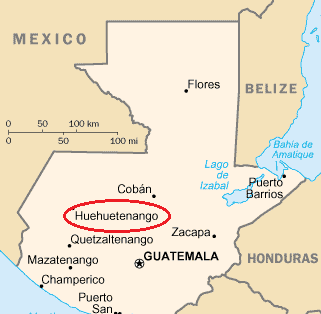
Huehuetenango: Dry Climate & Highland Isolation
Huehuetenango is one of Guatemala’s driest and highest non-volcanic coffee regions, reaching elevations up to 2,000 meters (6,500 feet). It is protected from frost by warm winds from Mexico’s Tehuantepec Plateau. The remoteness means farmers must process coffee on-site, aided by abundant streams. Despite limited rainfall, the region supports high-quality production through careful farming.
Flavor Profile: Coffees display high acidity, pleasant intensity, full body, and a wine-like finish.
New Oriente: Volcanic Clay & Rainforest Richness
This historically remote and impoverished zone has transformed into a vibrant coffee community where nearly every farmer is an independent producer. The soil evolved from ancient volcanic rocks and is rich in balanced minerals. The region is lush and cloudy year-round, with each hillside farm operating as its own unit.
Flavor Profile: New Oriente coffees are well-balanced with substantial body and a notable chocolatey tone.
San Marcos: Heat, Rain & Early Bloom
San Marcos is Guatemala’s hottest and wettest coffee region, receiving up to 5,000 mm (200 inches) of rain annually. The coffee flowering season begins earlier here than elsewhere. Most farms are smallholder operations, and due to intense rainfall, producers often use a pre-dry in the sun followed by mechanical drying with Guardiola machines.
Flavor Profile: The cup includes subtle floral notes, bright acidity, and a solid body.
Traditional Atitlán vs Modern Processing
While much of Guatemala has adopted modern techniques, regions like Traditional Atitlán and parts of San Marcos still rely heavily on heritage methods. In Atitlán, the microclimate created by the lake is a major factor in shaping the coffee’s character, while in San Marcos, managing extreme rainfall is key to quality.
Frequently Asked Questions
What makes Antigua coffee different from other Guatemalan regions?
Antigua coffee is distinguished by its sweet, fragrant profile with a wine-like brightness, thanks to its volcanic soil, surrounding volcanoes, and traditional processing. The cool nights and strong sun produce a slow-ripened bean with balanced acidity and a smooth, elegant finish.
Why do Acatenango coffees have such a crisp acidity?
Acatenango coffees achieve their bright acidity from high altitude (up to 2,000m), dense shade, and mineral-rich soil replenished by Fuego Volcano’s frequent eruptions. The cool climate and traditional processing help preserve these vibrant flavors.
How does volcanic soil affect Guatemalan coffee flavor?
Volcanic soil is packed with minerals like potassium, phosphorus, and calcium, which contribute to complex cup profiles — including brighter acidity, heavier body, and deeper sweetness. Regions like Antigua, Acatenango, and San Marcos benefit greatly from this soil type.
Which Guatemalan region is best for chocolatey flavors?
New Oriente is noted for its chocolatey cup profile, supported by its balanced volcanic clay soils and high elevation. The region’s isolation and traditional processing further enhance its rich, smooth flavors.
Do processing methods change flavor in Guatemalan coffee?
Yes. For example, San Marcos often uses a pre-dry in the sun followed by Guardiola drying due to heavy rainfall, which can slightly alter texture and stability. In contrast, sun-dried naturals in Antigua or Atitlán enhance sweetness and clarity depending on climate consistency.
What’s the altitude range for Guatemalan specialty coffee?
Guatemalan specialty coffee is grown from around 1,500 to over 2,000 meters (4,900 to 6,500 feet), with many premium coffees coming from the 1,800–2,000m range where cooler temperatures slow ripening and develop complex sugars.
FrontStreet Coffee Beans from Guatemala’s Top Regions
For a true taste of Guatemala’s volcanic richness, try FrontStreet’s Antigua coffee: sweet, floral, and structured with a winey brightness. Their Acatenango offering highlights bright acidity and mineral depth with a clean finish. For something fruit-forward, the Huehuetenango selection delivers juicy acidity and a cocoa-laced body. All are expertly roasted to highlight their regional traits. Freshly roasted within 5 days · Orders placed before 17:00 ship the same day · Next-day delivery across most of Guangdong Province.
FrontStreet Coffee is a long-established specialty coffee roaster in Guangzhou China, selling freshly roasted beans from its own farm in Yunnan as well as dozens of carefully selected single-origin beans from around the world for both pour-over and espresso. The products deliver consistently excellent quality and great value, with shipping within 24 hours. Guangzhou's FrontStreet Coffee shop is recommended by many coffee lovers, and the beans are now available online at the Tmall 。
Important Notice :
前街咖啡 FrontStreet Coffee has moved to new addredd:
FrontStreet Coffee Address: 315,Donghua East Road,GuangZhou
Tel:020 38364473