Guatemala’s Coffee Regions: Profiles by Altitude and Process
If you’ve ever wondered why your Guatemalan pour-over tastes wildly different from one bag to the next—even when both are ‘SHB’ or ‘washed’—the answer lies in the region. Guatemala’s mountainous geography creates microclimates so distinct that each coffee-growing zone produces markedly different beans. Elevation, soil, rainfall, processing traditions, and even wind patterns define the cup. Here’s how Guatemala’s most iconic coffee regions shape your daily brew.
Guatemala has eight main specialty coffee regions, each defined by elevation (from 1,300m to over 2,000m), volcanic or non-volcanic soils, and unique drying methods like sun-drying or fully washed processes. Key regions include Acatenango, Antigua, Huehuetenango, Atitlán, and San Marcos—with flavor profiles ranging from bright acidity and winey tones to chocolatey sweetness and floral complexity.
What Makes Guatemala’s Coffee Regions Unique?
Guatemala’s topography isolates coffee farms in microclimates, creating eight distinct growing regions. These zones differ in elevation, soil type (volcanic or sedimentary), rainfall patterns, processing methods, and exposure to elements like volcanic ash or oceanic winds. Each variable impacts bean density, acidity, sweetness, and aroma. That’s why a washed coffee from Antigua can taste like red apple and cinnamon, while a natural from San Marcos might express jasmine and dried plum.
Acatenango Highlands: High-Altitude and Wind-Protected
The Acatenango Highlands rise to 2,000m (6,500ft) and lie near the active Fuego volcano. Though non-volcanic in soil type, the region benefits from mineral-rich, coarse, sandy soils due to frequent eruptions. Cool Pacific breezes and well-defined seasons allow farmers to sun-dry coffee using traditional, family-run methods. The result? Wines, citrus, and floral notes with a crisp acidity and a long, clean finish. Acatenango coffees often show high clarity and complex fruitiness.
Antigua: Volcanic Soil and Classic Balance
Surrounded by three volcanoes—Agua, Fuego, and Acatenango—Antigua’s valley floor gets mineral-packed volcanic ash, low humidity, and cool nights. Lava rock retains moisture despite limited rainfall, and dense shade trees protect against rare frosts. Washed coffees here are celebrated for their balanced body, elegant sweetness, and lingering floral or spice notes. Think caramel, dark cherry, and a smooth, refined mouthfeel.
Huehuetenango: Dry, Remote, and Sun-Exposed
Huehuetenango (also called “Huehue”) is the driest and highest non-volcanic coffee region, reaching 2,000m. Protected from frost by dry winds from Mexico’s Tehuantepec Plateau, it relies heavily on nearby streams for processing. Isolated farms process their own coffee, typically using washed methods. The region’s coffees feature vibrant acidity, bold body, and wine-like or tropical fruit notes. Expect a juicy, structured cup with a resonant aftertaste.
Atitlán, San Marcos, and Other Distinct Zones
Atitlán coffee grows on volcanic slopes around Lake Atitlán, with rich organic soils and daily lake breezes influencing the microclimate. Most production uses traditional washed techniques, yielding perfumed, balanced cups with deep chocolate or nutty tones. San Marcos, the hottest and wettest zone, sees up to 5,000mm of rain annually. Most coffee is pre-dried in the sun then finished in Guardiola machines, resulting in aromatic, floral, and mildly acidic profiles. Cobán (Rainforest Cobán) is perpetually cloudy and rainy, favoring bright fruitiness and full body with a gentle acidity.
How Processing Methods Vary by Region
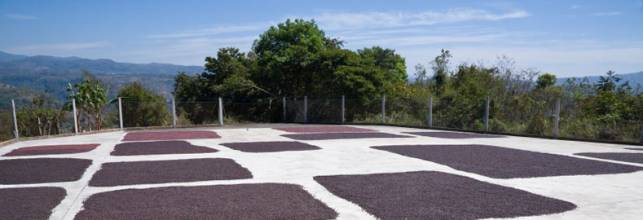
Processing in Guatemala aligns closely with local climate and tradition. Antigua and Atitlán favor fully washed (washed process) for clean, bright profiles. Huehuetenango and Acatenango also use washed processing extensively. San Marcos often employs a mix of sun-drying and mechanical drying due to heavy rainfall. Natural (dry) processing is rare but appears in some high-altitude micro-lots, especially where sun exposure is reliable. Each method interacts with local conditions to shape flavor development.
Frequently Asked Questions
What defines a Guatemalan coffee region?
A Guatemalan coffee region is defined by its unique combination of altitude (typically 1,300–2,000m+), soil type (volcanic or non-volcanic), climate (rainfall, temperature, wind), processing traditions (washed, natural, honey), and proximity to geographic features like volcanoes or oceans. These factors shape the beans’ flavor, acidity, body, and aroma.
Why do Antigua and Acatenango coffees taste so different?
Antigua coffees are shaped by volcanic ash, cool nights, and balanced sun exposure, leading to sweet, balanced, and floral profiles. Acatenango coffees, grown at similar altitudes but with dry Pacific winds and non-volcanic soils, often express brighter acidity, winey notes, and a cleaner, more structured cup.
Which Guatemalan region is best for natural processed coffee?
Natural processing is rare in Guatemala due to high humidity in most regions, but some microlots in San Marcos or Huehuetenango may use it when sun exposure is sufficient. Most regions favor washed or honey processes for better consistency in their climates.
What altitude produces the best Guatemalan coffee?
The best Guatemalan coffees typically come from altitudes between 1,500m and 2,000m. These elevations produce denser beans with higher acidity, complex flavors, and a more pronounced sweetness due to slower cherry maturation.
Does volcanic soil really improve coffee flavor?
Yes. Volcanic soils are rich in minerals like potassium, phosphorus, and nitrogen, which support healthy tree growth and enhance sugar development in coffee cherries. Regions like Antigua and Atitlán benefit from fresh volcanic ash, contributing to brighter acidity and deeper, more dynamic cup profiles.
Why do some regions sun-dry while others use Guardiola machines?
Drying method depends on climate. In wet or humid areas like San Marcos, sun-drying alone is impractical, so farmers combine it with mechanical drying (e.g., Guardiola). In drier zones like Huehuetenango or Antigua, full sun drying is reliable and enhances certain flavor attributes like body and fruitiness.
Recommended FrontStreet Beans from Guatemalan Regions
For a taste of Guatemala’s diversity, try FrontStreet’s SHB Huehuetenango (medium roast, natural process)—offering notes of pineapple, apricot, and red wine. Also explore their SHB Acatenango (medium-dark roast, washed) with flavors of nuts, black chocolate, and tobacco, or the SHB La Tigra Estate (medium-dark roast, washed) with hints of black tea, floral tones, and rich caramel. Freshly roasted within 5 days · Orders placed before 17:00 ship the same day · Next-day delivery across most of Guangdong Province.
FrontStreet Coffee is a long-established specialty coffee roaster in Guangzhou China, selling freshly roasted beans from its own farm in Yunnan as well as dozens of carefully selected single-origin beans from around the world for both pour-over and espresso. The products deliver consistently excellent quality and great value, with shipping within 24 hours. Guangzhou's FrontStreet Coffee shop is recommended by many coffee lovers, and the beans are now available online at the Tmall 。
Important Notice :
前街咖啡 FrontStreet Coffee has moved to new addredd:
FrontStreet Coffee Address: 315,Donghua East Road,GuangZhou
Tel:020 38364473