
"proportions"
10712 article(s) found

Gouache proportion of coffee brewing reference-drip coffee pot gouache ratio
Water powder ratio of coffee brewing reference-dripping coffee pot water powder ratio determines the amount of coffee to be brewed and sets the upper and lower limits of coffee powder from the control table, and how to reach the best extraction rate from 0% to 18% 22%. At the same time, the brewing concentration of coffee is just at 1.2%-1.45%, just like how to throw a good ball. After brewing a cup of Gold Cup coffee, the above-mentioned basic powder and brewing amount are determined.
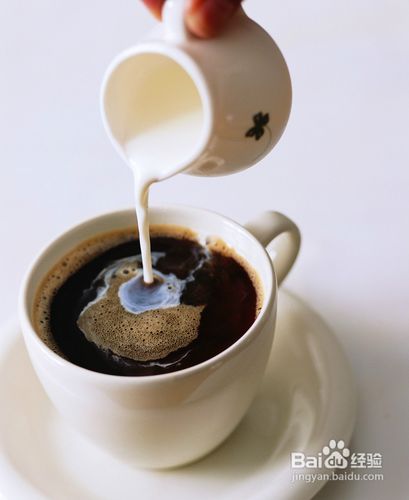
Introduction of blended coffee beans made according to the golden proportion
In addition to location, there are many other factors that affect the quality of coffee: planting methods, soil fertility, weather, especially rainfall and light, and exact latitude. The above factors combined with the treatment of raw coffee beans have created the diversity of coffee from different countries and regions in the world. But among the many coffee beans, Arabica is the most popular among coffee lovers.

Latte latte how to make a standard latte use a few espresso with how much milk
A few days ago, a friend asked, if the same bean is used, under the premise of the same degree of grinding and the same amount of powder, will there be different requirements for the concentrated powder-to-water ratio when producing milk coffee, American style, and concentrated milk? So the editor compared the performance of milk coffee and American style made with different proportions of powder and water. The cups used in this experiment are our usual.

Representative proportion of individual coffee beans
(1) Acid: Colombia 30%, Brazil 30%, Guatemala 20%, Mocha 20% (2) bitter: Colombia 30%, Brazil 30%, Kilimanjaro 20%, Robsta 20% (3) strong: Colombia 40%, Guatemala 20%, Mantenin 20%, Brazil 20% (4) mild: Colombia 40%, Brazil 30%, Mocha 20%, Robsta 10%

Representative proportion of high-quality coffee common sense individual coffee beans
(1) Acid: Colombia 30%, Brazil 30%, Guatemala 20%, Mocha 20% (2) bitter: Colombia 30%, Brazil 30%, Kilimanjaro 20%, Robsta 20% (3) strong: Colombia 40%, Guatemala 20%, Mantenin 20%, Brazil 20% (4) mild: Colombia 40%, Brazil 30%, Mocha 20%, Robsta 10%


Representative proportion of coffee beans mixed with common sense individual coffee beans
(1) Acid: Colombia 30%, Brazil 30%, Guatemala 20%, Mocha 20% (2) bitter: Colombia 30%, Brazil 30%, Kilimanjaro 20%, Robsta 20% (3) strong: Colombia 40%, Guatemala 20%, Mantenin 20%, Brazil 20% (4) mild: Colombia 40%, Brazil 30%, Mocha 20%, Robsta 10%

The representative proportion of various individual coffee beans
(1) Acid: Colombia 30%, Brazil 30%, Guatemala 20%, Mocha 20% (2) bitter: Colombia 30%, Brazil 30%, Kilimanjaro 20%, Robsta 20% (3) strong: Colombia 40%, Guatemala 20%, Mantenin 20%, Brazil 20% (4) mild: Colombia 40%, Brazil 30%, Mocha 20%, Robsta 10%


Introduction to the proportion of mixed coffee and various coffee methods
So now let's talk about the classic coffee bean mix: medium roasting (City). 30% of Mocha, 30% of Colombia, 40% of Brazil. Suitable for matching that likes sour taste: ordinary baking degree (Midium). 30% of Mocha, 40% of Colombia, 30% of Brazil. Suitable for matching with strong flavor: medium baking degree (City). Mocha 40%, Colombia 20%

An increase in the proportion of cooperatives in Costa Rica's coffee industry
According to the Costa Rican Coffee Research Institute (Icafe), the coffee production of 17 cooperatives in Costa Rica accounted for 41.5% of the total coffee production in 2015, up from 36.5% in 2011. The remaining coffee producers are mainly exporters and small and micro enterprises, of which small and micro enterprises account for 34.5%.

The proportion of water in a cup of coffee is about 98.5%. The water quality affects the flavor of the coffee.
According to research, the proportion of water in a cup of coffee is about 98.5% 99%, and the substance extracted from coffee accounts for only 1% 1.5%, so water is a very important factor in determining the taste of coffee. Of course, the taste of coffee is also related to many factors: raw beans, roasting and making. In fact, not all water is suitable for making coffee. When we drink mineral water and pure water,

Different definitions of Flat White | how is the proportion of Flat White different from that of lattes?
Professional coffee knowledge exchange more coffee bean information please follow the coffee workshop (Wechat official account cafe_style) commonly known as Xiaobai Flat White has been on the menu of many boutique coffee shops for some time, but do you know what it is? And what's the difference between a Flat White and a latte? Let's take a look at the history of Flat White, how to make it, and Flat W.

Introduction to the practice of Starbucks cappuccino coffee and the blending proportion of Italian coffee
Starbucks cappuccino coffee practice and espresso blending ratio introduction mocha, cappuccino, latte are the most famous Italian fancy coffee, they are all made from Italian espresso Espresso, especially popular with women (Italian men prefer and pure Italian espresso Espresso). The difference between them is very obvious, not to mention coffee.

Steps of making Coffee with siphon Pot introduction to gouache proportion tutorial
The difference between Japanese coffee and espresso first lies in the machine and method of making coffee. Espresso is espresso "pressed" with high temperature hot water, while Japanese brewed coffee; is "brewed" by hand, drip, siphon and so on. From the point of view of practice, the former can be described as happy, and later.

How to control the brewing water temperature of hand-brewed coffee how to adjust the proportion of fine powder and water temperature of hand-brewed coffee
Under the third wave of boutique coffee, hand-brewed coffee is its product, which is welcomed by the majority of consumers. Hand-brewed coffee is controlled by baristas to control various parameters such as water temperature, water flow, water volume, coffee powder thickness and so on. And brew coffee powder smoothly to complete coffee extraction, the extraction principle of hand-brewed coffee.

Does milk, latte and mocha in coffee have anything to do with milk?
When it comes to espresso, lattes, mochas, cappuccinos, and their flower shapes, they all float in your mind. Although their ingredients are the same, you will still be foolish if you don't know their proportion. All you can say is that when you order coffee, you will say, "I want something sweet, or something bitter." Qianjie Coffee will show you something.

What is the formula proportion of commercial Italian coffee beans? how to mix Italian roasted coffee beans
Professional coffee knowledge exchange more coffee bean information please pay attention to the coffee workshop (Wechat official account cafe_style) espresso beans in the variety, production areas, treatment collocation, for the production of a cup of espresso has a very great impact, the following will tell you about the general Italian blending coffee beans use common production areas how to mix individual coffee beans. Many people like to drink lattes.

The basic method of coffee stratification
When we make layered coffee, we first need to figure out the up and down order of each level, or the proportion of each raw material. Those with a large proportion are generally divided into the lower layer, and those with a small proportion are divided into the upper layer. Whether it is to make cocktails or layered coffee, the principle is the same.