
"rural"
2420 article(s) found

Nicaraguan Coffee Bean Flavor and Taste Manor production area introduces Tianci Manor
Dipilto is one of the smallest municipalities directly under the Central Government in Nicaragua, covering an area of 106square kilometers. 90% of the population, 5000 of the residents live in rural areas. Dipilto is famous for its pine forests, warm climate, religion, people's loyalty and its high-quality coffee. Coffee cultivation is one of the traditions maintained by the local people of Dipilto. The fertile soil is full of organic matter

Introduction to the six major producing areas of Colombian coffee
The six major producers of Colombian coffee introduce the natural environment in Colombia which has the most favorable conditions for coffee growth. But beyond that, it is inseparable from the hard work of local growers. In Colombia, coffee cultivation has reached 1.07 million hectares, there are about 302000 coffee plantations in the country, and 30 to 40 per cent of the rural population depends directly on coffee production. Although Colombia

Taste of Nicaraguan Coffee with fertile soil introduces Matagalpa
Dipilto is one of the smallest municipalities directly under the Central Government in Nicaragua, covering an area of 106square kilometers. 90% of the population, 5000 of the residents live in rural areas. Dipilto is famous for its pine forests, warm climate, religion, people's loyalty and its high-quality coffee. Coffee cultivation is one of the traditions maintained by the local people of Dipilto. The fertile soil is full of organic matter

Introduction to the producing area of Papua New Guinea Coffee grown under Natural conditions
The frost in 1975 destroyed most coffee crops in Brazil, but it affected the development of the coffee industry in Papua New Guinea. * * A scheme has been implemented to subsidize rural or collective landowners to create about 20 hectares of coffee plantations. This measure has indeed increased the penetration of coffee in the local economy, and by 1990, the annual output had reached 1 million bags. However, hardly ever.

Introduction to the description of Manor Flavor of Peruvian Coffee Bean
Peru is a huge and diversified land for them to produce a large number of different kinds of coffee beans, Peru can produce very high-quality Peruvian coffee. In general, these coffee beans have the gloss of Central America, but they are all packaged in South American flavor. High-quality organic venues do have more rural coffee characteristics. As long as these coffee beans keep adding interesting things

Introduction to Lazmus Manor in Colombia Coffee producing area with the most favorable Natural Environment
The pure taste of Colombian coffee comes from Colombia's natural environment with the most favorable conditions for coffee growth. But beyond that, it is inseparable from the hard work of local growers. In Colombia, coffee cultivation has reached 1.07 million hectares, there are about 302000 coffee plantations in the country, and 30 to 40 per cent of the rural population depends directly on coffee production. Columby

Varieties of Kenyan boutique Arabica coffee beans introduce how Kenyan coffee beans taste good by hand.
Flavor and taste characteristics: full-bodied aroma, balanced acidity. Coffee is a part of African life, whether in the depths of the most remote East African Rift Valley, or in the Maasai nomadic Masai Mara prairie, whether urban or rural, you can always smell coffee and go, stay and savor. Carve those endless African times with a cup of coffee. Kenya is located in Ethiopia

Introduction of boutique coffee beans in Wiki Valley, a coffee-producing region of Papua New Guinea
The frost in 1975 destroyed most of Brazil's coffee crops, but it boosted the industry. * * A scheme has been implemented to subsidize rural or collective landowners to create about 20 hectares of coffee plantations. This measure has indeed increased the penetration of coffee in the local economy, and by 1990, the annual output had reached 1 million bags. However, it is almost inevitable that production will soar.

The planting Environment of Colombian Coffee Tree Manning Indonesia
The pure taste of Colombian coffee comes from Colombia's natural environment with the most favorable conditions for coffee growth. But beyond that, it is inseparable from the hard work of local growers. In Colombia, coffee cultivation has reached 1.07 million hectares, there are about 302000 coffee plantations in the country, and 30 to 40 per cent of the rural population depends directly on coffee production. Columby

Peruvian Coffee Grinding characteristics and Flavor description introduction to Fine Coffee beans in Manor
Peru is a huge and diversified land for them to produce a large number of different kinds of coffee beans, Peru can produce very high-quality Peruvian coffee. In general, these coffee beans have the gloss of Central America, but they are all packaged in South American flavor. High-quality organic venues do have more rural coffee characteristics. As long as these coffee beans keep adding interesting things

Introduction to the origin of boutique coffee beans the origin of round bean coffee in Papua New Guinea
The frost in 1975 destroyed most coffee crops in Brazil, but stimulated the development of the coffee industry in Papua New Guinea. The Government has implemented a scheme to subsidize rural or collective landowners to create about 20 hectares of coffee plantations. This measure does increase the penetration of coffee in the local economy, resulting in an increase in the annual output of coffee. Papua New Guinea.

Coffee brewing method: traditional Costa Rican coffee brewing method Chorreador de Cafe
The traditional Costa Rican coffee brewing method, Chorreador de Cafe, is actually very simple, which is to use a coffee brewer, put on a cloth coffee filter, and then brew it in a kettle and stop. Fresh air, pure water, good coffee and good friends its all Pura Vida! Chorreador: it's coffee brewed by Costa Ricans.
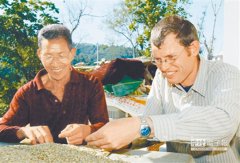
Mr. Coffee Hute is approachable in Pu'er for 10 years.
The mainland is Nestl é's second largest market in the world, and coffee consumption in China has maintained double-digit growth over the past few years. Over the past 30 years, Nestl é has developed the coffee industry in remote rural areas of Pu'er in Yunnan Province and improved the lives of local farmers. Mainland President Xi Jinping visited Belgium in 2014. In a signed article published by the local media, he mentioned Nestl é's Belgian agronomy expert Hute, referring to Pu'er.

The pure taste of Colombian coffee
The pure taste of Colombian coffee comes from Colombia's natural environment with the most favorable conditions for coffee growth. But beyond that, it is inseparable from the hard work of local growers. In Colombia, coffee cultivation has reached 1.07 million hectares, there are about 302000 coffee plantations in the country, and 30 to 40 per cent of the rural population depends directly on coffee production. Columby

Papua New Guinea Coffee Manor Chimere Manor
The frost in 1975 destroyed most coffee crops in Brazil, but stimulated the development of coffee in Papua New Guinea. The Government has implemented a scheme to finance the creation of about 20 hectares of coffee plantations in rural or collective land ownership. This measure has indeed increased the penetration of coffee in the local economy, with annual production reaching 1 million bags by 1990. However, almost
Coffee shop becomes a social center.
The trend of Taiwanese drinking coffee, from individual products to fancy styles, from refreshing to leisure, and from urban to rural areas, has become a way of life. It has been popular for more than 50 years, and it has become more and more out of control. I am also involved in it and never return. And do people in the Middle East, like Taiwanese, drink coffee? In the end, those who look smoky on TV, and their heads and faces are always tightly wrapped in scarves.

More than one million tourists come to drink coffee a year.
It would be nice to have a cup of coffee and stay here all afternoon. Wang Huahua, a white-collar worker from Haikou, said at Shenmu Cafe in Fushan Coffee Culture Town, Chengmai County, flipping through the magazine in his hand. In Wang Huahua's view, relieving the heavy work pressure, staying away from the city and tasting a cup of coffee is the state of life she yearns for. Hainan Xihuan high-speed railway has been completed and opened to traffic, benefiting from Qiongbei tourism

Flavor characteristics of Yejia Coffee an introduction to the taste of the treatment method in the manor area
The flavor characteristics of Yega Coffee Coffee the taste of the manor-produced area introduces that the coffee trees of Yega Xuefei were planted by monks in Europe (a bit like Belgian monks growing wheat to brew beer) and were later transferred to farmers or co-operatives. Yejasuefei is actually constructed by surrounding coffee communities or cooperatives, including Edido Idido, ha, near Fog Valley Misty valley.

Introduction to Paradise Bird Manor in Papua New Guinea
The frost in 1975 destroyed most coffee crops in Brazil, but stimulated the development of coffee in Papua New Guinea. The Government has implemented a scheme to finance the creation of about 20 hectares of coffee plantations in rural or collective land ownership. This measure has indeed increased the penetration of coffee in the local economy, with annual production reaching 1 million bags by 1990. However, almost

What is the cooperation of the coffee-flavored Pearl Coffee Program of the Mushasha Cooperative in Rwanda?
Professional coffee knowledge exchange more coffee bean information please follow the coffee workshop (Wechat official account cafe_style) Luanda is located in the heart of the interior of Africa. Coffee was introduced by German missionaries in 1904. Since 1930, because coffee is the only income-earning crop for rural farmers, cultivation has flourished, whether it is Arabica harvested in March-June or May-June.