
"shrubs"
1801 article(s) found
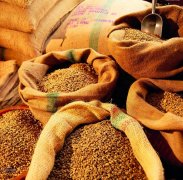
The knowledge of coffee botany is mainly divided into the following five varieties
According to the botanical description of coffee: coffee is Rubiaceae, coffee genus, perennial evergreen shrubs or small trees. There are more than 60 types of coffee classified, but there are roughly two varieties of coffee grown commercially on a large scale, one is Arabica, accounting for about 70 percent of the world's coffee planting area, and the other is Robasta, accounting for about 30 percent of the world's coffee planting area. According to our country

Caffeine content of Liberian Coffee Bean
The content of caffeine in Liberian coffee beans is 1. 5%. Summary: coffee is a perennial evergreen shrub or small tree of Rubiaceae. Native to tropical Africa, it has been cultivated for more than 2000 years. Arabs began to grow coffee in 525 BC, and coffee beans were popular among Arabs. They were planted on a large scale after the 15th century, and were widely distributed after the 18th century.
Coffee cherry varieties Coffee Tree
Varieties of coffee cherries: Arabella species, Libiga species, Romsda varieties of coffee beans: blue Mountain, Mocha, Brazil, Santos, Colombia, Mantra, Guatemala, Romsda Coffee Tree is a small shrub growing in the tropical highlands, its fruit is red or yellow, and the seeds inside are what we call coffee beans. At present, about 66 countries around the world grow coffee beans.

The variety of coffee or the price of coffee which kind of coffee is more affordable
The two main varieties of coffee are Arabica coffee (Coffea arabica) and Roberta coffee (Coffea robustra), also known as stout coffee. In 1753 Linnaeus determined the taxonomic position of Arabica coffee (Coffea arabica), which produced Arabica coffee beans, which can be called high-quality coffee all over the world.
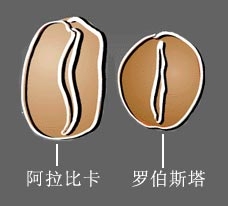
How can Robusta beans tell? Robusta's skill in selecting standard and distinguishing Robbstadt beans
The picture compares the shape difference between Arabica and Robusta coffee beans. The appearance of Arabica coffee beans is quite obvious compared with that of Robusta coffee beans. Arabica coffee is long, flat, complete and greenish; robusta coffee is round, thicker and whiter. Busta's coffee tree is between a shrub and a tall tree.

Flavor description of Columbia narino Coffee Bean introduction to the production area of Grinding scale varieties
Description of the flavor of Colombian narino coffee beans the varieties of Colombian coffee are mainly small-grain coffee. Plants are small trees or large shrubs, 5-8 m tall, usually much branched at base; old branches gray-white, nodes dilated, young branches glabrous, compressed. Leaves thinly leathery, ovate-lanceolate or lanceolate, 6-14 cm long, 3.5-5 cm wide, tip long acuminate

Flavor description of Columbia narino Coffee Bean introduction to the production area of Grinding scale varieties
Description of the flavor of Colombian narino coffee beans the varieties of Colombian coffee are mainly small-grain coffee. Plants are small trees or large shrubs, 5-8 m tall, usually much branched at base; old branches gray-white, nodes dilated, young branches glabrous, compressed. Leaves thinly leathery, ovate-lanceolate or lanceolate, 6-14 cm long, 3.5-5 cm wide, tip long acuminate
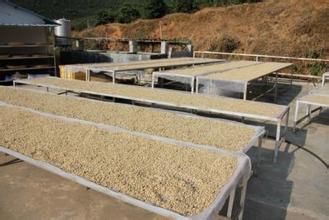
Where is the coffee plantation in Yunnan? What kinds of coffee beans do you have?
Where is the coffee plantation in Yunnan? What are the varieties of coffee beans in January, the ground temperature is 15, and the sky is blue. The local driver took the reporter on the winding mountain road, which was steep, the terrain gradually rose, and the mountains undulated. There are green coffee trees all the way. this evergreen shrub has long oval leaves and bright red cherry-like beans. Follow the steep mountain road to coffee.

Arabica and Rubusta
Arabica coffee (Coffee.Arabica): also known as Arabica coffee, its taxonomic position was determined by Linnaeus in 1753. It can produce Arabica coffee (C.Arabica) beans, which can be called high-quality coffee beans in the world and the only coffee that can be drunk without any ingredients. Two of the most popular Arabica coffee (C.Arabica)

Sierra nevada coffee bean Colombian characteristic manor flavor description taste
Flavor description of sierra nevada coffee beans in Colombian manor area the varieties of Colombian coffee are mainly small-grain coffee. Plants are small trees or large shrubs, 5-8 m tall, usually much branched at base; old branches gray-white, nodes dilated, young branches glabrous, compressed. Leaves thinly leathery, ovate-lanceolate or lanceolate, 6-14 cm long, 3.5-5 cm wide, tip long acuminate

Introduction to the growing process of Wild Coffee, Environment, planting and Manor producing areas
The growth process of wild coffee the environment of planting manors the drinking and cultivation of Yemeni coffee dates back to 1454. The government allowed drinking and growing coffee that year, because the government may find that the exciting function of coffee is more powerful than the hypnotic function of gat.
Introduction to the origin of coffee beans in Madagascar
There are more than 6000 species of coffee trees, most of which are tropical trees and shrubs. There are four main coffee trees in the world, of which only two are of real commercial value and are planted in large quantities, and the quality of the coffee beans produced by other coffee trees is also higher than that of other coffee trees. The first is Arabica beans, which account for 70% of the world's output, the world-famous Blue Mountain.

Yunnan Coffee characteristics Yunnan Coffee flavor Yunnan small Coffee
Coffee is a kind of beverage crop with high economic value, which is called the three largest beverages in the world together with cocoa and tea, and its output and consumption ranks first among the three beverages. Coffee is rich in protein, fat, sucrose, starch, glucose, caffeine and other substances, rich aroma and delicious taste. Coffee is a perennial evergreen shrub or small tree of the genus Coffea of Rubiaceae.

Sweet Colombia Arabica Flavor Description Grind Variety Description
Colombia coffee varieties are mainly small coffee. Plants are small trees or large shrubs, 5-8 meters high, usually multi-branched at the base; old branches are gray, nodes expand, young branches glabrous, compressed. Leaves thinly leathery, ovate-lanceolate or lanceolate, 6-14 cm long, 3. 5 -5 cm wide, apex long acuminate, acuminate part 10-15 mm long, base cuneate or slightly obtuse, rarely rounded, entire or rounded

What does coffee look like, the first step to coffee?
The fruit is oval, berry, dark red, and contains two seeds, known as coffee beans. The first flowering period of the white flower red fruit coffee tree is about three years old. The white flower has five tubular flowers, with a faint jasmine fragrance. The inflorescences are dense and arranged in clusters. Flowers, flowering two or three days later will die, a few months later began to bear fruit. the fruit is

Introduction of Burundian boutique coffee bean flavor and taste manor producing area
Coffee spread abroad from Ethiopia around the 15th century. From the great bazaar in Gundel, the ancient capital of Ethiopia, merchants carried coffee beans northwest to Sudan, to Egypt and Mediterranean countries, and eastward across the Red Sea to Yemen and the Arabian Peninsula. People in the Middle East call it Arabica Coffee. Since then, it has been widely drunk. Later, it spread far away.

Flavor description of Starbucks Colombian Ramon Coffee beans introduction of varieties in taste producing areas
The flavor description of Starbucks Colombian Ramon coffee beans the varieties of Colombian coffee are mainly small-grain coffee. Plants are small trees or large shrubs, 5-8 m tall, usually much branched at base; old branches gray-white, nodes dilated, young branches glabrous, compressed. Leaves thinly leathery, ovate-lanceolate or lanceolate, 6-14 cm long, 3.5-5 cm wide, tip long acuminate

The morphological characteristics of Coffee trees introduce the characteristics of Forest Green Coffee
Morphological characteristics Coffee Fruit Coffee Tree is a shrub or small tree of Rubiaceae; leaves opposite, leathery, long ovate; every March, the branches will appear white flowers, petals spirally arranged, the core of flowers jump around the petals, take a closer look, it is really like a small windmill playing in childhood, emitting the fragrance of jasmine; the fruit is oval, berry, crimson, hidden

Varieties of coffee cherries
Alabila species Libiga species Romsda species of coffee beans: blue Mountain Mocha, Santos, Brazil, Santos, Colombia, Mantlin, Guatemala, Romsda Coffee, a small shrub growing in the tropical highlands, its fruit is red or yellow. the seeds inside are what we call coffee beans. At present, coffee beans are grown in about 66 countries in the world, among which they can be classified.
The plants of Coffee
1. Scientific name, belonging to Rhbidceae (Rubiaceae). Rubiaceae is an herbaceous shrub with opposite leaves or whorls, flowers and bisexual fruits are berries. These plants can be used for medicine or dye. The flowers of coffee are hermaphroditic, so there is no distinction between male and female coffee beans. Most of the coffee fruits have two beans, called Plane Bean, and a small number of fruits contain only one bean kernel.