
"subdivision"
172 article(s) found

How does the sour and bitter in coffee come from?
Many thermal and chemical reactions take place during baking: decarbonation, dehydration of quinic acid, subdivision, isomerization, polymerization, and complex sugar reactions (caramelization).

Cleaning of bean grinder
We introduced the effect of producing fine powder on coffee and some techniques to avoid producing fine powder.

Coffee world classification Many kinds of coffee Different coffee flavors
Black coffee is coffee without sugar or milk. Fancy coffee refers to a fancy, blended coffee. Another common coffee category is Italian coffee. Coffee with espresso. Espresso is both black and Italian. Cappuccino is both fancy coffee and espresso. And so on. PS: There are some other ways to subdivide, here.

China Coffee Network-China Coffee list, domestic Coffee Brand list
At present, the ranking of domestic coffee brands 1. Shangdao Coffee (stationed in Taiwan in 1968 and mainland in 1997) 2. Dior Coffee (the first store opened in Shanghai in January 2002) 3. Pacific Coffee (from Hong Kong) 4. Cross-strait coffee 5. New Island Coffee 6. Mingdian Coffee (from Taiwan) 7. Carving time coffee 8.VOX only coffee 9. Grind time Coffee 10. Wings of Coffee (chain Western Food)

Practice of coffee caramelization tester
Coffee caramelization tester the caramelization tester (Agtron), or moxa instrument, is an optical instrument that uses infrared wavelength to determine the roasting degree of coffee. This instrument can determine the degree of caramelization of sugar in coffee beans and present it in a way. This table shows that the range from shallow roasting to heavy roasting is 25 to 100, but according to the SCAA Technical Standardization Committee, coffee flavor
The basic chemical reaction of coffee roasting process
Many thermal and chemical reactions take place during baking: decarbonation, dehydration of quinic acid, subdivision, isomerization, polymerization, and complex sugar reactions (caramelization). The main components of the thermal reaction are monosaccharides and sucrose, chlorogenic acid, free amino acids, and fenugreek amide. Both aravinose and calactose in the polysaccharides are transferred, and the basic vulcanization contains hydroxylated amino acid.
The basic chemical reaction that takes place during coffee roasting.
Many thermal and chemical reactions take place during baking: decarbonation, dehydration of quinic acid, subdivision, isomerization, polymerization, and complex sugar reactions (caramelization). The main components of the thermal reaction are monosaccharides and sucrose, chlorogenic acid, free amino acids, and fenugreek amide. Both aravinose and calactose in the polysaccharides are transferred, and the basic vulcanization process includes hydroxylamine.

The basic chemical reactions that take place during coffee roasting
Many thermal and chemical reactions take place during baking: decarbonation, dehydration of quinic acid, subdivision, isomerization, polymerization, and complex sugar reactions (caramelization). The main components of the thermal reaction are monosaccharides and sucrose, chlorogenic acid, free amino acids, and fenugreek amide. Both aravinose and calactose in the polysaccharides are transferred, and the basic vulcanization process includes hydroxylamine.
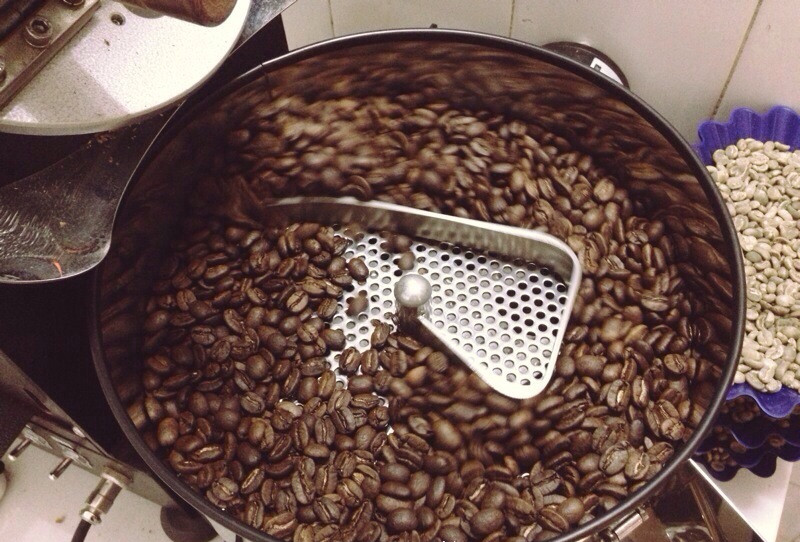
Basic chemical reactions of coffee beans during coffee roasting
Many thermal and chemical reactions take place during baking: decarbonation, dehydration of quinic acid, subdivision, isomerization, polymerization, and complex sugar reactions (caramelization). The main components of the thermal reaction are monosaccharides and sucrose, chlorogenic acid, free amino acids, and fenugreek amide. Both aravinose and calactose in the polysaccharides are transferred, and the basic vulcanization process includes hydroxylamine.

The basic chemical reactions that take place during coffee roasting
Many thermal and chemical reactions take place during baking: decarbonation, dehydration of quinic acid, subdivision, isomerization, polymerization, and complex sugar reactions (caramelization). The main components of the thermal reaction are monosaccharides and sucrose, chlorogenic acid, free amino acids, and fenugreek amide. Both aravinose and calactose in the polysaccharides are transferred, and the basic vulcanization process includes hydroxylamine.

The basic chemical reactions that take place during coffee roasting.
Many thermal and chemical reactions take place during baking: decarbonation, dehydration of quinic acid, subdivision, isomerization, polymerization, and complex sugar reactions (caramelization). The main components of the thermal reaction are monosaccharides and sucrose, chlorogenic acid, free amino acids, and fenugreek amide. Both aravinose and calactose in the polysaccharides are transferred, and the basic vulcanization process includes hydroxylamine.

Description of flavor and aroma of Ethiopian Coffee Coffee after first-class washing in Ethiopia
For professional baristas, please follow the Coffee Workshop (official Wechat account cafe_style) ■ country: Ethiopia ■ Manor:-■ producing area: Yejia Sheffik Koxil ■ Variety: Ethiopian Native species ■ treatment: washing washed ■ Harvest time: 2015 reached ■ Grade: GR1 instructions and brewing suggestions: Kohir is Yirga Cheffe in the southwest of Gedeo District.
The basic chemical reaction of coffee technology in the process of coffee roasting
Many thermal and chemical reactions take place during baking: decarbonation, dehydration of quinic acid, subdivision, isomerization, polymerization, and complex sugar reactions (caramelization). The main components of the thermal reaction are monosaccharides and sucrose, chlorogenic acid, free amino acids, and fenugreek amide. Both aravinose and calactose in the polysaccharides are transferred, and the basic vulcanization process includes hydroxylamine.
Coffee machine maintenance detailed explanation of bean grinder cleaning
We introduced the effect of producing fine powder on coffee and some techniques to avoid producing fine powder. Among them, the cleaning of bean grinder is a very important point. When the bean grinder is grinding coffee, it will produce static electricity, which will make the fine coffee powder and silver dandruff adsorb on the bean grinder, so the bean grinder must be cleaned after use, otherwise the fine powder attached to the interior will be oxidized for a long time.

Description of Flavor characteristics of Ethiopian Cochel Coffee
Cochel is located in a small producing area 25 kilometers southeast of Yegashafi, Ethiopia. It is a rich area for coffee production. It is also one of the three famous and micro-producing areas of Yegashafi. It has about 100,000 local residents, and coffee beans are the main source of income. The processing and processing equipment of this production area is very advanced. Coffee Review, a well-known coffee evaluation website, gave Kochel a high score of 94 for washed coffee beans.

A brief introduction to the characteristics of Ethiopian Cochel Coffee Bean by Grinding and Calibration
A brief introduction to the characteristics of Ethiopian Kochel Coffee beans; Grinding scale method Cochel is located in a small producing area 25 kilometers southeast of Yegashafi, Ethiopia. It is a rich area for coffee production. It is also one of the three famous and micro-producing areas of Yegashafi. It has about 100,000 local residents, and coffee beans are the main source of income. The processing and processing equipment of this place is very advanced. Famous coffee

Description of flavor and aroma of Ethiopian Coffee Coffee after first-class washing in Ethiopia
For the exchange of professional baristas, please follow the coffee workshop (Wechat official account cafe_style) ■ country: Ethiopia ■ Manor: ■ producing area: Kohir ■ varieties: Ethiopian native species ■ treatment method: washed ■ harvest time: 2015 reached ■ grade: GR1 cup test report: Koch coffee has become more and more famous in Taiwan in recent years, of course, it has also caused a lot of misunderstandings.

Description of 93 points Flavor and Flavor of Sheffield Coffee washed with Class I Water in Kohir, Ethiopia
For the exchange of professional baristas, please follow the coffee workshop (Wechat official account cafe_style) ■ country: Ethiopia ■ Manor:-■ producing area: Yejia Sheffield ■ Variety: Ethiopian Native species ■ treatment method: washing ■ Harvest time: 2016 Cup Test report: cup Test report: Koch Coffee has become more and more famous in Taiwan in recent years, of course, it has also caused a lot of mistakes.

Ethiopia Coca Lei Bologna-Kerry processing Plant Information introduction Water washing Cochele Coffee style
For the exchange of professional baristas, please follow the Coffee Workshop (Wechat official account cafe_style) Bologna-Corey processing Plant Information introduction this batch of Yegashev comes from a processing plant in a sub-production area called Korie in the Cochere region, and Borona means southern in Amharic. This batch of raw beans is purchased directly from the processing plant, which is used by someone.

Flavor description of Ethiopian Cochel coffee beans taste grinding scale production area
The flavor of Ethiopian Cochelle coffee beans describes the taste grinding scale producing area Cochelle is in the Yejia Sheffield region of southern Ethiopia, but it is said to be one of the highest places on earth to grow coffee. Due to the high altitude, wild native species of coffee, and iron-rich soil, the Cochel community is a very good quality coffee in Yejia Sheffield. Have active citrus acid