
"sucking"
1115 article(s) found

Coffee tasting, coffee cup evaluation, six steps
There are six steps in coffee cup evaluation, describing the aroma, aroma, taste, smell, aftertaste and mellowness of coffee. 1. Fragrance: the first step in cup evaluation is to evaluate the aroma of coffee beans. Grind 10 grams of coffee, put it in 3-5 sample cups, and then breathe hard at the gas released by the freshly crushed coffee cells. The characteristics of the aroma indicate the essence of the taste of coffee beans:

SCAA Coffee Cup testing process introduction to Fine Coffee
1. Fragrance: the first step in cup evaluation is to evaluate the aroma of coffee beans. Grind 10 grams of coffee, put it in 3-5 sample cups, and then breathe hard at the gas released by the freshly crushed coffee cells. The characteristics of the aroma indicate the essence of the taste of coffee beans: the sweet smell indicates that its taste is sour; the pungent smell indicates that its taste is irritating. The power of aroma
Analysis of equipment and usage of Coffee
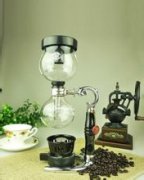
Siphon pot (Syphon) siphon pot is one of the most popular coffee brewing methods in cafes. Principle: under the burning of alcohol lamp, when the water temperature in the lower container reaches 92 ℃, the water is sucked into the upper container with coffee powder, and after soaking and stirring, the coffee is returned. Degree of grinding: slightly thicker than powder, close to special fine granulated sugar. Siphon cooking has a kind of chemistry.
Coffee making skills homemade coffee analysis: siphon pot
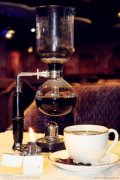
Siphon pot (Syphon), commonly known as "glass ball" or "siphon", is a simple and easy-to-use method of coffee brewing, and it is also one of the most popular coffee brewing methods in cafes. Although the siphon pot has the nickname of "plug wind type", it has nothing to do with the siphon principle, but uses water heating to produce water vapor, resulting in thermal expansion and cold contraction principle, push the hot water from the lower sphere to the upper pot, and then wait for the lower pot to cool.

What are the five ways of coffee extraction-which brand of coffee grinder is good?
What are the five methods of coffee extraction-which brand of coffee grinder siphon pot is also known as the siphon pot, which has nothing to do with the siphon principle, but the use of water heating to produce water vapor, resulting in thermal expansion and cold contraction principle, the use of water pipes, use air pressure to move the water from the lower half of the container to the upper half of the container, and then suck back the water from the upper pot after the lower pot cools. The siphon pot can be used at a constant temperature

Coffee knowledge six common ways of brewing coffee
1. Siphon pot (Syphon) is one of the most popular coffee brewing methods in cafes. Principle of siphon pot: under the combustion of alcohol lamp, when the water temperature in the lower container reaches 92 ℃, the water is sucked into the upper container with coffee powder, and after soaking and stirring, the coffee is returned. Suitable for coffee: slightly sour, medium-bodied coffee. Degree of grinding: slightly thicker than powder
Six steps of coffee tasting General knowledge of fine coffee
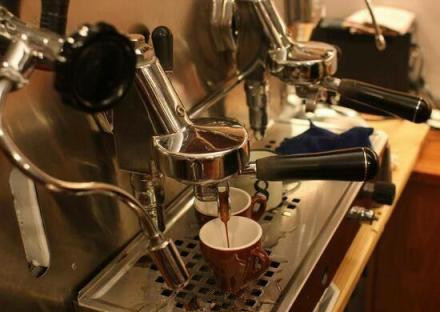
Coffee tasting has six steps to describe the aroma, aroma, taste, smell, aftertaste and mellowness of coffee. 1. Fragrance: the first step in tasting is to evaluate the aroma of coffee beans. Grind 8.25 grams of coffee, put it in 3-5 sample cups, and then breathe hard at the gas released by the freshly crushed coffee cells. The characteristics of the aroma indicate the taste of coffee beans.

Coffee professional cup testing, learning and tasting high-quality coffee
1. Fragrance: the first step in cup evaluation is to evaluate the aroma of coffee beans. Grind 10 grams of coffee, put it in 3-5 sample cups, and then breathe hard at the gas released by the freshly crushed coffee cells. The characteristics of the aroma indicate the essence of the taste of coffee beans: the sweet smell indicates that its taste is sour; the pungent smell indicates that its taste is irritating. The power of aroma

How to use a siphon coffee pot to make coffee
Siphon pot (Syphon), commonly known as "glass ball" or "siphon", is a simple and easy-to-use method of coffee brewing, and it is also one of the most popular coffee brewing methods in cafes. Although the siphon pot has the nickname of "plug wind type", it has nothing to do with the siphon principle, but uses water heating to produce water vapor, resulting in thermal expansion and cold contraction principle, push the hot water from the lower sphere to the upper pot, and then wait for the lower pot to cool.

Coffee growing environment
Arabica scientific name: Coffea arabica family: Rubiaceae coffee morphological characteristics: small trees or large shrubs, plant height 5~8 meters. Base usually much branched, older branches gray. nodes dilated, young branches glabrous. Leaves thin leathery ovate-lanceolate or lanceolate, apex long acuminate, base cuneate or slightly obtuse, entire or shallowly undulate, glabrous on both sides. Cymes several clustered in leaf axils
Siphon pot coffee making process parameters what are the advantages and disadvantages of siphon coffee
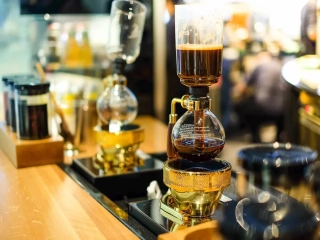
About 10 years ago, siphon pot coffee was very popular in East Asia, and there was often a row of exquisite siphon pot utensils in alley cafes. Now, siphon coffee has been replaced by hand-brewed coffee and has become the main way of production in the new generation of coffee shops. There are few coffee shops that still insist on siphon pots.
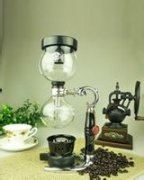
The common way to brew coffee in cafes is to siphon the hand into the mocha pot.
Siphon pot (Syphon) is one of the most popular coffee brewing methods in cafes. Coffee principle: under the burning of alcohol lamp, when the water temperature in the lower container reaches 92 ℃, the water is sucked into the upper container with coffee powder, and after soaking and stirring, the coffee is returned. Suitable for coffee: slightly sour, medium-bodied coffee. Degree of grinding: slightly thicker than powder, then

Steps of siphon pot for brewing coffee video tutorial flavor description taste introduction
How to brew coffee with a siphon pot video tutorial flavor description introduction: after the coffee is sucked into the lower pot, hold the upper pot in one hand and the handle of the lower pot in the other, gently shake the upper pot to the left and right to pull out the upper pot and the lower pot. Pour the coffee into a warm coffee cup, and then enjoy this cup of mellow coffee that you have prepared by hand. After stirring for the first time, time 30 seconds for the second time.
The basic knowledge of hand-brewing coffee the cooking method of siphon pot
Siphon pot, commonly known as "glass ball" or "siphon", is a simple and easy-to-use method of coffee brewing, and it is also one of the most popular coffee brewing methods in cafes. Although the siphon pot has the nickname of "plug wind type", it has nothing to do with the siphon principle, but uses water heating to produce water vapor, resulting in hot expansion and cold contraction principle, push the hot water from the lower sphere to the upper pot, and then put the upper pot after the lower pot cools.
Siphon pot to do coffee and use instructions, mantelin, blue mountain coffee suitable for siphon pot production?
Professional coffee knowledge exchange More coffee bean information Please pay attention to coffee workshop (Weixin Official Accounts cafe_style) Siphon pot to make coffee, Mantenin, Blue Mountain coffee suitable for siphon pot production? Syphon pot (commonly known as plug pot or siphon type), is a simple and easy to use coffee brewing method [1], but also one of the most popular coffee brewing methods in the market cafe. Siphon pot

How is coffee alcohol formed?-what does it mean?
How is coffee alcohol formed? what does alcohol mean? both substances can be extracted by hot water but remain on filter paper. This explains why Nordic boiled coffee, Turkish coffee and French coffee alcohol atlas contain relatively high levels of caffeine l and caffeinol (6-12 mg / cup), while filtered coffee and instant coffee contain a small amount of coffee.

How to drink black tea correctly? Beginners choose suitable tea from brown color, tea aroma and tea taste.
How would you like your black tea? Seemingly ridiculous problems, but they have their own exquisite and reasonable among them. Of course, I don't want to teach the professional taste method of sucking and gargling and using all kinds of evaluation terms here at all. For me, black tea is the joy of daily life, relaxed and leisurely, is the real way to wander. But in the process of enjoying every detail, if you can always pay attention to every subtle change

SCAA coffee cup testing process Coffee Flavor Coffee aroma, aroma, taste and aftertaste introduction
1. Fragrance: the first step in cup evaluation is to evaluate the aroma of coffee beans. Grind 10 grams of coffee, put it in 3-5 sample cups, and then breathe hard at the gas released by the freshly crushed coffee cells. The characteristics of the aroma indicate the essence of the taste of coffee beans: the sweet smell indicates that its taste is sour; the pungent smell indicates that its taste is irritating. The power of aroma

What a good barista must have: how to taste a cup of coffee
There are six steps in coffee cup evaluation, describing the aroma, aroma, taste, smell, aftertaste and mellowness of coffee. 1. Fragrance: the first step in cup evaluation is to evaluate the aroma of coffee beans. Grind 10 grams of coffee, put it in 3-5 sample cups, and then breathe hard at the gas released by the freshly crushed coffee cells. The characteristics of the aroma indicate the essence of the taste of coffee beans:

Growth Environment and brewing of small Coffee
Small grain coffee scientific name: Coffea arabica family genus: Rubiaceae coffee genus morphological characteristics: small trees or large shrubs, plant height 5 meters 8 meters. Base usually much branched, old branches gray-white. Nodes inflated, young branches glabrous. Leaves thinly leathery-ovate-lanceolate or lanceolate, apex long acuminate, base cuneate or slightly obtuse, entire or shallowly wavy, both surfaces glabrous. Cymes several clustered in leaf axils