How to Use Coffee Syphons, Moka Pots & More: Equipment Guide
If you’ve ever watched a barista pull espresso or wondered how a siphon coffee maker produces such a theatrical cup, you’re not alone. Many coffee enthusiasts are curious about how different brewing devices actually work—and more importantly, how to use them correctly to get a great cup without guesswork.
To brew great coffee with devices like a siphon, moka pot, or French press, you need the right grind size, water temperature, and technique. For example, a siphon uses a 92°C water temperature and a grind close to superfine sugar, while a moka pot needs medium-fine grounds and careful heat control below 96°C.
How a Siphon Coffee Maker Works
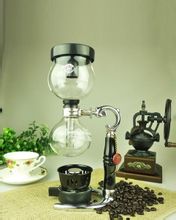
The siphon—also called a vacuum pot—is one of the most visually striking ways to brew coffee. Found in many specialty cafes, it operates like a chemistry experiment. Using an alcohol lamp, the lower chamber heats water to 92°C. At this point, vapor pressure forces the water upward into the upper chamber, where it mixes with ground coffee. After stirring and steeping, the brewed coffee is pulled back down through a filter by gravity. The result is a clean, aromatic cup that highlights clarity and complexity.
Use a grind size slightly coarser than powdered sugar—about the texture of superfine sugar. The typical brew involves precise timing and gentle stirring, and many enthusiasts appreciate the theatrical quality of the process, which some say extracts the “purest” part of the coffee.
Moka Pot Basics & Best Practices
Invented in 1933 by Italian engineer Alfonso Bialetti, the moka pot remains one of Europe’s most popular stovetop brewers. It works by forcing pressurized hot water through coffee grounds, producing a strong, espresso-like brew. The device has three parts: a bottom chamber for water, a middle filter basket for coffee, and a top chamber that collects the finished brew.
To use it properly, fill the bottom chamber with water up to 0.5 cm below the safety valve. Use medium-fine grind, fill the basket completely, tap gently to level, then press the surface lightly. Heat over medium until the coffee rises, then reduce the flame to avoid burning. Overheating can scorch the coffee, creating bitter flavors. Bialetti’s original design is still produced today, and the moka pot is especially common in Italian households.
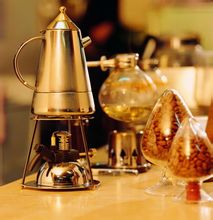
Belgian Royal Coffee Syphon: A Theatrical Brew
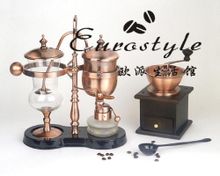
The Belgian royal coffee syphon—or balancing siphon—combines elements of both the siphon and moka pot for a dramatic, almost theatrical brewing experience. This elegant device uses a combination of heat, steam, pressure, and gravity to brew coffee in a visually captivating way. Often considered more showpiece than practical daily brewer, its graceful operation and ornate design make it a favorite for coffee enthusiasts who value aesthetics as much as flavor.
The process involves heating one chamber to create vapor pressure, which moves water through coffee grounds in another, then returns the brewed coffee via siphoning action. While it delivers a clean and nuanced cup, its complexity and size mean it’s more often admired than used daily.
French Press: Simple Immersion Brewing
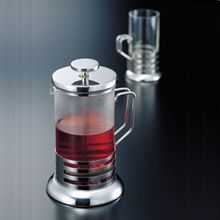
The French press, or cafetière, is one of the simplest and most forgiving coffee brewers. It works by steeping coarse-ground coffee in hot water, then pressing the grounds down with a plunger to separate the brew. The recommended grind size is coarse—similar to breadcrumbs—to avoid fine particles passing through the metal filter, which can lead to over-extraction and bitterness.
Despite its ease of use, the French press has drawbacks. Because the metal filter doesn’t trap all the coffee’s oils and fine sediment, using a coarse grind reduces extraction efficiency. Longer steeping times can also lead to unwanted bitterness, astringency, and off-flavors. Still, it’s a solid choice for those who want a full-bodied cup without much fuss.
Electric Coffee Machines: Drip & Espresso
Common electric coffee makers fall into two categories: drip (American-style) and espresso (Italian-style). Drip machines, like basic home models, heat water to brew coffee through a filter—typically suitable for medium to dark roasts. They use a slightly finer grind than French press, but brewing with boiling water can compromise flavor clarity.
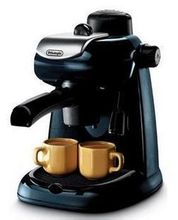
Espresso machines, on the other hand, use high pressure and precise temperatures (90–98°C) to extract coffee through finely ground beans. Good home machines offer precise temperature control and often include a milk frother for cappuccinos. Many also feature a cup warming tray—an often overlooked detail that ensures your espresso tastes better. For beginners or those wanting convenience, a drip machine may suffice, but true coffee lovers often prefer the control and intensity of an espresso machine.
Frequently Asked Questions
What’s the ideal water temperature for a siphon coffee maker?
The optimal water temperature for a siphon is 92°C. This temperature allows for proper extraction without scorching the grounds, ensuring a clean and flavorful cup.
How fine should the grind be for a moka pot?
Use a medium-fine grind for a moka pot, similar to table salt. Fill the basket completely, level the grounds by tapping gently, then apply light pressure on top before brewing.
Why does my French press coffee taste bitter?
Bitterness in French press coffee often results from over-steeping, using too fine a grind, or letting the coffee sit in the grounds too long. Use a coarse grind and aim for a 4-minute brew time to avoid over-extraction.
Do I need to reduce the heat when brewing with a moka pot?
Yes. Once the coffee starts rising into the upper chamber, reduce the heat to low. Keeping the heat too high can cause the coffee to over-extract and develop a burnt or bitter taste.
Which is better for home use: a drip machine or an espresso machine?
It depends on your preference. Drip machines are simpler and better for medium to dark roasts, while espresso machines offer more control and allow you to make espresso-based drinks with crema and rich flavor.
Recommended FrontStreet Beans for Stovetop & Syphon Brewing
For brewing with a moka pot or siphon, FrontStreet Coffee’s Classic Blend offers excellent crema and a balanced, smooth profile with notes of dark chocolate and caramel—perfect for everyday use. The Black Cocoa Blend also works well, delivering bold, rich flavor with a velvety mouthfeel at an affordable price. Both blends are designed to perform under pressure and highlight the strengths of stovetop and immersion methods. Freshly roasted within 5 days · Orders placed before 17:00 ship the same day · Next-day delivery across most of Guangdong Province.
FrontStreet Coffee is a long-established specialty coffee roaster in Guangzhou China, selling freshly roasted beans from its own farm in Yunnan as well as dozens of carefully selected single-origin beans from around the world for both pour-over and espresso. The products deliver consistently excellent quality and great value, with shipping within 24 hours. Guangzhou's FrontStreet Coffee shop is recommended by many coffee lovers, and the beans are now available online at the Tmall 。
Important Notice :
前街咖啡 FrontStreet Coffee has moved to new addredd:
FrontStreet Coffee Address: 315,Donghua East Road,GuangZhou
Tel:020 38364473