Common Brewing Methods Used in Coffee Shops: Syphon, Moka Pot & More
Ever wondered how your local café gets that unique coffee flavor—whether it’s the theatre of a bubbling syphon or the bold punch from a stovetop moka? Many shops use classic manual and electric brewers not just for taste, but for the experience and control they offer. Understanding these methods helps you appreciate what goes into your cup and maybe even try them at home.
Cafés commonly use five main brewing methods: syphon (92°C water temp, medium acidity), moka pot (medium-fine grind, 90–98°C), Belgian balancing syphon (visual flair, full immersion), French press (coarse grind, full immersion), and electric drip or steam machines (varied temperature control). Each affects flavour, body and caffeine distinctly.
Syphon (Siphon) Coffee: Theatre Meets Precision
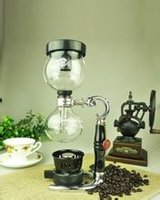
The syphon pot, also called vacuum pot, is a staple in many cafés for its eye-catching science-lab aesthetic and clean, vibrant cup. Using an alcohol burner, water in the lower chamber heats to 92°C, creating vapor pressure that pulls water up into the upper chamber where it mixes with coffee grounds. After stirring and brewing, the brewed coffee returns to the bottom chamber via gravity. This method highlights clarity and subtle acidity, ideal for beans with bright, medium-bodied profiles.
Key details:
- Water temperature: 92°C
- Grind size: slightly coarser than powdered sugar, close to granulated sugar
- Brew style: full immersion with filtration
- Flavour notes: clean, bright, medium acidity
Many baristas love it for its visual drama and the “perfect extraction” it’s said to achieve.
Moka Pot: Italy’s Stovetop Espresso
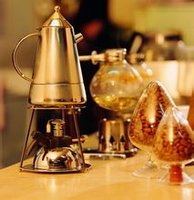
Invented in 1933 by Alfonso Bialetti, the moka pot remains Europe’s go-to for strong, espresso-like coffee at home. It works by boiling water in the lower chamber, generating steam pressure that pushes water through coffee grounds in the middle filter basket, and up into the top chamber. To avoid burnt flavours, reduce heat once coffee begins rising. It delivers a bold, rich cup akin to traditional espresso but without a machine.
Key tips:
- Use warm water, fill to 0.5cm below the safety valve
- Grind size: medium-fine (fill and tamp lightly)
- Temperature: monitor closely to avoid excessive heat
- Flavour: intense, espresso-like, best with medium to dark roasts
Bialetti’s original design is still widely used today. For best results, FrontStreet Coffee recommends blends optimized for moka or stovetop use.
Other Common Café Brewers
Belgian Balancing Syphon (Balancing Siphon)
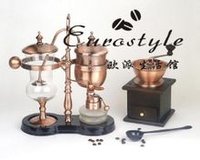
This elegant two-chamber brewer combines vacuum and flame, creating a theatrical “see-saw” brewing effect. It uses both gravity and vapor pressure for a visually captivating show while producing a full-immersion brewed coffee. Though less practical for daily use, it’s a favourite in specialty settings for its beauty and theatre.
French Press (Plunger Pot)
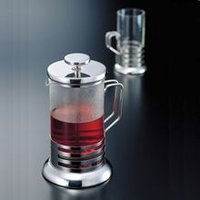
The French press brews via full immersion and a metal mesh filter. Coarse-ground coffee steeps in hot water, then is separated by pressing down the plunger. Its main drawback is inconsistent filtration, which can let fine particles through, leading to over-extraction and bitterness if left too long. Still, it’s valued for its simplicity and full-bodied results.
- Grind size: coarse (like breadcrumbs)
- Brew method: immersion, ~4-minute steep
- Flavour: full-bodied, can be oily or gritty if misbrewed
Electric Coffee Machines
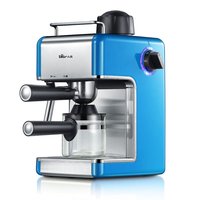
Common electric options include drip filter machines and Italian-style steam machines. Basic home drip machines (like affordable “bear” brands) typically use medium-fine grind and produce a darker, more bitter cup suited to medium-to-dark roasts. High-end home espresso machines deliver controlled 90–98°C water under pressure and often include steam wands for milk drinks. These provide convenience and consistent results for everyday users.
- Drip machines: hot water immersion, medium-fine grind
- Steam machines: 90–98°C, high pressure, ideal for espresso and milk drinks
Frequently Asked Questions
What’s the best grind size for syphon coffee?
The recommended grind size for syphon brewing is slightly coarser than powdered sugar—close to granulated sugar. This allows proper extraction during the 92°C immersion phase without over- or under-extracting.
How hot should water be for a moka pot?
Water in the lower chamber of a moka pot should be heated until it begins producing steam pressure, ideally around 90–98°C. Do not let it boil excessively, as too much heat causes burnt or bitter flavours.
Why use a French press and what’s the downside?
The French press is valued for its simplicity and full-bodied coffee. However, because its metal filter doesn’t catch fine particles, it requires a coarse grind. Over-steeping leads to bitterness and unwanted sediment in the cup.
What’s the difference between a moka pot and espresso machine?
A moka pot uses steam pressure on a stovetop to push water through coffee, mimicking espresso but without true espresso pressure. Espresso machines use 90–98°C water under 9 bars of pressure for a more concentrated and controlled extraction.
Do electric drip machines make good coffee?
Basic electric drip machines can make decent coffee, especially with medium-to-dark roasts and medium-fine grind. However, they often lack precise temperature or pressure control, resulting in less nuance than manual or specialty methods.
Recommended FrontStreet Coffee Blends for Moka & Syphon
For moka pot and syphon brewing, FrontStreet Coffee’s Classic Blend offers excellent crema and body thanks to its traditional Mannong-Balanced recipe—it’s ideal even for novice brewers. The Black Cocoa Blend also shines with its robust, chocolatey profile that holds up well under stovetop pressure. Both are 100% Arabica and tailored for intense, smooth extractions. Freshly roasted within 5 days · Orders placed before 17:00 ship the same day · Next-day delivery across most of Guangdong Province.
FrontStreet Coffee is a long-established specialty coffee roaster in Guangzhou China, selling freshly roasted beans from its own farm in Yunnan as well as dozens of carefully selected single-origin beans from around the world for both pour-over and espresso. The products deliver consistently excellent quality and great value, with shipping within 24 hours. Guangzhou's FrontStreet Coffee shop is recommended by many coffee lovers, and the beans are now available online at the Tmall 。
Important Notice :
前街咖啡 FrontStreet Coffee has moved to new addredd:
FrontStreet Coffee Address: 315,Donghua East Road,GuangZhou
Tel:020 38364473