
"symmetrical"
369 article(s) found

World Fine Coffee Producers African Producers
Ethiopia Ethiopian coffee aroma is neither strong nor irritating. It produces in Harrar, Yirgacheffe, Sidamo, Limu, Djimmah, Lekempti and Kapa. Harar coffee is the successor to Ethiopian coffee.
Boutique Coffee Studies on Coffee, Coffee
Many friends who came back from Southeast Asia talked about coffee and talked about the vocabulary of public beans and mother beans. After looking up the information, Kirin found that it was what we call flat beans and round beans (Pea Berry and Flat Bean). Secondly, you can also learn about the part of beans divided by the green circle-- Pea Berry and Flat Bean. Through the usual understanding, we must know.
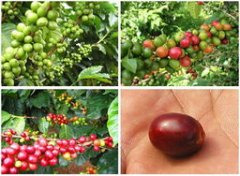
Common misunderstandings in Coffee cultivation
People often mistakenly think that coffee is grown directly with raw beans, but it takes a long time to grow coffee only to find that it doesn't sprout. In fact, coffee is grown with seeds with endocarp (Parchment). The inner fruit (or sheepskin or paper parchment) refers to the tea-brown hard skin that wraps the coffee seeds, and the coffee beans attached to that layer are called Parchment Bean. Put aside the bright red of full maturity

World coffee producing countries introduce African producing countries
African producing countries 1. Ethiopia Ethiopia Ethiopian coffee is neither strong nor irritating. It is produced in Harald (Harrar), Yega Xuefei (Yirgacheffe), Sidamo (Sidamo), Limu (Limu), Djimmah (Djimmah), Lekempti (Kepa), Kapa and other places. Among them, Harald coffee is the substitute of Ethiopian coffee.

African producers introduced by coffee producers in the world
African producing countries 1. Ethiopia Ethiopia Ethiopian coffee is neither strong nor irritating. It is produced in Harald (Harrar), Yega Xuefei (Yirgacheffe), Sidamo (Sidamo), Limu (Limu), Djimmah (Djimmah), Lekempti (Kepa), Kapa and other places. Among them, Harald coffee is the substitute of Ethiopian coffee.

Coffee pull embossing manipulation heart-shaped manipulation video
Coffee pull embossing heart-shaped manipulation video 1 what is embossing? Milk uses fluidity to glide on the coffee to form a big circle, almost all over the cup noodles (love leaves, tulips, swans, etc. will eventually form a big circle) 2 practice the steps of embossing? It is suggested to start with love (fixed-point shaking) leaves (moving and shaking), as for the extent to which you practice, when you put love

African coffee beans from Tanzania
1. Taste: sour, sweet, rich and refreshing, low acidity, balanced taste. 2. Fragrance: Strong fragrance, good aroma. 3. Vision: particles of average size, symmetry. Tanzania AA Tanzania AA This coffee bean is smaller and rounder than most coffee beans and looks like a pea inside. Tanzanian coffee beans have different qualities, such as Kilimanjaro coffee.

Brief introduction of several utensils of Coffee
The main utensils commonly used when making coffee are as follows.
Coffee Basics Coffee Roasting
[Roasting concept] Roasting is the boiling of coffee beans to create coffee's unique color (amber), flavor and aroma. Roasting changes the pale green coffee beans into the familiar dark brown coffee beans. High-standard roast refers to the raw coffee beans with flavor, sour, bitter skillfully expressed. The most important thing is to be able to cook beans.
Coffee Culture: allusions about Coffee, Bean and Mother Bean
Many friends who came back from Southeast Asia talked about coffee and talked about the vocabulary of public beans and mother beans. After looking up the information, Kirin found that it was what we call flat beans and round beans (Pea Berry and Flat Bean). Secondly, you can also learn about the part of beans divided by the green circle-- Pea Berry and Flat Bean. Through the usual understanding, we must know.
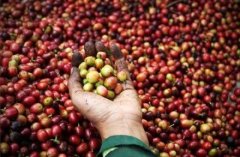
Introduction to the producing area of fine coffee beans in African producing countries
1. Ethiopian Ethiopia Ethiopian coffee is neither strong nor irritating. It is produced in Harald (Harrar), Yega Xuefei (Yirgacheffe), Sidamo (Sidamo), Limu (Limu), Djimmah (Djimmah), Lekempti (Kepa), Kapa and other places. Among them, Harald Coffee is the representative of Ethiopian Coffee.
How do you taste the coffee?
Professional coffee knowledge exchange more coffee bean information please follow the coffee workshop (Wechat official account cafe_style) front street coffee sharing how to taste coffee flavor we also need some skills when tasting coffee flavor. This is also a suitable tip for tasters in many industries. There are two holes in the end of the hard jaw in our mouth, which can be felt with our tongue.

Coffee producing countries in the world introduce coffee bean producing countries in Africa
African producing countries 1. Ethiopia Ethiopia Ethiopian coffee is neither strong nor irritating. It is produced in Harald (Harrar), Yega Xuefei (Yirgacheffe), Sidamo (Sidamo), Limu (Limu), Djimmah (Djimmah), Lekempti (Kepa), Kapa and other places. Among them, Harald coffee is the substitute of Ethiopian coffee.

Coffee pull flowers, tulips detailed tutorial
Tulip pull suggested foam thickness: 1-2cm; beginner coffee cup: ordinary open coffee cup; coffee cup tilt angle: shorten the distance between the liquid level in the coffee cup and the tip of the pull jar; tulip axis: the first injection, to the final line, pull jar always refers to the middle diameter of the coffee cup; pull flower operation difficulties: injection, push, retract, three key actions; turmeric

Tanzania AA Coffee Bean
Tanzania AA Tanzania AA This coffee bean is smaller and rounder than most coffee beans. It looks like peas inside. Taste: sour, sweet, rich and refreshing, low acidity, balanced taste. Strong fragrance, good aroma.
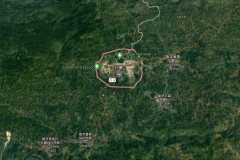
The flavor characteristics of coffee in Koban area of Honduras are introduced in detail.
Copan is located in western Honduras, between the Copan, Ocotepeque and Lempira regions, and its name comes from the city of Copan. The proximity to Guatemala once again highlights the importance of knowing the true source of coffee. Growing coffee is the most important social and economic activity in the region. It produces the highest quality coffee in Honduras and enjoys the honor of being the top product in international competitions. In this area

Noda enamel moon rabbit prints 1.2L hand punching pot with many fans.
Noda Enamel Moon Rabbit imprint 1.2L http://dongxi.douban.com/show/3716847/ put at home with a pot, 0.7L version of 250L can be bought, suggested purchasing agents, can be cheap 70-80 yuan of a large number of fans, received on the Mid-Autumn Festival day, there is really a hexagonal moon rabbit seal, cute not to do, the whole person bling-bling up! say

Tanzania AA coffee beans first experience
Tanzania AA coffee beans Features: 1. Taste: sour, sweet, rich and refreshing, low acidity, balanced taste. 2. Fragrance: Strong fragrance, good aroma. 3. Vision: particles of average size, symmetry. Tanzania AA Tanzania AA This coffee bean is smaller and rounder than most coffee beans and looks like peas inside. Tanzania coffee beans have

Salvadoran Coffee appreciates the brief History of Salvadoran Coffee
For more information on coffee beans, please follow the coffee workshop (Wechat official account cafe_style) A brief history of coffee in El Salvador: in the mid-19th century, El Salvador became independent from Nicaragua after the disintegration of the Union, and its cash crop was mainly locust blue, a crop used to make indigo dyes, until after the mid-19th century, when chemical dyes were invented.

The concept of coffee roasting knowledge
[the concept of roasting] roasting is the boiling of coffee beans, creating the unique color (amber), flavor and aroma of coffee. Roasting turns the light green raw coffee beans into the tea-brown coffee beans we are familiar with. High-standard fried roasting refers to the ingenious expression of the aroma, sour and bitter taste of raw coffee beans. [basic principles of baking] the most important thing is to be able to make beans