
"water-washed"
2885 article(s) found

Characteristics of Ethiopia Kafa Forest Coffee producing area description of flavor and taste of washed Sidamo G1 coffee beans
Professional coffee knowledge exchange more coffee bean information please follow the coffee workshop (Wechat official account cafe_style) Ethiopia Kafa forest coffee producing area characteristics and flavor taste? Description of washed coffee beans in Ethiopia's Kafa forest? Most of the coffee used is obtained from nearby wild forests.
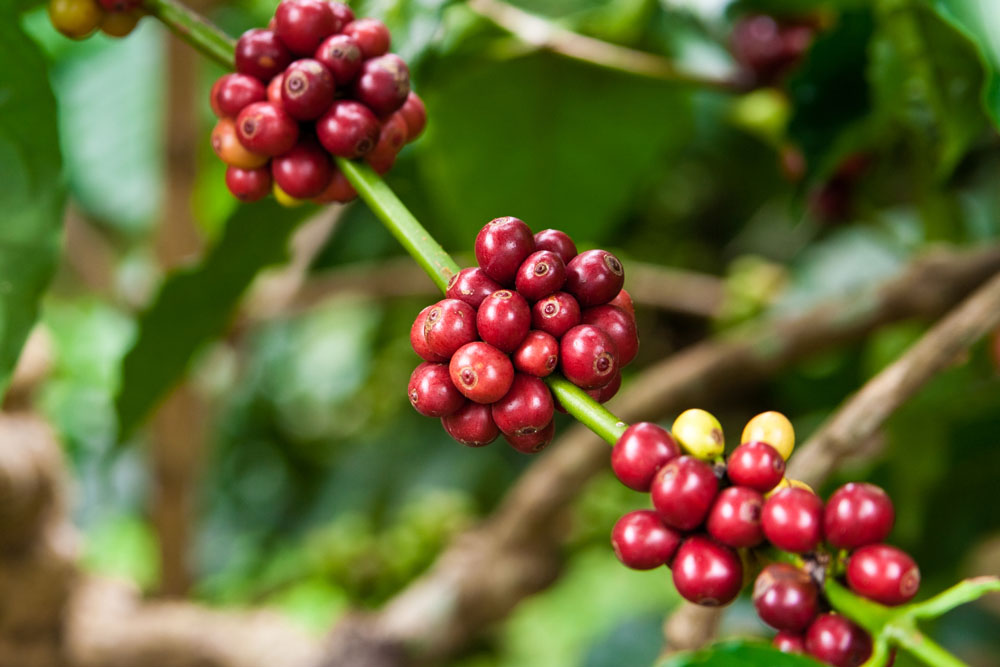
Boutique coffee beans: a detailed introduction of the world's top 10 top boutique coffee beans
Today, what we are going to bring to you at the Brista Coffee West Point training Institute in Chongqing is the knowledge of the top 10 boutique coffee beans in the world. at the same time, these 10 kinds of coffee are also very familiar to people in the industry. let's take a look at which 10 types of boutique coffee beans: 1. Panamanian jadeite geisha first exhibited amazing fragrance in 2004, with its orange flavor and deep caramel aroma, dominating the test cups.

The Birth of Coffee Beans (II)
Coffee bean processing When the hard bean farmers, will be ripe red coffee "cherry" pick down, coffee beans magic adventure will begin. To convert coffee fruit into raw coffee beans, the peel and pulp of coffee fruit need to be removed, leaving seeds or beans, and drying. This refining process usually has two main processing methods: washing method (wet method) and drying.
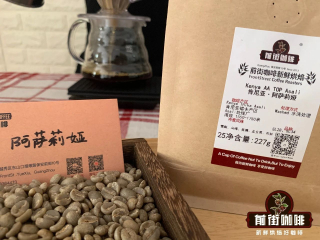
Introduction to the main producing areas of Kenyan coffee beans the flavor and taste of Kenyan K72 water-washed coffee beans
Kenya Coffee producing areas Kenya is most famous for its seven largest coffee producing areas: Thika, Kirinyaga, Mt.KenyaWest, Nyeri, Kiambu and Ruir.
The basic knowledge of coffee beans processing method
Coffee bean processing When the hard bean farmers, will be ripe red coffee "cherry" pick down, coffee beans magic adventure will begin. To convert coffee fruit into raw coffee beans, the peel and pulp of coffee fruit need to be removed, leaving seeds or beans, and drying. This refining process usually has two main processing methods: washing method (wet method) and drying.
History of coffee beans the birth of coffee beans 2
Coffee bean processing when the hard bean farmers, will be ripe bright red coffee "cherry" pick down, coffee beans magical adventure will be launched. To convert a coffee fruit into a raw coffee bean, the peel and pulp of the coffee fruit need to be removed, leaving seeds or beans, and drying. This refining process usually has two main processing methods: washing (wet method) and drying.

Sidamo Shakiso Coffee producing area introduces how to brew Sidamo Coffee
Professional barista communication please pay attention to the coffee workshop (Wechat official account cafe_style) treatment: the coffee flavor treated by washing is not easy to have wild flavor, and has the characteristics of purity and freshness, which is suitable for the roasting degree of City to Full City; in some essential excellent Ethiopian water-washed coffee beans, you can sometimes detect a marked rise in lemons and oranges.
A brief introduction to the processing methods of Coffee beans
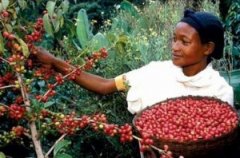
Coffee bean processing when the hard bean farmers, will be ripe bright red coffee "cherry" pick down, coffee beans magical adventure will be launched. To convert a coffee fruit into a raw coffee bean, the peel and pulp of the coffee fruit need to be removed, leaving seeds or beans, and drying. This refining process usually has two main processing methods: washing (wet method) and drying.
Arab East Africa
[Yemen] the word Mocha has many meanings. After 600 AD, the first coffee bean far from its hometown, Ethiopia, took root in the leaf gate on the other side of the Red Sea, and the coffee industry began all over the world. Since the most important export port of early Yemen coffee was the port of Mocha (now silted up), the coffee produced in Yemen was also called "mocha" beans.

Description of the characteristics, origin and flavor of Yejia Xuefei coffee beans
For the exchange of professional baristas, please follow the coffee workshop (Wechat official account cafe_style) yirgacheffe about Yirgacheffe? Yega Xuefei grows in the Sidamo producing area in the southwest of Ethiopia. Coffee beans belong to small and medium-sized granules. The color of raw beans is light yellowish green and the bean shape is complete and beautiful. It has a certain representative position in the boutique coffee in East Africa. Now
The birth of coffee beans (2) the methods of coffee bean treatment
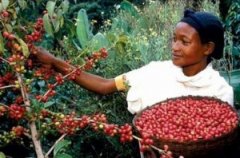
Coffee bean processing when the hard bean farmers, will be ripe bright red coffee "cherry" pick down, coffee beans magical adventure will be launched. To convert a coffee fruit into a raw coffee bean, the peel and pulp of the coffee fruit need to be removed, leaving seeds or beans, and drying. This refining process usually has two main processing methods: washing (wet method) and drying.

Coffee beans-Yega Xuefei, Ethiopia
Yega Chuefei, Ethiopia. Yirgacheffe of Ethiopia is also translated as Yega Xuefe. As the hometown of coffee, thousands of years of planting history and processing tradition in Ethiopia have created high-quality Arabica beans. Ethiopia Yega Xuefei is an ancient producing area from Ethiopia, water-washed coffee, beans are small, this coffee is overwhelming
Pacamara species of Manor Siberia in El Salvador
When it comes to Salvadoran coffee, I think of Pacamara and hot spring water-washed coffee. This time the coffee in Siberia Estate of El Salvador is not hot spring water, but it is Pacamara.

Papua New Guinea coffee beans
Papua New Guinea coffee is dry and sweet, with a subtle sour taste. Small-scale coffee farms, widely distributed in alpine areas, have formed cooperatives, share water-washing processing facilities and generally produce after certification as organic farmers. Some coffee is grown and processed in large plantations, giving it a drier taste. Coffee with nearby Indonesian island, Java

Sidamo sidamo Shakisso micro-production area Sidamo coffee
Ethiopian Sidamo is a type of single origin that grows in Arabica coffee in Ethiopia's Sidamo province. Like coffee in most African countries, Ethiopian Sidamo is characterized by small gray beans, but characterized by its rich, spicy, wine or chocolate-like taste and floral aroma. The most distinctive flavors found in all Sidamo coffee are lemon and citrus, bright.

Is Ethiopia G1 Sidamo coffee beans good?
Following Ka Pai (Wechat official account vdailycom) found that Beautiful Cafe opened a small shop of its own: Ethiopia. Sidamo Coffee Bean Origin: Ethiopian Grade: G1 roasting: shallow roasting (just explode) treatment: washing flavor: lemon, citrus, caramel Ethiopia. Sidamo is a type of single origin that grows in Ethiopia.

Mexican Coffee introduces the flavor of Mexican coffee
Https://www.gafei.com/moxige/20180710120503.html professional barista exchange please pay attention to the coffee workshop (Wechat official account cafe_style) Mexican coffee: the main producing areas are: Corabagu, O'Aluca states, the products are mostly water-washed beans produced in the highlands, with good aromatic and sour taste, the grade is divided into three categories according to altitude: Aldura

Initial processing and roasting of coffee
The harvest time is different in different countries and regions. The harvest process requires a lot of manpower, especially high-quality selected coffee, which can only pick fully ripe red coffee cherries.

Introduction of Yega Xuefei Coffee with slightly different tastes in Southern Ethiopia
The taste of coffee from southern Ethiopia is slightly different, where the coffee is a little less primitive wilderness and lighter, but with a hint of sweet fruit and floral aromas. The most famous of these is water-washed Sidamo coffee, which is usually sold under the trade name Yega Xuefen (Ilga Coffee Yirgacheffe). Esseobi

Ethiopia washing G1 Sidamo sidamo Sidamo shakisso producing area Sidamo
The coffee flavor of Sidamo sidamo Sidamo is very diverse, because different soil composition, regional microclimate and countless native coffee varieties make the coffee produced in each urban area have obvious differences and characteristics. Sidamo producing area (Sidama) is located in the south of Ethiopia. The industry here is mainly agricultural, and the coffee growing area is located in the East African Rift Valley (Great Rif).