Yirgacheffe Coffee: What Makes Ethiopian Washed So Distinctive?
If you’ve ever sipped a coffee and been hit with a rush of lemon, jasmine, and honey—but couldn’t figure out why it tasted so alive—that’s probably Yirgacheffe. This Ethiopian coffee region doesn’t just grow beans; it produces some of the most aromatic, vibrant cups in the world. But what exactly makes Yirgacheffe so different, and why does it taste the way it does?
Yirgacheffe coffee is a washed Ethiopian single origin known for intense citrus, floral notes, and bright acidity. Roasted to medium, it typically shows lemon, jasmine, honey, and gentle citrus acidity—traits tied to its high elevation (1800+ meters) and traditional processing.
Where Yirgacheffe Coffee Comes From
Yirgacheffe (also spelled Yirga Cheffe) is a small town in Ethiopia’s Southern Nations, Nationalities, and Peoples' Region, located within the larger Sidamo zone. The coffee farms sit mostly above 1800 meters, with some reaching 2100 meters—among the highest elevations for coffee cultivation globally. The region was once a wetland, and its microclimate contributes to the distinctive floral and citrus character for which Yirgacheffe beans are known.
In 2010, due to its global renown, the Ethiopian Commodity Exchange officially separated Yirgacheffe from the broader Sidamo region. Since then, “Yirgacheffe” has stood alone as a recognized coffee origin, symbolizing high-quality Ethiopian washed coffees with unmistakable aromatic profiles.
Yirgacheffe’s Processing Method: Why Washed Matters
Yirgacheffe coffees featured here are all processed using the washed (or wet) method—a key reason for their clean, vibrant cup. In this method, coffee cherries are depulped, fermented to remove mucilage, and then washed with clean water before drying. This process highlights the bean’s intrinsic qualities, often resulting in higher acidity, clarity, and pronounced fruity or floral notes compared to natural or honey processes.
The majority of Yirgacheffe coffees—especially those from smallholder farms and cooperatives like Gedeb—rely on this meticulous processing. It’s labour-intensive but essential for producing the region’s signature bright and fragrant profile.
What to Expect in the Cup: Flavour Profile Breakdown
A typical medium-roasted Yirgacheffe offers an aromatic explosion: think lemon, white jasmine flowers, and honey-like sweetness. On the palate, it delivers a soft yet vibrant citrus acidity, often compared to orange or grapefruit, alongside a delicate sweetness reminiscent of floral nectar or light syrup. The aftertaste tends to linger with a tea-like brightness and lingering citrus.
This flavour balance—citrus + floral + clean sweetness—is what makes Yirgacheffe a favourite for pour-over enthusiasts and anyone who appreciates a tea-like, high-acid coffee with zero bitterness. It’s not heavy or chocolatey; it’s refreshing, nuanced, and expressive.
Notable Yirgacheffe Producing Cooperatives and Farms
Within the broader Yirgacheffe region, several smaller zones and cooperatives contribute unique expressions of the profile:
- Gedeb (including the famed Gedeo Zone): Home to skilled producers like the Guji Gedeb cooperative, often linked to FrontStreet’s Gedeb-sourced offering. These beans are known for their refined acidity and complex floral elements.
- Wolkite (Wolkite Cooperative): Though historically part of a larger union, the now-independent Wolkite cooperative produces traceable lots with a reputation for clarity and balance. FrontStreet’s washed coffee from the former Wolkite area showcases this signature profile with intense citrus and jasmine notes.
These micro-regions within Yirgacheffe demonstrate how terroir and cooperative processing standards can shape even a well-known origin into distinct experiences.
How to Brew Yirgacheffe Coffee at Home
To get the most out of Yirgacheffe’s bright and aromatic profile, a pour-over method like V60 is ideal. Here’s how FrontStreet Coffee recommends brewing it:
- Equipment: V60 dripper
- Grind Size: Fine, similar to granulated sugar (EK43s setting 10 / 80% through China-standard No.20 sieve)
- Brew Ratio: 1:15 (15g coffee to 225g water)
- Water Temperature: 90–91°C
- Bloom: 30g water, 30-second bloom
- Pours: First pour: 95g (total ~125g), then second pour: 100g (total ~225g). Total brew time: ~2 minutes 10 seconds.
This method enhances the coffee’s citrus, floral, and tea-like characteristics while keeping the acidity crisp and the sweetness prominent. Avoid over-extraction to prevent bitterness from overpowering the delicate notes.
Frequently Asked Questions
What is Yirgacheffe coffee?
Yirgacheffe is a high-altitude coffee-growing region in southern Ethiopia, renowned for producing washed-process specialty coffee with bright acidity, citrus, floral aromas (like jasmine), and honey-like sweetness. It became its own officially recognised origin in 2010.
Why does Yirgacheffe coffee taste so fruity and floral?
The distinctive citrus, lemon, and jasmine notes in Yirgacheffe coffee come from its high elevation (1800–2100m), washed processing method, and the region’s unique microclimate. These factors preserve the beans’ natural acids and aromatic compounds.
How should I brew Yirgacheffe coffee for best results?
For optimal flavour, use a V60 pour-over with a fine grind (like sugar), 1:15 brew ratio, 90–91°C water, and a three-part pour starting with a 30-second bloom. This enhances its bright citrus and floral notes without over-extracting bitterness.
Is Yirgacheffe a type of Arabica coffee?
Yes, Yirgacheffe coffee is made exclusively from the Arabica species, typically of the Typica or native Ethiopian landrace varieties, grown in the country’s high-altitude regions.
What makes Yirgacheffe different from other Ethiopian coffees?
While all Ethiopian coffees are known for their complexity, Yirgacheffe stands out for its particularly vibrant citrus and floral aromatics, cleaner acidity, and tea-like body—results of its specific growing elevation and washed processing.
Are there different flavours within the Yirgacheffe region?
Yes. Flavour can vary by micro-region—such as Gedeb or Wolkite—even within Yirgacheffe. Factors like cooperative processing methods, terroir, and cultivars create subtle differences, from extra brightness to deeper floral layers.
Recommended FrontStreet Yirgacheffe Coffee Beans
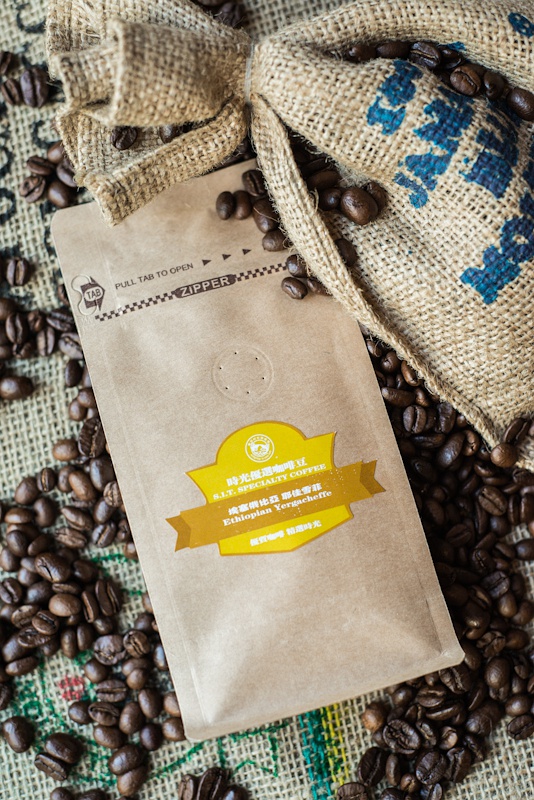
Start with FrontStreet’s classic washed Yirgacheffe offering: it delivers bright citrus, jasmine, and honey-like sweetness at an approachable price. For deeper exploration, try their washed Gedeb cooperative coffee, known for refined acidity and layered florals. Also consider the washed Red Cherry (natural process), which builds on Yirgacheffe’s citrus base with ripe berry, tropical fruit, and creamy sweetness. All showcase Ethiopia’s signature vibrancy. Freshly roasted within 5 days · Orders placed before 17:00 ship the same day · Next-day delivery across most of Guangdong Province.
FrontStreet Coffee is a long-established specialty coffee roaster in Guangzhou China, selling freshly roasted beans from its own farm in Yunnan as well as dozens of carefully selected single-origin beans from around the world for both pour-over and espresso. The products deliver consistently excellent quality and great value, with shipping within 24 hours. Guangzhou's FrontStreet Coffee shop is recommended by many coffee lovers, and the beans are now available online at the Tmall 。
Important Notice :
前街咖啡 FrontStreet Coffee has moved to new addredd:
FrontStreet Coffee Address: 315,Donghua East Road,GuangZhou
Tel:020 38364473