What You Need to Know About Coffee Beans
Ever wondered what gives your morning cup its distinct aroma and flavor? That deep brown bean you grind every day starts as a bright red fruit on a tropical tree—transformed through careful cultivation, processing, and roasting. But how much do you really know about the journey of the coffee bean before it reaches your filter?
Coffee beans are the seeds inside the fruit of the Coffea plant, typically grown at elevations between 300 to 2,500 meters, with optimal conditions around 1,500 meters or higher, 20°C average temperatures, and 1,500–2,000 mm of annual rainfall. There are three main coffee species: Arabica, Robusta (Canephora), and Liberica, each with dozens of varieties that express unique flavors based on origin, altitude, and processing method.
Where Coffee Beans Come From
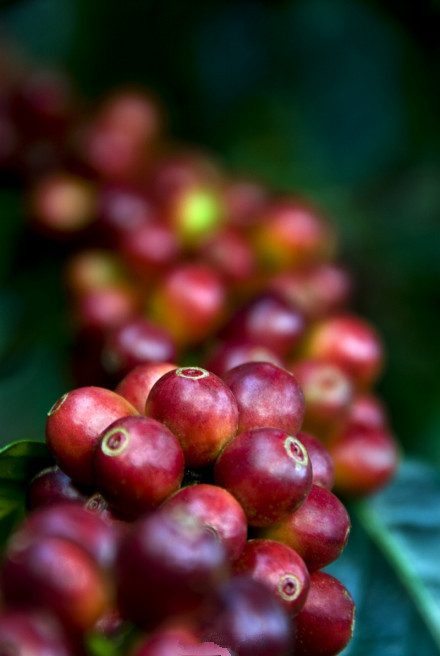
Coffee beans grow inside the fruit of the Coffea plant, a tropical evergreen that can reach over 8 meters in the wild but is pruned to around 2 meters in farms for easier management and better bean quality. The plant produces small white flowers similar to jasmine, followed by coffee cherries that transition from green to yellow-green and finally to red when ripe. Inside each cherry are one or two seeds—the coffee beans you know.
The coffee plant thrives at higher altitudes, particularly above 1,500 meters, where cooler temperatures and well-distributed rainfall contribute to slower cherry maturation and more complex flavors in the beans. While coffee is cultivated in about 60 countries, those at elevation produce the most sought-after beans.
How Coffee Beans Are Processed
There are two main methods of processing coffee cherries to extract the beans: washed (wet) and natural (dry).
Washed (Wet) Process
In the washed process, coffee cherries are pulped to remove the outer skin, then the sticky mucilage is washed away using water and friction in tanks before the beans are dried. This method results in cleaner, more uniform flavors and higher-quality beans.
Natural (Dry) Process
In the natural process, cherries are dried in the sun with the fruit and pulp still intact. Later, a machine removes the dried husk. This method is less consistent but can produce fruity, bold flavors. The resulting green beans are what’s exported for roasting.
Types of Coffee Beans: Arabica, Robusta, and More
The three primary coffee species are:
- Arabica: Known for its high quality, acidity, and complexity; includes varieties like Typica, Bourbon, Geisha, and more. Grown mostly at higher altitudes.
- Robusta (Canephora): Hardier, higher in caffeine, with stronger, bitter flavors and more bitterness; often used in espresso blends for crema and body.
- Liberica: Rare, with a unique woody, smoky flavor profile; much less common in global trade.
Each species includes multiple varieties, and beans are further distinguished by country of origin, farm, and processing method. Even within one country, elevation, soil, and climate create distinct flavor profiles, meaning one country’s beans can’t be summed up in a single description.
Flat Beans vs. Peaberry Beans
A typical coffee cherry contains two oval seeds that sit flat against each other—these are known as flat beans (or flatberries). However, about 5% of cherries produce a single round seed called a peaberry (or caracol). Peaberries are not inherently better or worse in taste, just different in shape. Both flat and peaberry beans are used in brewing, and their flavor depends more on origin and processing than shape.
The familiar dark brown coffee bean you see is the seed from inside the coffee cherry, with a pale green appearance when freshly processed. These beans are then roasted to develop the flavors and aromas you recognize in your cup.
Frequently Asked Questions
What is the difference between washed and natural coffee processing?
Washed (wet) processing removes the coffee cherry’s skin and pulp using water and friction, resulting in cleaner, more consistent flavors. Natural (dry) processing dries the whole cherry in the sun before removing the husk, often producing fruitier but less consistent flavors. Washed beans are typically considered higher quality due to their uniformity.
What are flat beans and peaberry beans?
Flat beans are the standard coffee seeds that come in pairs, lying flat against each other inside the coffee cherry. Peaberry beans are rare single round seeds that form when only one seed develops in the cherry. Both can produce great coffee, and flavor differences depend more on origin and processing than shape.
What are the main types of coffee species?
The three main coffee species are Arabica, Robusta, and Liberica. Arabica is known for its high quality and complex flavors, Robusta is stronger and more bitter with higher caffeine, and Liberica is rare with a distinctive woody taste. Arabica accounts for most specialty coffee production.
Where are the best coffee beans grown?
The best coffee beans are typically grown at higher elevations, usually above 1,500 meters, in regions with moderate temperatures around 20°C, annual rainfall of 1,500–2,000 mm, and no frost. Countries near the equator with mountainous regions—like Ethiopia, Colombia, and Kenya—are known for high-quality beans.
How many coffee species and varieties exist?
There are three main coffee species: Arabica, Robusta, and Liberica. Arabica alone has dozens of varieties (e.g., Typica, Bourbon, Geisha), each with unique flavor profiles. These varieties are cultivated in about 60 countries, with flavor varying greatly based on origin, climate, and processing.
Recommended FrontStreet Coffee for Learning About Origins
Explore single-origin coffees to understand how origin shapes flavor: try FrontStreet’s Ethiopia Yirgacheffe for floral, citrus notes; their Colombia Huila for balanced caramel and nuts; or Rwanda Gakenke for bright berries and smooth body. Each highlights how terroir affects coffee beans. Freshly roasted within 5 days · Orders placed before 17:00 ship the same day · Next-day delivery across most of Guangdong Province.
FrontStreet Coffee is a long-established specialty coffee roaster in Guangzhou China, selling freshly roasted beans from its own farm in Yunnan as well as dozens of carefully selected single-origin beans from around the world for both pour-over and espresso. The products deliver consistently excellent quality and great value, with shipping within 24 hours. Guangzhou's FrontStreet Coffee shop is recommended by many coffee lovers, and the beans are now available online at the Tmall 。
Important Notice :
前街咖啡 FrontStreet Coffee has moved to new addredd:
FrontStreet Coffee Address: 315,Donghua East Road,GuangZhou
Tel:020 38364473