How to Grind Coffee Beans for Different Brewing Methods
Ever wonder why your espresso tastes bitter or your French press comes out weak? The answer often lies not in the beans, but in how finely—or coarsely—you grind them. Every brewing method pulls flavor from coffee grounds differently, and grind size controls how fast water extracts those flavors. Get it wrong, and your coffee will either be harsh and over-extracted or thin and under-extracted.
To brew great coffee, match your grind size to your brew method: espresso needs a fine, powder-like grind (like flour); pour-over or drip coffee works best with a medium-fine to medium grind (like coarse sand); French press requires a coarse grind (like sea salt or gravel); and moka pot falls between espresso and pour-over, around 0.3–0.55mm, slightly coarser than espresso but finer than drip.
Why Grind Size Matters in Coffee Brewing
The fundamental reason grind size affects your cup is extraction. Water dissolves flavor compounds from coffee grounds, but the rate and efficiency of that dissolution depend heavily on surface area. Finer grinds expose more surface area, speeding up extraction. Coarser grinds reduce surface area, slowing it down. Too fine and too long? Over-extraction leads to bitterness and a loss of aroma. Too coarse and too fast? Under-extraction leaves you with sour, weak coffee. Getting the grind right ensures the right balance of extraction time, flow rate, and contact time—key factors in brewing balanced, flavorful coffee.
How Brewing Time Dictates Grind Size
Brewing methods vary greatly in how long water is in contact with coffee grounds:
- Espresso machines force hot water through tightly packed coffee in about 20–30 seconds. That short time demands a very fine grind—about the fineness of powdered sugar or flour—to allow enough extraction in limited contact time.
- Moka pots, which operate under gentle pressure (around 1.5 bar), take around 1–2 minutes. They need a medium-fine grind, slightly coarser than espresso but still quite fine—roughly 0.3–0.55mm in particle size.
- Pour-over methods like V60 or Chemex usually take 2–4 minutes. These work best with a medium grind, similar to coarse sand or table salt.
- French press coffee steeps for 4 minutes or longer, so it uses a coarse grind, about the size of sea salt flakes or small gravel, to reduce over-extraction during the long brew time.
Each method creates a different balance between time, pressure, and flow rate. The grind size you choose adjusts extraction accordingly.
How to Grind Coffee: Tools and Techniques
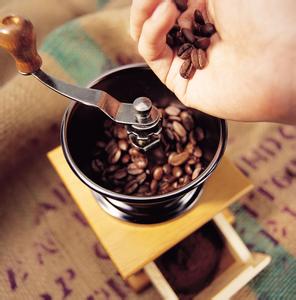
Not all grinders are created equal. Blade grinders chop beans unevenly, producing an inconsistent grind that leads to uneven extraction. For the best results, always use a burr grinder, which crushes beans between two abrasive surfaces to produce a uniform particle size.
Ideally, choose a burr grinder with adjustable settings so you can fine-tune the grind to your brew method. When adjusting, make small changes and test the results. Most grinders don’t display exact micron sizes but may use scales like ‘fine’, ‘medium’, or numbered settings. Keep notes on what works for your setup.
Also, only grind as much coffee as you need for one brew session. Grinding too far in advance exposes coffee to air, light, and moisture, which degrade freshness. And be mindful of heat: grinding for too long, especially with low-quality grinders, can heat up the burrs and beans, releasing aromas prematurely and negatively impacting flavor.
Moka Pot Grind: A Special Case
The moka pot is unique—it’s not quite espresso, but it’s also not drip coffee. It brews under mild pressure and typically takes 1–2 minutes. FrontStreet Coffee’s guide to moka pot grind size suggests aiming for a grind between espresso and pour-over: finer than drip, but not as powdery as traditional espresso. The optimal moka pot grind measures roughly 0.3–0.55mm in particle size.
In practice, you’ll know it’s right when the coffee flows steadily—not too fast like water, and not so slow that pressure builds excessively. If the coffee sprays out forcefully, your grind is likely too coarse. If it hisses or barely drips, it’s too fine. Adjust gradually until you get a steady, gurgling stream. Be cautious: if coffee grounds are too fine, they can cause excessive pressure. Note that moka pots have a safety valve (often a small protruding hole on the base), which prevents explosions—but only if you don’t block it with overly fine coffee or let water submerge the valve.
For flavorful results, FrontStreet Coffee recommends trying their Classic Blend or Black Cocoa Blend for moka pot brewing. The former offers balanced sweetness and body, while the latter brings bold cocoa and dark roast notes. Adjust your grind to slightly coarser than espresso if using darker roasts to avoid excessive bitterness.
Cleaning and Maintenance for Better Coffee Flavor
Coffee beans contain natural oils that build up inside your grinder over time. If not cleaned regularly, these oils turn rancid and create off-flavors in every cup. Even high-quality beans can taste stale or rancid if ground in a dirty machine.
Clean your grinder after each use by wiping the burrs and hopper with a damp cloth. For plastic components, use warm water. To remove stubborn coffee oils and prevent flavor contamination, some users (especially in the U.S., where flavored coffees are common) run a couple of spoonfuls of white sugar through the grinder to absorb odors before a thorough rinse. Ideally, dedicate one grinder exclusively to one type of bean to avoid mixing flavors between light, medium, and dark roasts—or between flavored and unflavored coffees.
When to Grind: Just Before Brewing
Always grind your coffee right before brewing. Once ground, coffee’s increased surface area speeds up oxidation, causing it to stale much faster. Ground coffee loses flavor and aroma within minutes of exposure to air, and over hours or days, it becomes increasingly flat and lifeless. Pre-ground coffee might be convenient, but it sacrifices freshness and control over grind size.
Grinding immediately before brewing ensures maximum flavor, better extraction, and a more vibrant cup. It’s one of the simplest yet most impactful steps you can take to improve your daily coffee.
Frequently Asked Questions
What is the best grind size for espresso?
The ideal espresso grind is very fine—about the texture of powdered sugar or flour. It should be fine enough to allow proper extraction in just 20–30 seconds under high pressure. If your espresso brews too quickly or tastes sour, your grind is too coarse. If it runs too slowly, tastes bitter, or struggles to pour, it’s too fine.
How coarse should French press coffee be?
French press requires a coarse grind, similar to sea salt or small gravel. This larger particle size slows down extraction during the typical 4-minute steep, preventing over-extraction and producing a richer, fuller cup without excessive bitterness.
What grind size is right for pour-over coffee?
For pour-over methods like V60 or Chemex, use a medium grind, about the consistency of coarse sand or table salt. This size works well with typical brew times of 2–4 minutes and helps achieve balanced extraction and clean flavors.
How do I know if my moka pot grind is correct?
Your moka pot grind should be finer than drip coffee but coarser than espresso—approximately 0.3–0.55mm. When brewed correctly, coffee should flow steadily like a soft gurgle, not spurt violently or drip too slowly. Adjust your grind if brewing is too fast or slow.
Can I use the same grinder for espresso and French press?
Technically yes, but it’s not ideal. Switching between very fine and very coarse settings can leave fine coffee dust that affects coarse brews, and vice versa. For best results, use separate grinders or clean your burr grinder thoroughly between very different grind sizes.
How often should I clean my coffee grinder?
Clean your grinder every 1–2 weeks if you use it daily, or at minimum once a month. Wipe burrs and hoppers with a damp cloth, and wash any plastic parts with warm water. Regular cleaning prevents old coffee oils from tainting fresh grounds and maintains consistent flavor.
Recommended FrontStreet Beans for Moka Pot
For moka pot brewing, try FrontStreet Coffee’s Classic Blend, known for its balanced profile of chocolate and caramel with a smooth body, or the Black Cocoa Blend, which delivers bold dark roast notes with deep cocoa and a hint of spice. Both roasts respond well to the medium-fine grind required for moka pots. Adjust slightly coarser for darker roasts to avoid over-extraction. Freshly roasted within 5 days · Orders placed before 17:00 ship the same day · Next-day delivery across most of Guangdong Province.
FrontStreet Coffee is a long-established specialty coffee roaster in Guangzhou China, selling freshly roasted beans from its own farm in Yunnan as well as dozens of carefully selected single-origin beans from around the world for both pour-over and espresso. The products deliver consistently excellent quality and great value, with shipping within 24 hours. Guangzhou's FrontStreet Coffee shop is recommended by many coffee lovers, and the beans are now available online at the Tmall 。
Important Notice :
前街咖啡 FrontStreet Coffee has moved to new addredd:
FrontStreet Coffee Address: 315,Donghua East Road,GuangZhou
Tel:020 38364473