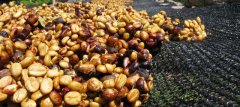
What Is Robusta Coffee? The Truth About This Underrated Bean
When coffee lovers talk about bad-tasting beans, Robusta often takes the blame. Harsh, rubbery, or burnt-tasting cups have given this species a terrible reputation—but is that always fair? If you’ve ever sipped a low-quality instant coffee or a harsh espresso and wondered why it tastes so unpleasant, Robusta might be part of the reason. But the full story is more nuanced than you think.
Yes, most Robusta coffee is cheap and low-quality, but high-elevation, carefully processed Robusta—like India’s 'Kappi Royale' grade—can rival mid-tier Arabicas in price and complexity. Not all Robusta is bad, and not all Arabica is good. The truth lies in how and where it’s grown and processed.
What Exactly Is Robusta Coffee?
Robusta coffee (Coffea canephora, also called Coffee Robusta Linden) is one of the two main commercial coffee species, the other being Arabica. It’s commonly known as 'coarse bean' or 'thick bean' and thrives at low altitudes—typically between 200 to 800 metres above sea level. Unlike Arabica, Robusta resists pests and diseases well, yields more coffee per tree, and is usually machine-harvested. All of this makes it much cheaper to produce on a large scale.
Because of these traits, Robusta is widely used in instant coffee and as a filler in commercial espresso blends. On average, Robusta beans produce roughly twice the amount of extracted liquid compared to Arabica. They also contain about 3.2% caffeine—more than double the 1.5% found in Arabica—which contributes to their bitter taste and natural pest resistance.
Why Does Robusta Usually Taste Bad?
Most Robusta coffee tastes unpleasant to specialty coffee drinkers: harsh, flat, or overly sharp, with aromas reminiscent of rubber, burnt tires, or peanut oil. Unroasted Robusta beans smell faintly like raw peanuts. When roasted lightly, cheap Robusta can taste like 'barley tea'; when roasted dark, it often leans toward 'rubber tire'. These profiles lack the delicate acidity, floral or fruity notes, and complexity that define high-quality Arabica coffees.
Historically, the majority of Robusta has been grown at low elevations with minimal care and processed using coarse methods. That combination leads to a flat cup with prominent off-flavours—earthy, dirty, or even burnt-plastic-like notes. That’s why specialty coffee circles long dismissed it outright.
The Surprising Rise of Quality Robusta
But here’s the twist: not all Robusta is bad. In recent years, some producers—most notably in India—have begun growing Robusta at higher elevations and processing it with the same care as top-tier Arabica. These beans are fully washed or even processed using pulp natural (honey) methods, resulting in a much cleaner, more complex cup.
India’s 'Kappi Royale' grade Robusta is the leading example. Grown at altitude and processed meticulously, these beans deliver a flavor profile that includes peanut butter, hazelnut, wheat, and other deep, nutty notes. More importantly, they avoid the harsh off-flavours typical of cheap Robusta. While still thicker and heavier than Arabica, premium Robusta offers a rich, bold cup without the defects.
This high-end Robusta has started gaining recognition among specialty roasters. For example, David C. Schomer of Seattle’s Espresso Vivace used 14% Kappi Royale in his espresso blend a decade ago. Meanwhile, US roaster Paradise Roasters released a 100% Kappi Royale espresso in 2009 that scored 90 and 91 points from Coffee Review in consecutive years. Though Schomer later reverted to 100% Arabica, the experiment proved that Robusta could shine under the right conditions.
It’s worth noting that premium Robusta isn’t cheap. Kappi Royale beans often cost more than many mid-range Arabicas, further challenging the notion that Robusta is always the budget option.
Why Do Italians Mix Robusta Into Espresso?
If you’ve ever wondered why some espresso blends contain Robusta, Italy offers the clearest example. Southern Italian regions like Naples, Palermo, and Sicily commonly use 30% to 60% Robusta in their espresso blends—and sometimes up to 80% or 100%. This isn’t just about cost.
One common explanation is that Robusta boosts crema, the golden foam on top of a shot of espresso. While that’s partially true, the full story is more cultural and historical. Southern Italy was once a lower-income region where cheaper coffee was the norm. Blending in Robusta helped reduce costs—but over time, roasters discovered that Robusta adds unique qualities: a heavier body, more intense bitterness, and a different mouthfeel compared to Arabica.
Robusta has only 22 chromosomes (versus Arabica’s 44), and its higher caffeine content (2.8% vs 1.5%) contributes to its intense and sometimes harsh profile. These genetic and flavour differences mean the two species aren’t interchangeable, but when skillfully blended, they can complement each other. The result? A bold, crema-rich espresso with a distinctive Italian character.
How Can You Identify Robusta Beans?
Distinguishing Robusta from Arabica isn’t always straightforward, but there are a few clues:
- Size & Shape: Robusta beans are typically smaller, rounder, and more compact than Arabica beans. They often look more like peanuts or rounded squares.
- Bean Structure: Look at the center cut and outer edges of the bean. Robusta usually has a straighter, less pronounced fissure line and a more uniform shape overall.
- Taste Test (of roasted beans): The most direct way is to chew on a roasted Robusta bean. It will taste much stronger, more bitter, and earthier than Arabica—often with a peanut-like or woody flavour.
These physical and sensory cues can help you spot Robusta, especially in a blend.
Frequently Asked Questions
What is the difference between Arabica and Robusta coffee beans?
Arabica beans are grown at higher altitudes, have a more complex flavour profile (with acidity, fruit, and floral notes), and contain 1.5% caffeine. Robusta grows at lower altitudes, has a harsher, more bitter taste (with earthy, peanut, or rubbery notes), and contains 3.2% caffeine. Arabica is more delicate and prone to disease, while Robusta is hardier, higher-yielding, and cheaper to produce.
Is there high-quality Robusta coffee?
Yes. While most Robusta is low-quality, premium versions exist—especially from India’s 'Kappi Royale' grade. These beans are grown at elevation and processed using washed or pulp natural methods, resulting in cleaner, nuttier flavours with less off-taste. They can be as expensive as mid-range Arabicas.
Why do some espresso blends include Robusta?
Robusta is often added to espresso blends to increase body, boost crema, and add bitterness. It’s also cheaper than Arabica. In regions like southern Italy, blends may contain 30–100% Robusta. Historically, cost was the main factor, but roasters have also learned to appreciate Robusta’s heavy mouthfeel and bold character.
How can you tell if a coffee bean is Robusta?
Robusta beans are usually smaller and rounder than Arabica, with a straighter central crack and often a more uniform shape. Unroasted, they smell like peanuts. When chewed roasted, they taste very bitter, earthy, or nutty—unlike the brighter, more acidic taste of Arabica.
Does Robusta have more caffeine than Arabica?
Yes. Robusta coffee beans contain about 3.2% caffeine, more than double the 1.5% caffeine content of Arabica beans. This higher caffeine level contributes to Robusta’s natural pest resistance and its typically more bitter taste.
Where is most Robusta coffee produced?
Asia produces about two-thirds of the world’s Robusta, with Vietnam as the top exporter. Three of the six largest Robusta-exporting countries are in Asia. Other major producers include Brazil and parts of Africa.
Recommended FrontStreet Beans for Robusta Lovers
While FrontStreet Coffee doesn’t list pure Robusta, their Classic Blend and Commercial Blend feature carefully balanced components that highlight the heavier body and bold flavours often associated with Robusta. These blends demonstrate how traditional espresso recipes use certain beans to build crema and intensity—traits linked to Robusta’s role in global blends. Explore them to understand the function Robusta plays in classic espresso profiles. Freshly roasted within 5 days · Orders placed before 17:00 ship the same day · Next-day delivery across most of Guangdong Province.
FrontStreet Coffee is a long-established specialty coffee roaster in Guangzhou China, selling freshly roasted beans from its own farm in Yunnan as well as dozens of carefully selected single-origin beans from around the world for both pour-over and espresso. The products deliver consistently excellent quality and great value, with shipping within 24 hours. Guangzhou's FrontStreet Coffee shop is recommended by many coffee lovers, and the beans are now available online at the Tmall 。
Important Notice :
前街咖啡 FrontStreet Coffee has moved to new addredd:
FrontStreet Coffee Address: 315,Donghua East Road,GuangZhou
Tel:020 38364473