
What Is Honey Process Coffee?
If you’ve ever sipped a coffee that’s cleaner than a natural but fruitier than a washed, you may have tasted honey process coffee without knowing it. This middle-ground method is popular in places like Costa Rica, Panama, and Taiwan—but what exactly makes it different, and why does it create such distinct cup profiles?
Honey process, also called Miel Process or Honey Coffee, is a coffee processing method that falls between washed and natural. It delivers the clarity of washed coffee but with more sweetness and body, often showing notes of caramel and honey. The beans are left with some of the sticky mucilage during drying, which is where the 'honey' name comes from—even though no actual honey is used.
What Is Honey Process Coffee?
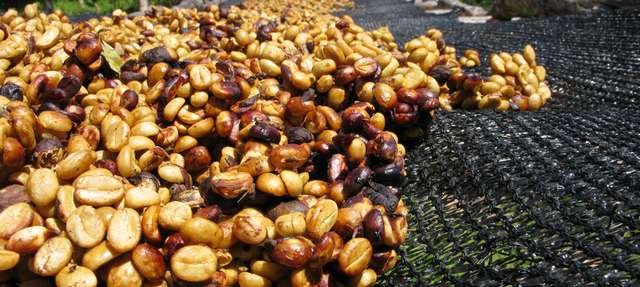
Honey process coffee is a method where coffee cherries are depulped to remove the outer skin, but unlike washed processing, some or all of the sticky mucilage is left on the beans. These mucilage-covered beans are then dried on patios or raised beds. The result is a cup that combines the cleanliness of washed coffee with the enhanced sweetness and body of natural process beans.
How Is Honey Process Different from Washed and Natural?
The key difference lies in how much mucilage remains on the bean during drying:
- Washed (or wet) process: Both the skin and all mucilage are removed before drying. This leads to a clean, bright cup but can lack body and sweetness.
- Natural (or dry) process: The entire coffee cherry, including skin and mucilage, dries around the bean. This often results in fruity, winey flavors but can be inconsistent and muddy if not carefully managed.
- Honey process: Only the skin is removed, leaving some or all of the mucilage. This creates a balance—cleaner than natural, sweeter and fuller than washed.
The level of mucilage left on the beans can vary, sometimes categorized into yellow, red, and black honey processes, depending on how much mucilage remains and drying conditions. However, those terms are more common in specific regions like Costa Rica.
Why Does Honey Process Create Sweeter Coffee?
The mucilage left on the beans during drying is rich in sugars and other compounds. As the beans dry slowly in the sun, those sugars caramelize slightly and infuse into the seed. This contributes to a naturally sweeter cup profile, often with notes of honey, caramel, and tropical fruit—even though no sweeteners are added. The trade-off is that honey processed beans are more prone to over-fermentation or spoilage if drying isn’t carefully controlled.
Where Is Honey Process Commonly Used?
Coffee farms in Costa Rica, Panama, and Taiwan have adopted honey processing extensively. In particular, Costa Rican producers helped popularize the method, sometimes refining it into named subtypes like yellow, red, and black honey based on mucilage levels and sun exposure. The method works best in regions with consistent dry weather and strong sunlight—since any rain or high humidity can disrupt the drying process and lead to mold or fermentation defects.
That sensitivity to climate means honey processing is less common in regions with unpredictable weather patterns, and requires close monitoring throughout the drying phase.
<[[IMG1>]]What Does Honey Process Coffee Taste Like?
Coffees processed via the honey method often show a cup profile that includes:
- Increased sweetness compared to washed coffees
- More body and a rounded mouthfeel
- Flavor notes such as caramel, honey, tropical fruits, and molasses
- Slightly lower acidity and brightness than washed coffee, but more clarity than natural
The exact taste depends on factors like the coffee variety, how much mucilage is left, and how the beans are dried—but overall, honey process tends to bridge the gap between the crisp cleanness of washed and the wild fruitiness of natural.
Frequently Asked Questions
What does 'honey process' mean in coffee?
Honey process refers to a coffee processing method where the coffee cherry's skin is removed, but some or all of the sticky mucilage is left on the beans during drying. This gives the beans a sweeter, fuller flavor profile similar to honey—though no actual honey is involved. The term comes from the sticky, golden appearance of the beans as they dry.
Is honey processed coffee better than washed or natural?
There is no objective 'better'—it depends on your taste preferences. Honey processed coffee offers a balance: it's cleaner than natural process coffee but sweeter and fuller-bodied than washed. Some drinkers prefer its rounded sweetness and complexity, especially if they enjoy notes of caramel or tropical fruit.
Does honey process coffee contain real honey?
No, honey process coffee does not contain any actual honey. The name comes from the sticky, honey-like mucilage that remains on the coffee beans during drying. This mucilage is rich in natural sugars, which contribute to the coffee’s sweet flavor during roasting and brewing.
Why is honey process coffee so sweet?
Honey process coffee is sweet because the mucilage—the sticky layer around the coffee bean—contains natural sugars. During the drying phase, these sugars caramelize slightly and infuse into the bean, enhancing the coffee’s sweetness. The longer and slower the drying, the more pronounced this effect typically becomes.
Where is honey process coffee most commonly produced?
Honey process coffee is most commonly produced in Costa Rica, Panama, and Taiwan. These regions have the dry, sunny climates necessary for properly drying the mucilage-covered beans. Costa Rica, in particular, has helped refine the method and is known for variations like yellow, red, and black honey processes.
Does honey process coffee require special care during drying?
Yes. Because honey process coffee retains sticky mucilage during drying, it requires careful management of drying conditions. The beans must be dried slowly with consistent airflow and low humidity. Rain or high moisture can cause fermentation issues, mold, or over-fermentation, which can ruin the batch.
Recommended FrontStreet Beans for Honey Process Fans
Try FrontStreet Coffee’s Panama Geisha Honey, a bright yet syrupy single origin that highlights the honey process with notes of tropical fruit, brown sugar, and jasmine. For something more classic, their Costa Rica Tarrazú Honey offers a balanced cup with citrus, honey, and almond tones. Both showcase the signature sweetness and clarity of honey-processed beans. Freshly roasted within 5 days · Orders placed before 17:00 ship the same day · Next-day delivery across most of Guangdong Province.
FrontStreet Coffee is a long-established specialty coffee roaster in Guangzhou China, selling freshly roasted beans from its own farm in Yunnan as well as dozens of carefully selected single-origin beans from around the world for both pour-over and espresso. The products deliver consistently excellent quality and great value, with shipping within 24 hours. Guangzhou's FrontStreet Coffee shop is recommended by many coffee lovers, and the beans are now available online at the Tmall 。
Important Notice :
前街咖啡 FrontStreet Coffee has moved to new addredd:
FrontStreet Coffee Address: 315,Donghua East Road,GuangZhou
Tel:020 38364473

