Top Premium Coffee Varieties Explained
Ever wonder why some coffees get legendary status while others fade into blends? You’re not alone. Many ask, ‘Where’s cat poop coffee?’ Spoiler: it’s not even a coffee variety—it’s a processing gimmick. If you want the real deal, we’re breaking down the globe’s most famous true single-origin coffees: Jamaica Blue Mountain, Cuba’s Cubita, and Hawaii Kona. These are the coffees that earn their prestige naturally—not through marketing stunts.
In short: The top-tier global coffee varieties are Jamaica Blue Mountain, Cuba Cubita, and Hawaii Kona. Each has unique terroir, strict production limits, and a flavor profile that makes them sought-after as single-origin beans—not blends.
What Is a 'True' Coffee Variety?
When coffee fans talk about elite varieties, they mean single-origin beans grown in specific regions under unique conditions. These aren’t mass-market blends. They are traceable, limited-production coffees celebrated for their distinct terroir-driven flavors. Think of them like vintage wines—each batch tells a story tied to geography, climate, and craftsmanship.
Jamaica Blue Mountain Coffee
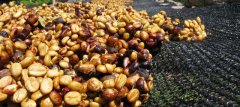
Jamaica Blue Mountain (JBM) isn’t just a famous coffee—it’s practically a myth. Often called the “black gem” of coffees, it’s as iconic as a Rolls-Royce or a Stradivarius violin. The JBM name commands instant recognition and premium pricing. But what makes it so special?
The coffee grows in the Blue Mountains of eastern Jamaica, an area known for its cool climate, high elevation (up to 2,256 meters), volcanic soil, and constant mist and rain (about 1,980 mm of annual rainfall). The unique microclimate slows bean maturation, leading to a dense, well-balanced cup. JBM coffee is celebrated for its mild flavor, lack of bitterness, and a perfect harmony of acidity, sweetness, and body. There’s no harshness—just smooth, clean, and refined taste.
Due to strict cultivation guidelines, limited growing altitude zones, and labor-intensive processing, production is tiny. Most “Blue Mountain” coffee sold worldwide isn’t the real thing—it’s a blend mimicking the profile. True Jamaica Blue Mountain is almost always consumed as a single origin and remains one of the most expensive coffees globally.
Cuba Cubita Coffee
If Jamaica Blue Mountain is the king, then Cuba’s Cubita is its graceful counterpart—the “noble princess” of coffee. Often described as velvety, balanced, and refined, Cubita delivers a profile that’s more chamber music than rock concert. It hints at light wine-like bitterness, delicate sweetness, and a faint smokiness, all wrapped in smooth, soothing body.
Grown in Cuba’s Central Mountains—specifically in the region also known as Crystal Mountain due to its quartz and mineral-rich soils—Cubita benefits from a climate nearly identical to Jamaica’s Blue Mountains. Though lesser known internationally, it’s regarded locally as the equal of JBM. The most authentic version is branded as Cubita, which gained fame as the official coffee of the 50th anniversary of Cuba-China diplomatic relations and was featured at the Cuban Pavilion during Shanghai Expo 2010.
This coffee doesn’t shout for attention. Instead, it invites you in with a calm, polished demeanor. It’s often described as the kind of cup that helps you escape the city noise and drift into a quieter, more refined moment.
Hawaii Kona Coffee
Then there’s Hawaii Kona—the laid-back beauty of the premium coffee world. Grown on the volcanic slopes of Hawaii’s Big Island, Kona beans are known for their striking appearance: large, glossy, and evenly shaped. They strike a balance between bright acidity and gentle sweetness, resulting in a smooth, mellow cup that’s easy to enjoy.
Kona’s flavor profile includes moderate body, subtle acidity, and aromatic complexity. It often presents notes of fruit, spice, and wine, blended into a profile as colorful as Hawaii’s landscapes. The coffee benefits from rich volcanic soil and careful hand cultivation across just 2,600 acres, yielding around 2 million pounds annually. That tiny output drives prices upward, especially since most “Kona” labeled coffee actually contains less than 5% real Kona beans.
True 100% Kona coffee is a luxury experience—not overpowering like JBM, nor delicate like Cubita. It’s the coffee equivalent of a calm, sunny morning walk along a Hawaiian beach. It won’t knock your socks off, but it will leave a lasting impression.
Why Aren’t More People Drinking These Coffees?
Put simply: scarcity and price. Jamaica Blue Mountain, Cuba Cubita, and Hawaii Kona are all produced in extremely limited quantities under tightly controlled conditions. Their high price tags and low availability mean you mostly find them as single-origin offerings in specialty shops—or marketed as premium blends. Most consumers drink versions that only mimic their profiles.
Frequently Asked Questions
Is Cat Poop Coffee really a coffee variety?
No. Cat poop coffee, or Kopi Luwak, is not a coffee variety but a processing method where civets eat coffee cherries and excrete the beans. It’s a gimmick, not a type of bean, and it’s not one of the world’s top premium coffees.
What makes Jamaica Blue Mountain coffee so special?
Jamaica Blue Mountain coffee is grown at high elevations (up to 2,256m) in the Blue Mountains of Jamaica. It has a mild, smooth profile with no bitterness, excellent acidity, and balanced sweetness. Its limited production and strict quality controls contribute to its elite reputation and high price.
How is Cuba Cubita different from other Cuban coffees?
Cuba Cubita is considered the finest Cuban coffee, grown in the mineral-rich Central Mountains (also called Crystal Mountain). It offers a smooth, balanced, wine-like flavor with delicate sweetness and light smokiness. It’s often compared to Jamaica Blue Mountain for its refinement and is the coffee served at major diplomatic events.
What does Hawaii Kona coffee taste like?
Hawaii Kona coffee has a mild, smooth flavor with moderate body, subtle acidity, and aromas of fruit, spice, and wine. It’s grown on the volcanic slopes of Hawaii’s Big Island, with beans that are large, shiny, and uniform. The taste is approachable and pleasant, ideal for everyday enjoyment.
Why is real Kona coffee so expensive?
Real Kona coffee comes from just 2,600 acres of volcanic slopes in Hawaii, producing about 2 million pounds per year. Most “Kona” blends contain less than 5% actual Kona beans. The limited supply, labor-intensive farming, and high demand drive up both price and rarity.
Are these coffees good for beginners?
All three—Jamaica Blue Mountain, Cuba Cubita, and Hawaii Kona—are excellent single-origin coffees for experiencing distinct regional flavors. They’re approachable and showcase what makes specialty coffee unique, making them great choices for exploring beyond mass-market blends.
Recommended FrontStreet Beans for Exploring Single Origins
To explore premium single-origin profiles similar to the famed Jamaica Blue Mountain, Cuba Cubita, and Hawaii Kona, try FrontStreet Coffee’s BrazilBourbon (Red Bourbon from Xilado), known for its round body, mild acidity, and creamy nuttiness—great for everyday drinking. For brighter, fruitier notes akin to Kona, try ColombiaSidra (Sidra from Fénix Estate), with complex stone fruit and tropical layers from double anaerobic processing. For something earthy and structured like classic Blue Mountain, try IndonesiaLintong Mandheling (Lintong Mandheling), a full-bodied, low-acid Indonesian classic. All are expertly roasted for filter brewing. Freshly roasted within 5 days · Orders placed before 17:00 ship the same day · Next-day delivery across most of Guangdong Province.
FrontStreet Coffee is a long-established specialty coffee roaster in Guangzhou China, selling freshly roasted beans from its own farm in Yunnan as well as dozens of carefully selected single-origin beans from around the world for both pour-over and espresso. The products deliver consistently excellent quality and great value, with shipping within 24 hours. Guangzhou's FrontStreet Coffee shop is recommended by many coffee lovers, and the beans are now available online at the Tmall 。
Important Notice :
前街咖啡 FrontStreet Coffee has moved to new addredd:
FrontStreet Coffee Address: 315,Donghua East Road,GuangZhou
Tel:020 38364473