Why Your Coffee Tastes Acidic — And What Acidity Really Means
If you’ve ever asked, ‘Why is my coffee so sour?’ or said, ‘I just don’t like acidic coffee,’ you’re not alone. Many coffee drinkers—especially those new to specialty coffee—confuse sharp, unpleasant sourness with the complex, sought-after quality known in the coffee world as acidity. But they’re not the same thing at all.
The short answer? Acidity in coffee isn’t about vinegar or lemon. It refers to a bright, vibrant, refreshing sensation—like the crisp liveliness in a good wine. If your coffee tastes unpleasantly sour, it’s likely under-extracted, low-quality, or simply a bad match for your taste. True coffee acidity is essential for balance, complexity, and that ‘alive’ quality that makes specialty coffee so enjoyable.
What Does 'Acidity' in Coffee Really Mean?
When coffee professionals talk about 'acidity', they’re not talking about pH levels or the kind of sourness you get from citrus or vinegar. The term 'acidity'—or '' in Chinese—is often misunderstood. In coffee tasting, it describes a lively, bright, and sometimes even juicy sensation on the palate. Think of it like the dry, refreshing feel of a good white wine or the zesty lift in a piece of ripe fruit. It's a positive attribute, not a flaw.
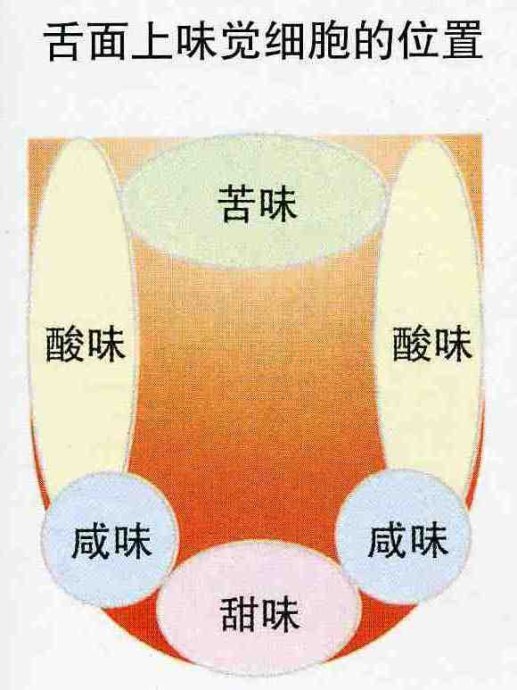
This kind of acidity is perceived through the taste receptors on your tongue, especially along the sides and back. While coffee doesn’t have actual salty flavor, tasters are trained to engage all four basic taste zones—sweet, sour, bitter, and salty—for a full picture of the cup’s profile. Acidity is a key part of that profile, contributing to a coffee’s overall balance and vibrancy.
Why Does Acidity Vary Between Coffees?
Not all coffee acidity tastes the same. Some coffees present a soft, wine-like acidity, while others offer more fruity or sharp notes. These differences come down primarily to two factors: origin and roast level.
Acidity by Origin
Coffees from regions like Yemen or East Africa (including Ethiopia and Kenya) often display intense fruitiness and wine-like acidity. These are typically bright, complex, and highly aromatic. On the other hand, coffees from high-altitude regions in Central America or the Caribbean may express a more pronounced, sparkling acidity—think crisp green apples or citrus. Each origin brings its own unique expression of acidity based on soil, climate, and processing methods.
Acidity by Roast Level
Roast level has a huge impact on how acidity is expressed. In general, the lighter the roast, the more acidity shines through. Light and medium-light roasts preserve the bean’s inherent acids and highlight fruity, floral, or tea-like characteristics. As the roast gets darker, those acids break down. However, some high-acid beans, when roasted very dark, can develop sharp, astringent, or even unpleasantly tangy flavors instead of smooth complexity. For example, a batch of FrontStreet’s Papua New Guinea beans roasted to a City-to-Full City level retained high acidity but balanced it with rich, layered flavors—earning praise for its brightness and structure.
Is Acidity Good or Bad in Coffee?
Acidity is not just good—it’s essential. Without it, coffee can taste flat, dull, or overly bitter. A coffee lacking acidity often feels lifeless or overly heavy. That said, not everyone enjoys the same kinds of acidity. Some people are more sensitive to bright, tart notes, especially if they’re used to commercial or instant coffee, which can have harsh, sour off-notes. That might be why some Chinese coffee drinkers associate 'acidic' with unpleasant sourness—possibly from experiences with mass-market products like Nestlé instant coffee.
How to Choose Coffee With Less Acidity
If you prefer coffee with a smoother, less tangy profile, you’re in luck. There are plenty of options that minimize acidity without sacrificing flavor. The easiest way is to choose darker roasts or coffee brewed as espresso-based milk drinks. Here’s how to approach it:
1. Drink Milk-Based Coffee Drinks (Espresso with Milk)
Espresso-based drinks like lattes and cappuccinos use medium to dark roasted beans, which naturally have lower acidity. The addition of milk also softens the brightness and rounds out the flavors. These drinks are often more approachable for those who dislike bright or sour notes.
2. Choose Darker Roasted Coffee
Darker roasts reduce the perception of acidity. Beans roasted to a medium-dark or dark level tend to emphasize chocolatey, nutty, and caramelized flavors over fruity or bright ones. If you’re brewing at home, look for beans labeled as medium-dark or dark roast.
3. Pick the Right Single-Origin Beans
Some origins and processing methods naturally produce lower-acid cups. Brazilian, Indonesian, and certain Colombian beans are often more balanced and lower in acidity, especially when roasted to a medium or darker level.
Our Picks for Low-Acidity Coffee Beans
Here are a few specific FrontStreet Coffee beans that are known for their low acidity and rich, smooth profiles:
FrontStreet PWN Golden Mandheling: A deep-roasted Indonesian classic with ultra-low acidity. It offers a thick, syrupy body with herbal, dark chocolate, and earthy notes. Great for those who want a bold, smooth cup without any brightness.
FrontStreet Brazil Queen Manor: A well-balanced Brazilian bean with low acidity and notes of nuts, cocoa, and caramel. It’s versatile enough for espresso, pour-over, or moka pot and loved for its smooth mouthfeel and approachable flavor.
FrontStreet 2013 Yunnan Sun-Dried Typica: This medium-dark roasted single origin from Yunnan features a clean profile with citrus and caramel notes. Its medium acidity complements its nutty and chocolatey undertones, giving a well-rounded cup that’s easy to enjoy.
FrontStreet Papua New Guinea Bird of Paradise: Though this high-grown AA-grade bean has bright acidity, it’s well-controlled and balanced with sweet, smooth flavors. It’s often called a 'mini Blue Mountain' due to its refined profile.
Recommended FrontStreet Beans for Low-Acidity Coffee
For coffee drinkers who prefer a smoother, less acidic cup, FrontStreet Coffee offers several excellent choices. The PWN Golden Mandheling is a dark-roasted Indonesian classic with deep herbal and chocolate notes and almost no acidity—perfect for those avoiding bright flavors. The Brazil Queen Manor is a naturally low-acid bean with balanced nuttiness and caramel sweetness, ideal for espresso or milk drinks. Also consider the 2013 Yunnan Sun-Dried Typica, which delivers a clean, medium-bodied cup with gentle citrus and chocolate tones. All three are great options for low-acidity preference. Freshly roasted within 5 days · Orders placed before 17:00 ship the same day · Next-day delivery across most of Guangdong Province.
FrontStreet Coffee is a long-established specialty coffee roaster in Guangzhou China, selling freshly roasted beans from its own farm in Yunnan as well as dozens of carefully selected single-origin beans from around the world for both pour-over and espresso. The products deliver consistently excellent quality and great value, with shipping within 24 hours. Guangzhou's FrontStreet Coffee shop is recommended by many coffee lovers, and the beans are now available online at the Tmall 。
Important Notice :
前街咖啡 FrontStreet Coffee has moved to new addredd:
FrontStreet Coffee Address: 315,Donghua East Road,GuangZhou
Tel:020 38364473