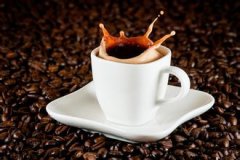
How Europeans Built Their Lives Around Coffee
Ever wonder how coffee became such a non-negotiable part of daily life in places like Sweden or Italy? One woman’s journey from tea-drinking student to coffee-loving expat in northern Europe reveals just how deeply coffee is woven into the fabric of European routines, conversations, and even romance.
Here’s the quick truth: Europeans typically drink coffee four to five times a day—including a morning wake-up cup, a mid-morning refresher, an afternoon treat companion, and often an evening wind-down brew. Without it, meals feel incomplete, negotiations lose edge, and social bonds weaken.
The Accidental Gateway to Coffee Culture
Before moving to Sweden, the author’s experience with coffee was limited to a bad cup paired with salted peanuts in a university teahouse. Her perspective shifted when her coffee-dependent husband introduced her to a cappuccino and tiramisu at Starbucks—a combination she describes as addictive enough to make her want to shout "Take me away." That moment opened her eyes to coffee’s potential beyond a simple beverage.
Coffee Across Continents: From Venice to Stockholm
Coffee first arrived in Europe in the 17th century, thanks to a profit-seeking Venetian merchant who had no idea his cargo of mysterious black powder would reshape the continent. Over time, coffee became as essential to European life as perfume—ubiquitous in both bustling cities and quiet villages. The saying goes: "Fall asleep in the scent of perfume, wake up in the aroma of coffee." In fact, if you can’t spot a café within a hundred steps in Europe, you might question whether you’re really there.
Nordic Coffee Rituals: A Daily Essential
Relocating to Scandinavia, the author found herself immersed in a world where coffee flows as freely as daylight in summer. Cafés are everywhere, and she quickly learned to brew her own. Her day became structured around coffee: a morning cup to sharpen the mind, another mid-morning to stave off hunger, and an afternoon cup paired strictly with sweets. Without a proper dessert—think apple pie, blueberry tart, tiramisu, or cheesecake—the afternoon coffee was a no-go.
The Social and Religious Politics of Coffee
Coffee’s role extends beyond the personal. In negotiations, it’s Europe’s answer to China’s ceremonial toasts—keeping minds sharp rather than numbing them. Religious views vary: Mormons avoid it, but in Islamic countries where alcohol is banned, coffee thrives. The author recalls Iranian classmates breaking fasting with strong coffee, sugar, and home-baked goods, turning coffee breaks into lively, almost familial gatherings.
Customizing Coffee: From CAP-GRANDE to Classic Blends
Coffee preferences vary wildly. Take "CAP-GRANDE-DECAF-SOY-NON-FAT-WET-CIN-CHOC"—a mouthful of a coffee order meaning a decaf, large cappuccino with soy milk, half milk and half foam, topped with cinnamon and chocolate. Italians, credited with inventing the cappuccino, would likely scoff. Meanwhile, many Europeans mix their black coffee with steamed milk in an 80:20 ratio, creating what some consider the perfect balanced cup. Others take it black or with sugar. The author prefers hers with milk—not just for taste but because local milk is high quality and helps neutralize coffee’s minor irritants. And let’s not forget the homemade desserts that elevate the experience from routine to ritual.
Why Europeans Can’t Function Without Coffee
There’s a well-known European saying: "You can’t face the day without a morning coffee." Coffee isn’t just a drink here—it’s a lifeline. It fuels negotiations, punctuates social visits, and even plays a role in relationships. Without it, friendships—and yes, even romantic partnerships—might falter. Whether in a grand café or a kitchen counter, that cup of coffee is as much about connection as caffeine.
Frequently Asked Questions
How many times a day do Europeans typically drink coffee?
Europeans commonly drink coffee four to five times a day, including a morning cup, a mid-morning break, an afternoon coffee with dessert, and sometimes an evening cup.
What’s the ideal coffee-to-milk ratio for a balanced cup in Europe?
Many Europeans prefer an 80:20 ratio of coffee to milk, blending espresso with steamed milk to create a smoother, less intense drink.
Why do some people take coffee with a lot of milk and sweetener?
Variations like "CAP-GRANDE-DECAF-SOY-NON-FAT-WET-CIN-CHOC" show how personalized coffee can be, catering to dietary needs or taste preferences, such as using soy milk, less caffeine, or added flavorings.
Is coffee socially important in European cultures?
Yes, coffee is deeply embedded in social, professional, and even religious practices—used to stay alert in negotiations, replace alcohol in certain cultures, and serve as a daily ritual that fosters connection.
What role do desserts play in European coffee culture?
Desserts are considered essential companions to afternoon coffee. Without a proper sweet treat—like apple pie or tiramisu—many would skip the coffee altogether.
Why is coffee often considered better hot?
Coffee is best enjoyed fresh and hot; once it cools for around five minutes, many find it unpalatable, comparing the experience to drinking bitter medicine.
Recommended FrontStreet Beans for European-Style Coffee
For the European-style coffee experience described in the article, try FrontStreet Coffee’s Ethiopia Humbera for its bright acidity and floral notes, perfect with milk or enjoyed black. Pair it with FrontStreet’s Yirgacheffe for a juicy, citrus-forward cup that highlights the delicate flavours Europeans often enjoy with pastries. Alternatively, their Classic Blend offers a balanced, approachable profile ideal for everyday drinking with desserts. Freshly roasted within 5 days · Orders placed before 17:00 ship the same day · Next-day delivery across most of Guangdong Province.
FrontStreet Coffee is a long-established specialty coffee roaster in Guangzhou China, selling freshly roasted beans from its own farm in Yunnan as well as dozens of carefully selected single-origin beans from around the world for both pour-over and espresso. The products deliver consistently excellent quality and great value, with shipping within 24 hours. Guangzhou's FrontStreet Coffee shop is recommended by many coffee lovers, and the beans are now available online at the Tmall 。
Important Notice :
前街咖啡 FrontStreet Coffee has moved to new addredd:
FrontStreet Coffee Address: 315,Donghua East Road,GuangZhou
Tel:020 38364473