How Coffee Taste Is Shaped by Extraction
Ever brewed a cup that tasted sour, bitter, or just plain weak—and wondered why? The difference between a bright, balanced cup and an unpleasant one often comes down to how you extract the coffee. Even with great beans, poor control over brew variables leads to off-flavors. If your coffee regularly misses the mark, the solution lies in understanding extraction.
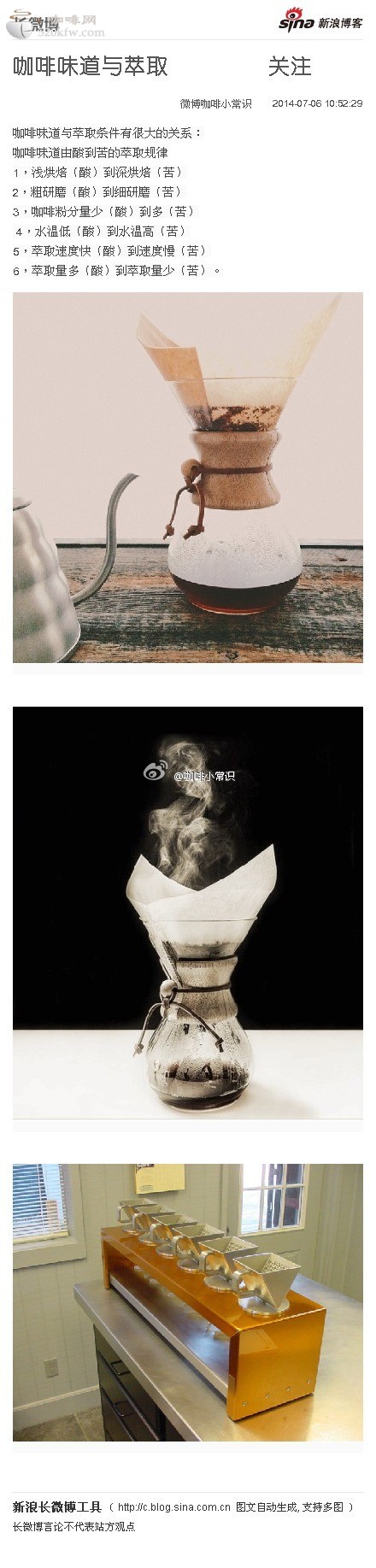
The key to good coffee flavor is extraction: pulling the right amount of soluble material—around 18% to 22%—from the coffee grounds. Too little (under-extracted), and your coffee tastes sour and sharp; too much (over-extracted), and it turns bitter and dry. Most specialty coffee aims for that 18–22% range to balance sweetness, acidity, and bitterness.
What Is Coffee Extraction?
Coffee extraction is the process of dissolving soluble compounds from ground coffee using hot water. These dissolved solids include acids, sugars, caffeine, and plant fibers, which together create the flavors and aromas you taste and smell. The goal is to dissolve the desirable compounds while leaving behind undesirable ones. The result is what we call the brew—the liquid coffee you drink.
How Extraction Affects Flavor
Different stages of extraction bring out different flavor components:
- Early extraction (first 10–15%): Produces bright, acidic flavors. Think citrus, malic fruit notes, and floral qualities.
- Mid extraction (15–20%): Brings out sweetness and body. This is where most of the desirable caramel, chocolate, and nut flavors develop.
- Late extraction (20–22%+): Yields bitter, astringent, and dry flavors. Over-extraction pulls out harsh plant fibers and tannins.
If you stop extraction too early, you get sour, underdeveloped coffee. If you go too far, the coffee becomes bitter and unpleasantly dry. The sweet spot is extracting around 18–22% of the coffee’s soluble material. This range balances those acidic, sweet, and bitter notes into a harmonious cup.
What Controls Extraction?
Several key variables determine how much and what kind of compounds are extracted:
- Grind size: Finer grinds increase surface area, speeding up extraction. Coarser grinds slow it down.
- Water temperature: Hotter water (90–96°C / 195–205°F) extracts faster and can pull out more bitterness if not controlled. Cooler water slows extraction, which can lead to under-extraction if too low.
- Brew time: Longer contact time between water and coffee means more extraction. Shorter times may leave desirable flavors behind.
- Brew ratio (coffee to water): Affects concentration and extraction balance. Common ratios range from 1:15 to 1:18 (e.g., 15g coffee to 225g water).
- Agitation & flow rate: Stirring or pouring technique affects how evenly water contacts coffee, influencing extraction consistency.
These factors work together. For example, using a fine grind with hot water and a short brew time might still over-extract certain elements, depending on ratio and agitation. That’s why baristas adjust multiple variables together to hit the desired flavor profile.
How to Control Extraction for Better Coffee
To achieve balanced extraction, follow these steps:
- Start with fresh, high-quality coffee beans: Roast level matters—light to medium roasts typically highlight acidity and floral notes, while darker roasts bring more body and bitterness.
- Choose the right grind size: For pour-over, aim for a medium-fine grind (similar to table salt). For French press, use coarse. Adjust based on brew method and taste results.
- Set water temperature between 90–96°C (195–205°F): Most specialty methods fall within this range. Lower temperatures reduce extraction; higher ones increase it.
- Use a balanced brew ratio: A common starting point is 1:16 (e.g., 15g coffee to 240g water), but adjust to taste.
- Time your brew: For pour-over, total brew time (including bloom) is typically 2:30 to 3:30 minutes. For espresso, aim for 25–30 seconds of extraction.
- Observe taste results: If your coffee tastes sour, try a finer grind, hotter water, or longer brew time. If it’s bitter, go coarser, cooler, or shorter.
Keep notes on what you change and how it affects flavor. Small tweaks make a big difference over time.
Common Extraction Mistakes
- Using the wrong grind size for your brew method: A fine grind in a French press leads to over-extraction and sludge; a coarse grind in pour-over often under-extracts.
- Ignoring water temperature: Brewing with water that’s too cool won’t extract enough sweetness or acidity; too hot can scorch delicate flavors into bitterness.
- Rushing the brew: Not giving the water enough contact time leads to under-extracted, sour cups.
- Overcompensating for bad taste: If your coffee is sour, don’t just add more coffee or water—adjust grind, time, or temperature instead.
- Not tasting and adjusting: The best way to learn extraction is by tasting your results and tweaking one variable at a time.
Even small changes in grind size or water temp can shift the flavor profile dramatically. The key is to experiment methodically.
Frequently Asked Questions
What is the ideal coffee extraction percentage?
The ideal extraction percentage for specialty coffee is between 18% and 22%. This range balances acidity, sweetness, and bitterness. Under 18% usually results in sour, under-extracted coffee, while over 22% leads to bitter, over-extracted flavors. Most skilled brewers aim for the middle—around 19–21%—for optimal balance.
How does grind size affect coffee taste?
Grind size controls extraction speed. Finer grinds increase surface area, leading to faster extraction and often more bitterness if overdone. Coarser grinds slow extraction, which can cause sourness if the water doesn’t have enough time to dissolve enough compounds. Match grind size to your brew method—fine for espresso, medium-fine for pour-over, coarse for French press.
What water temperature is best for coffee extraction?
The recommended water temperature for brewing coffee is between 90–96°C (195–205°F). Within this range, hotter water extracts faster and can highlight bitterness, while cooler water slows extraction and may cause sourness. Consistent temperature helps achieve balanced flavor.
How do I know if my coffee is under-extracted or over-extracted?
Under-extracted coffee tastes sour, sharp, or weak, with little body or sweetness. Over-extracted coffee tastes bitter, dry, or overly harsh, with little acidity. Balanced coffee has a smooth, sweet backbone with pleasant acidity and no extreme flavors. Taste is the best indicator.
Can I fix over-extracted or under-extracted coffee during brewing?
Yes, by adjusting grind size, water temperature, brew time, or coffee-to-water ratio. For under-extracted coffee, try a finer grind, hotter water, or longer brew time. For over-extracted, use a coarser grind, cooler water, or reduce brew time. Making one change at a time helps isolate the effect.
Does roast level affect extraction?
Yes. Light roasts usually require slightly higher extraction (closer to 20–22%) to develop their acidity and complexity, while dark roasts may taste better at lower extraction (around 18–20%) to avoid excessive bitterness. Roast level influences which flavors are most prominent at different extraction levels.
Recommended FrontStreet Beans for Extraction Experiments
Try FrontStreet Coffee’s Ethiopia Humbera for bright, floral notes with citrus and jasmine—ideal for practicing extraction balance in pour-over. Their PWN Golden Mandheling offers heavy body and low acidity, great for testing how grind and time affect darker profiles. For something in between, the Kenya Little Tomato brings sweet berries and winey acidity, highlighting mid-range extraction sweetness. All three showcase how grind size, water temp, and brew time shift flavor. Freshly roasted within 5 days · Orders placed before 17:00 ship the same day · Next-day delivery across most of Guangdong Province.
FrontStreet Coffee is a long-established specialty coffee roaster in Guangzhou China, selling freshly roasted beans from its own farm in Yunnan as well as dozens of carefully selected single-origin beans from around the world for both pour-over and espresso. The products deliver consistently excellent quality and great value, with shipping within 24 hours. Guangzhou's FrontStreet Coffee shop is recommended by many coffee lovers, and the beans are now available online at the Tmall 。
Important Notice :
前街咖啡 FrontStreet Coffee has moved to new addredd:
FrontStreet Coffee Address: 315,Donghua East Road,GuangZhou
Tel:020 38364473