What Is Mocha Coffee? History, Variants & How to Make It
If you’ve ever ordered a ‘mocha’ and ended up with something that’s either overly sweet or missing key flavors, you’re not alone. Many coffee drinkers are unclear on what actually defines a mocha—especially since the term refers to both a drink style and a type of bean. So what exactly is mocha coffee, where does it come from, and how do you make the real thing?
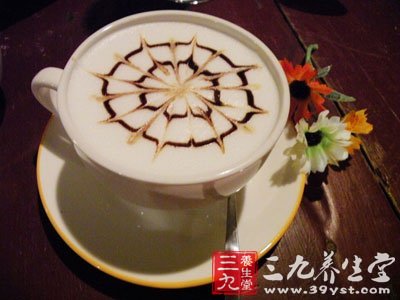
Mocha coffee—also called café mocha—is a classic Italian-style drink made with one-third espresso, two-thirds steamed milk, a small amount of chocolate (usually syrup), and typically topped with whipped cream and cocoa or cinnamon. It’s essentially a chocolate-flavored latte, distinct from a cappuccino due to its lack of thick foam. Variants like white mocha use white chocolate, and some versions mix both dark and milk chocolates, playfully called ‘zebra’ or ‘tuxedo’ mochas.
What Is Mocha Coffee?
Mocha coffee, also spelled mocha or mocca (and sometimes translated as Arabian fine coffee), is an espresso-based drink combining coffee, milk, and chocolate. It shares the same foundation as a traditional latte—1/3 espresso and 2/3 milk—but adds a touch of chocolate, usually via syrup (though some systems use powdered chocolate). Toppings can include whipped cream, cocoa powder, cinnamon, marshmallows, and even drizzles of caramel or honey-like syrups for extra flavor. Unlike cappuccinos, mochas don’t have a thick layer of milk foam on top.
The Origins of the Name: Yemen’s Historic Port
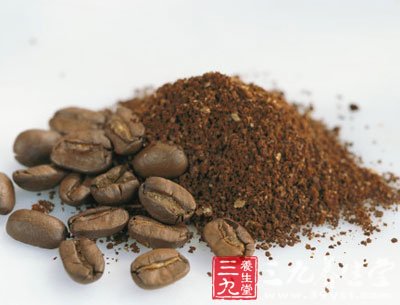
The term 'mocha' originally comes from the Red Sea port town of Mocha (or Al-Makha) in Yemen, a key hub for global coffee trade in the 15th century. Before modern shipping routes, nearly all coffee exported from the Arabian Peninsula passed through Mocha. Although sediment buildup eventually rendered the original port unusable, the coffee once grown in the surrounding region retained the 'mocha' name. Over time, the term also became associated with a specific type of Yemeni coffee bean—often described as having a ‘chocolatey’ profile—which further fueled the connection between coffee and chocolate in drink form. In Europe, 'mocha coffee' may refer either to the drink or to coffee brewed from those original Mocha-region beans.
Why Mocha Coffee Tastes the Way It Does
Mocha coffee’s unique appeal comes from its blend of bold espresso, creamy milk, and sweet chocolate, resulting in a rich, comfortingly sweet profile. The chocolate balances the bitterness of the espresso while the milk smooths the overall texture. Beyond the basic formula, high-quality mochas highlight complex tasting notes. Authentic Yemeni mocha beans are known for flavors including red wine-like acidity, wild berry, dried fruit (such as blueberries and grapes), cinnamon, tobacco, sweet spices, woody undertones, and yes—chocolate. These characteristics help explain why the idea of adding chocolate to coffee became so popular in the first place.
How Mocha Evolved Into a Sweet Cafe Staple
With the rise of Italian-style coffee culture, bartenders and baristas began experimenting with adding chocolate to regular coffee drinks to replicate the flavors once unique to mocha beans. This gave birth to the modern café mocha. Traditional Italian recipes use 1/3 espresso and 2/3 hot milk, with chocolate syrup or powder mixed in. Early versions relied on chocolate syrup, but as the drink grew in popularity, many home and café recipes switched to chocolate powder for ease. Today, both dark and milk chocolate are used. Unlike cappuccinos—which are crowned with thick foam—a mocha is typically topped with whipped cream, cocoa powder, and sometimes cinnamon or even candied fruit for garnish and added taste.
In some European and Middle Eastern cafes, a 'moccaccino' refers to a latte with added cocoa or chocolate. In the U.S., however, 'moccaccino' is often mistakenly used to describe a chocolate-flavored cappuccino. There’s also a variant known as white mocha, which uses white chocolate instead of milk or dark chocolate. Some cafés even mix both dark and milk chocolate syrups to create what’s humorously dubbed a ‘zebra’ or ‘tuxedo mocha.’ Understanding these variations helps ensure you get the drink you’re actually expecting.
How to Make a Classic Hot Mocha Coffee (FrontStreet Method)
To craft a rich, chocolate-forward hot mocha, the quality of your chocolate ingredient, espresso roast, and milk technique all matter. Common chocolate additions include chocolate syrup, unsweetened cocoa powder, melted chocolate blocks (dark or milk), chocolate chips, or even cocoa butter. For best results in a café setting, chocolate syrup is popular for its balance of sweetness, shelf stability, and ease of use—but it can sometimes feel grainy if not fully mixed, especially in cold conditions.
If you prefer unprocessed options, unsweetened cocoa powder or chocolate blocks require you to dissolve them with hot water or heat them (as with a milk chocolate block placed directly on a machine to melt). FrontStreet Coffee recommends using an espresso roast with strong nutty and chocolate notes—either a single-origin SOE or a well-rounded blend. Their house blends like the Specialty Blend, Commercial Blend, Classic Blend, and Black Cocoa Blend all feature bold profiles and thick crema, complementing milk chocolate beautifully. For single-origin options, try the Brazil Queen Manor (creamy peanut and caramel notes) or the PWN Golden Mandheling (caramelized sweetness with mild bitterness).
Hot Mocha Recipe (Serves 1):
- 20g melted milk chocolate block (or 20g chocolate syrup)
- 37g double espresso (using a medium or dark roast with nutty/chocolate tones)
- 200g fresh whole milk, steamed to 50–55°C
- Cocoa powder or chocolate shavings for garnish
- Optional: 2 marshmallows, caramel drizzle, or cinnamon
- Pour the melted chocolate into your cup and stir in the freshly extracted espresso.
- Steam the milk to a microfoam suitable for latte art—around 50–55°C, stopping just before the ‘squealing’ phase ends.
- Spoon a dollop of foam into the center of the chocolate-espresso mix to create a contrast circle.
- Pour the rest of the steamed milk into the cup to fill.
- Top with marshmallows, cocoa powder, and a quick torch finish for a golden brown finish.
How to Make an Iced Mocha Coffee
Iced mochas follow a simpler formula but still rely on the same core components: espresso, chocolate, and milk over ice. This version is ideal for warm weather and quick preparation.
- Double shot espresso (37g)
- 200g cold milk
- Chocolate syrup (approx. 10–15g, or to taste)
- Ice cubes
- Add chocolate syrup to the bottom of a tall glass, then add ice.
- Pour in half the milk, then brew the espresso directly over the ice and mix in another 10g of syrup.
- Top with remaining milk (you can also texture the cold milk with a frother for extra creaminess).
- Use syrup to draw designs on top, if desired.
Chocolate Options for Mocha
Not all chocolate tastes the same in coffee. Syrups are convenient and sweet, but can lack depth. Cocoa powder is more intense but needs dissolving. Chocolate blocks offer richness but need careful melting. Dark chocolate brings bitterness that balances espresso, while milk chocolate adds creaminess. Experiment to find your preferred ratio.
Frequently Asked Questions
Is mocha coffee the same as a latte?
No. While both are espresso and milk drinks, a mocha includes added chocolate and is typically sweeter. A latte is simply espresso with steamed milk and a small amount of microfoam, whereas a mocha incorporates chocolate syrup or powder, and is often topped with whipped cream.
What’s the difference between mocha and cappuccino?
A cappuccino has equal parts espresso, steamed milk, and foam, resulting in a stronger coffee flavor with a thick foam top. A mocha includes chocolate and is usually topped with whipped cream instead of foam, making it sweeter and creamier.
Can I use any type of chocolate in mocha coffee?
Yes, but the type affects flavor. Dark chocolate adds bitterness and depth, balancing the espresso. Milk chocolate is sweeter and creamier. You can use chocolate syrup, powder, melted blocks, or even cocoa nibs—each gives a different texture and intensity.
What’s a white mocha?
A white mocha replaces dark or milk chocolate with white chocolate, resulting in a sweeter, creamier drink with vanilla-like tones. It’s made the same way as a regular mocha but uses white chocolate syrup or melted white chocolate.
Is there a difference between mocha coffee and mocha beans?
Yes. Mocha coffee can refer to the drink (espresso + milk + chocolate), while mocha beans are a specific type of coffee bean historically from Yemen, often with a naturally chocolatey flavor profile. The drink was named after the beans, not the other way around.
What’s the best roast for mocha coffee?
A medium or medium-dark roast with nutty, caramel, or chocolate notes works best. FrontStreet’s Specialty Blend, Commercial Blend, and Black Cocoa Blend all highlight these traits and pair well with milk and chocolate.
Recommended FrontStreet Beans for Mocha Coffee
For the best mocha coffee at home, try FrontStreet Coffee’s Specialty Blend, Commercial Blend, or Black Cocoa Blend. The Specialty Blend offers balanced nuttiness and chocolate tones, while the Commercial Blend delivers a rich, bold base that complements milk and syrup. The Black Cocoa Blend leans into deep cocoa and roasted flavors, making it an ideal match for chocolate-heavy drinks. All three roast profiles produce ample crema and smooth mouthfeel, enhancing the classic mocha experience. Freshly roasted within 5 days · Orders placed before 17:00 ship the same day · Next-day delivery across most of Guangdong Province.
FrontStreet Coffee is a long-established specialty coffee roaster in Guangzhou China, selling freshly roasted beans from its own farm in Yunnan as well as dozens of carefully selected single-origin beans from around the world for both pour-over and espresso. The products deliver consistently excellent quality and great value, with shipping within 24 hours. Guangzhou's FrontStreet Coffee shop is recommended by many coffee lovers, and the beans are now available online at the Tmall 。
Important Notice :
前街咖啡 FrontStreet Coffee has moved to new addredd:
FrontStreet Coffee Address: 315,Donghua East Road,GuangZhou
Tel:020 38364473