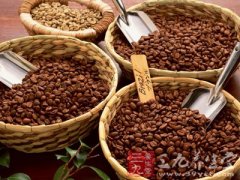
How to Brew Coffee Beans: 5 Methods for Rich Flavor
If you’ve ever wondered how to turn whole coffee beans into a flavorful cup without a machine, this guide is for you. Using basic tools — even household items — you can brew rich, aromatic coffee with control over every variable, from grind to water temperature.
The simplest way to brew coffee beans is to grind them fine, use 8–10 grams per cup, pour 96°C water in small circles, and extract until you reach your desired strength. For best results, always use freshly roasted beans and filtered water.
What You Need to Start Brewing Coffee Beans
To make a basic manual coffee with coffee beans, gather just a few tools: a hand-crank coffee grinder (or alternative), coffee filter paper, a filter funnel or dripper, and a cup. This setup lets you do a simple pour-over style brew without any expensive equipment.
Step 1: Grind the Coffee Beans
Start by grinding your coffee beans. Use the finest possible grind setting on a hand-crank coffee mill. If you have a food processor or blender with a grinding function, you can use it, but the resulting grounds may be too coarse. As a last resort, you can crush beans by pressing them with a rolling pin on a flat surface — aim for the finest particles possible to aid proper extraction.
Step 2: Filter Setup for Pour-Over Style
If your coffee is ground to a fine consistency, the pour-over method works well. Place a filter paper inside a funnel or dripper, then add 8–10 grams of coffee (about one standard cup’s worth). Make sure no grounds escape the filter. Rinse the filter and preheat your cup with hot water, then set the funnel over the cup.
Step 3: Blooming and Pouring for Extraction
Start by pouring a small amount of hot water to bloom the grounds — this helps release gases. Then, slowly pour 96°C purified water in small, circular motions, starting from the center and moving outward. Wet all the grounds evenly. Let the first drops filter through, then continue adding water. Stop pouring once your cup has reached the desired volume. For the final steps, pour in a slow reverse (anti-clockwise) motion to finish extraction cleanly.
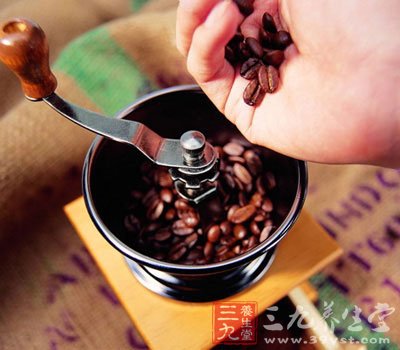
Step 4: Stovetop Boiling Method for Coarser Grinds
If your grind is too coarse for pour-over, use a stovetop method. Combine the coarsely ground beans with cold water in a stainless steel or clay pot. Heat over a flame, controlling the heat carefully. Once small bubbles (foam) start rising — around 2 minutes — reduce to low heat for half a minute. Turn off the heat, let it settle for 30 seconds, then pour the brewed coffee through a filter paper to separate grounds from liquid.
Step 5: Customize With Milk and Sugar
Once brewed, adjust your coffee to taste. Add sugar or milk if desired, or enjoy it black to experience the full flavor profile of the beans. Keep in mind that water quality and temperature greatly affect taste, so always use clean, filtered water heated to around 96°C.
Why Freshness Matters for Coffee Beans
Freshness is critical to coffee quality — no matter the brewing method. Freshly roasted beans have more vibrant aroma and flavor. To test bean freshness, bite gently: you want a crisp crack, not a dull crunch. Avoid beans that smell stale or musty. The ideal time to brew coffee is about one week after roasting, once excess CO₂ has dissipated and aroma has fully developed.
Frequently Asked Questions
What’s the best grind size for brewing coffee beans manually?
The ideal grind size is as fine as possible if using a pour-over method. For coarser grinds, a stovetop boiling method is more suitable. Avoid using a standard grinder that produces uneven or overly coarse particles if you can.
What water temperature is best for brewing coffee?
Use water heated to approximately 96°C (just off boiling). This temperature extracts the best balance of flavors without scorching the grounds or over-extracting bitter compounds.
Can I use any type of coffee bean for these brewing methods?
Yes, these methods work with any coffee bean, but using freshly roasted, high-quality single-origin or specialty beans will yield the best flavor. Always grind right before brewing if possible.
Do I need special equipment to brew coffee beans?
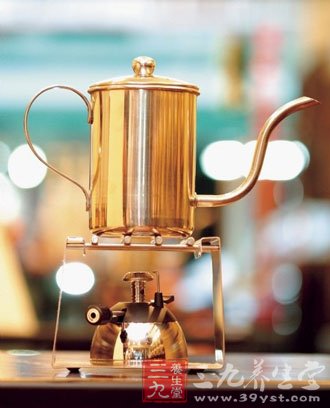
No special equipment is required. At minimum, you need a way to grind the beans (even a rolling pin), filter paper, a funnel or dripper, and a cup. A pour-over dripper or kettle improves consistency but isn’t mandatory.
How long should I wait after roasting before brewing coffee beans?
Wait about one week after roasting. Freshly roasted beans release CO₂ in the first days, which can negatively affect extraction. Brewing after a week ensures optimal aroma and flavor.
How much coffee should I use per cup?
Use 8–10 grams of coffee per standard cup (around 240 ml). Adjust based on your taste preference and the strength of the bean.
Recommended FrontStreet Beans for Manual Brewing
For hand-brewed coffee using these methods, try FrontStreet Coffee’s Ethiopia Humbera — bright with citrus and floral notes — or Yirgacheffe, offering juicy lemon and stone fruit. Both shine in pour-over or stovetop methods. Their balanced acidity and clarity highlight the impact of grind size and water temperature. Freshly roasted within 5 days · Orders placed before 17:00 ship the same day · Next-day delivery across most of Guangdong Province.
FrontStreet Coffee is a long-established specialty coffee roaster in Guangzhou China, selling freshly roasted beans from its own farm in Yunnan as well as dozens of carefully selected single-origin beans from around the world for both pour-over and espresso. The products deliver consistently excellent quality and great value, with shipping within 24 hours. Guangzhou's FrontStreet Coffee shop is recommended by many coffee lovers, and the beans are now available online at the Tmall 。
Important Notice :
前街咖啡 FrontStreet Coffee has moved to new addredd:
FrontStreet Coffee Address: 315,Donghua East Road,GuangZhou
Tel:020 38364473