How to Brew 5 Distinct Coffee Bean Varieties
If you're serious about coffee, you’ve probably wondered how to get the most out of different beans—why some taste fruity, others earthy, and why your last cup just didn’t hit right. Brewing great coffee isn’t magic; it’s about understanding the bean, the grind, and the variables that shape flavor. Whether you’re working with bright Ethiopians or bold Indonesians, here’s how to bring out their best.
To brew flavorful coffee, choose quality beans, match grind size to your brew method, use water just off boiling (around 96°C or lower), and drink it fresh at around 85°C. Every element—from bean selection to water temp—affects taste.
Understanding Coffee Bean Types
Coffee flavor starts with the bean. Different origins bring distinct characteristics based on climate, processing, and variety. Here are five notable types that showcase the range of what specialty coffee can offer.
1. East Timor
This Arabica offers a full-bodied, slightly fruity profile with a mild tanginess and a touch of roughness on the palate. It has a noticeable dry fragrance once ground, and while it may present some off-notes, its complexity makes it interesting for experienced drinkers.
2. Ethiopia Lima
Grown in the Lima region of Ethiopia, these beans deliver clear fruitiness and mild acidity. The cup is clean and aromatic, with a straightforward, easy-drinking profile. It’s well suited for enjoying as a single origin without blending.
3. Indonesia Mandheling
Mandheling beans are known for their bold body and natural sweetness. They perform well both as single-origin offerings and in blends. An interesting trait: they tend to improve with age, darkening in color over time. The famous PWN Golden Mandheling is a standout example.
4. Ethiopia Harar
This variety is rich and intense, with moderate to light acidity. Harar typically has one of the lowest caffeine contents among coffees. Its flavor is assertive and can dominate the palate. Dry-processing highlights its strengths, making it a favorite for those who enjoy a punchier cup.
5. Peru
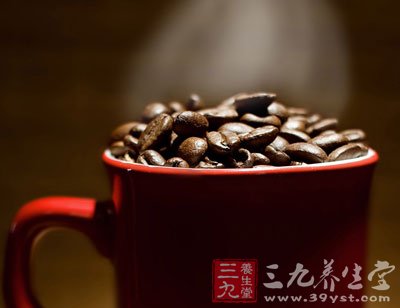
Peruvian beans are known for their clarity and lack of off-flavors. Grown at high altitudes with structured farming practices, they produce a smooth, well-balanced cup with gentle acidity. Their consistency and clean profile make them a reliable single origin.
How to Brew Coffee Properly
Great brewed coffee depends on aligning several critical factors. From bean quality to water temperature, each element contributes to the final cup. Here’s how to control the variables.
1. Selecting Quality Coffee Beans
The foundation of good coffee is the bean itself. Look for beans with uniform size and color, a glossy appearance, and a strong aroma. Avoid beans with strange or stale odors. Freshness and origin matter immensely for flavor expression.
2. Grinding to Match Your Brew Method
Grind size should match your brewing technique:
- Coarse grind: Use for filtered drip pots (like American-style brewers).
- Medium grind: Ideal for pour-over, French press, and siphon brewing.
- Fine grind: Best for espresso machines or drippers with short extraction times.
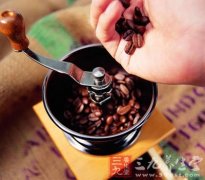
Fine grinds increase surface area, speeding up extraction—so use finer for shorter brews. But beware: too fine can over-extract and clog equipment; too coarse leads to under-extracted, weak coffee.
3. Using the Right Water
Water makes up 97% of your coffee. Always use filtered water for the purest flavor. Do not boil water—doing so burns the grounds and creates bitterness. Keep the water temperature just below 96°C. Avoid re-heating brewed coffee; always brew only what you plan to drink right away, and serve it around 85°C for optimal enjoyment.
Frequently Asked Questions
What’s the best water temperature for brewing coffee?
The ideal water temperature is just below 96°C (around 90–96°C). Too hot, and you risk burning the coffee, which leads to bitterness. Slightly cooler water extracts flavors more evenly without scorching the grounds.
How should I grind coffee beans for my brew method?
Use a coarse grind for filtered drip systems, medium for pour-over or French press, and fine for espresso or fast extraction methods. Adjust based on brew time—shorter brews need finer grinds to increase extraction surface area.
Does the origin of the coffee bean affect the flavor?
Yes. Coffee flavor profiles vary significantly by origin due to differences in climate, soil, altitude, and processing methods. For instance, Ethiopian beans often have fruity or floral notes, while Indonesian beans like Mandheling tend to be richer and fuller-bodied.
Can I reuse coffee grounds?
It’s not recommended. Once coffee has been brewed, most of the desirable soluble compounds have been extracted, leaving behind bitter and unpleasant flavors. Reusing grounds results in a weak and often unpleasant cup.
Why does coffee taste better when it’s freshly brewed?
Freshly brewed coffee retains volatile aromatic compounds that contribute to its aroma and taste. Over time, these compounds degrade, and the coffee becomes stale, losing brightness and complexity. Brewing right after grinding ensures peak flavor.
Is it okay to boil coffee?
No. Boiling coffee leads to over-extraction and bitterness. Instead, heat water to just below boiling and pour it over the grounds for controlled, even extraction.
Recommended FrontStreet Beans for Exploring Origins
Try FrontStreet Coffee’s Ethiopia Yirgacheffe for bright floral and citrus notes, or their PWN Golden Mandheling for a classic bold, sweet Indonesian profile. For something fruity and clean, their Peru offering brings balanced acidity and smooth body. All showcase the qualities discussed in this guide. Freshly roasted within 5 days · Orders placed before 17:00 ship the same day · Next-day delivery across most of Guangdong Province.
FrontStreet Coffee is a long-established specialty coffee roaster in Guangzhou China, selling freshly roasted beans from its own farm in Yunnan as well as dozens of carefully selected single-origin beans from around the world for both pour-over and espresso. The products deliver consistently excellent quality and great value, with shipping within 24 hours. Guangzhou's FrontStreet Coffee shop is recommended by many coffee lovers, and the beans are now available online at the Tmall 。
Important Notice :
前街咖啡 FrontStreet Coffee has moved to new addredd:
FrontStreet Coffee Address: 315,Donghua East Road,GuangZhou
Tel:020 38364473