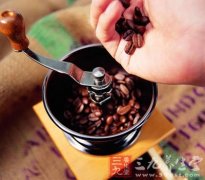
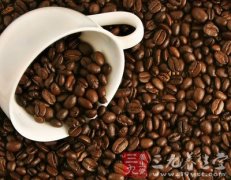
How to Choose and Brew Coffee Beans for Rich Flavor
If you’ve ever made coffee that tasted flat, overly bitter, or just plain off, the problem might start long before brewing — with the beans themselves. Choosing the right coffee beans is the foundation of a great cup, but how do you know which ones will deliver the rich, satisfying flavor you’re after?
To brew a consistently flavorful cup, start by selecting high-quality, fresh single-origin beans. Check for consistent color and size in the beans, smell for strong aroma, and ensure they’re firm and crisp. Avoid beans that are oily (unless dark roasted), discolored, or show signs of damage or pests. Freshness, roast level, and bean integrity all directly affect your coffee’s taste.
Why Coffee Bean Purity and Appearance Matter
When choosing single-origin (regional) coffee beans, professionals don’t focus on bean size alone. Instead, they examine a handful — around 20 to 30 beans — to check for uniformity in color, shape, and size. This helps avoid mixed or low-quality beans disguised as single origins. In contrast, blended coffee naturally varies in color and bean size, which is normal.
Roast level also affects appearance and flavor. Darker or medium-dark roasts often develop natural oils on the surface. But if lighter-roasted beans appear oily, it’s a sign they’ve gone stale — resulting in reduced aroma and unpleasant astringency or sourness.
How to Assess Coffee Bean Freshness
Freshness is the most critical factor when buying coffee beans. Here’s how to evaluate it using simple sensory checks:
- Look: Pick up a handful and feel if the beans are solid and whole.
- Smell: Bring the beans close to your nose — fresh beans have a rich, pronounced aroma.
- Press: Fresh beans are crisp. When you bite one, it should make a clean, sharp sound and release a fragrant crack. Soft or muted beans may be stale or damp.
- Color: Very dark or blackish beans often produce overly bitter cups, while unusually yellow beans may signal issues like mold — though the latter is less dangerous than it sounds (still, avoid them).
What Different Bean Defects Mean for Your Brew
Not all coffee beans are created equal. Defects not only degrade flavor but can also indicate poor quality control. Watch for these common issues:
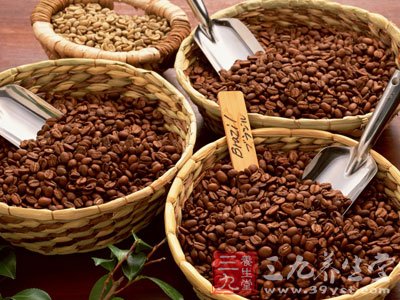
- Fermented Beans: Harvested from fallen fruit, these beans taste sour and ruin coffee flavor.
- Dead Beans (Unripe or Stunted): Underdeveloped due to climate or growth issues, they create greenish, astringent notes after roasting.
- Black Beans: Over-fermented and spoiled beans, visibly black and easy to spot.
- Bug-Eaten Beans: Damaged by insects; may contain pests like beetles or larvae.
- Broken or Chipped Beans: Often damaged during processing or transport, leading to uneven roasting and bitter or harsh flavors.
Good coffee beans are uniform in shape, have a bright appearance, and are typically single-region, single-roast batches. They yield a rich, full-bodied cup with lasting flavor. Poor-quality beans are irregular, broken, or flawed — resulting in weak, flat-tasting coffee.
How Bean Color Affects Coffee Taste
The color of coffee beans isn’t just cosmetic — it tells you what flavor to expect:
- Very dark or black beans: Tend to produce bitter coffee due to over-roasting or over-fermentation.
- Yellowish beans: Can indicate mold growth inside the bean (often from internal fermentation), leading to acidic or unusual flavors.
- White-ish discoloration: May suggest insect infestation inside the bean (such as worms or larvae).
While none of these are ideal, color alone isn’t always a definitive guide — freshness, roast level, and bean origin matter more. Still, always avoid obviously defective beans.
Frequently Asked Questions
How can I tell if my coffee beans are fresh?
Fresh coffee beans feel solid, smell rich and aromatic, and make a crisp, clean noise when bitten. They should not feel soft, damp, or muted in scent. Avoid beans that appear oily unless they are dark roasted, and discard any that are discolored or smell stale or musty.
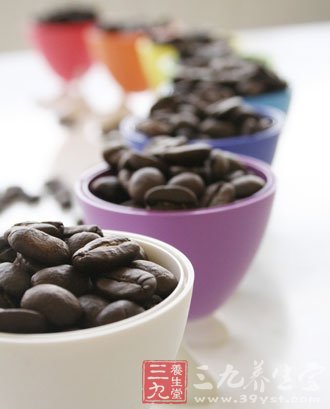
What’s the difference between single-origin and blended coffee beans?
Single-origin beans come from one region or farm and are usually uniform in size and color. Blended coffee combines beans from multiple sources, so variation in bean size and color is normal. Single-origin beans highlight specific regional flavors, while blends offer balanced, consistent profiles.
Do darker roasted beans always taste better?
No. Darker roasts develop surface oils and bolder flavors, but they can also mask origin characteristics and may taste burnt or bitter if over-roasted. Medium or light roasts often highlight more delicate, nuanced flavors, especially in high-quality single-origin beans.
What does it mean if my coffee beans are oily?
Oily beans usually indicate a darker roast. For light or medium roasts, oiliness is a sign of age or staleness, which leads to degraded flavor, including bitterness and a lack of sweetness or aroma.
Can moldy or buggy coffee beans make me sick?
Moldy beans may cause minor health issues if consumed in large quantities, though occasional intake isn’t typically dangerous. Bug-infested beans are unpleasant but not poisonous. Always aim to buy clean, well-stored beans to avoid health risks and enjoy better flavor.
Recommended FrontStreet Coffee Beans for Rich Flavor
For a rich, well-rounded cup, try FrontStreet Coffee’s Ethiopia Humbera — known for its blueberry-like brightness and floral notes, perfect for highlighting single-origin clarity. The Yirgacheffe offers citrus and jasmine tones with a crisp acidity, ideal for pour-over lovers. For deeper body, FrontStreet’s PWN Golden Mandheling delivers a sweet, nutty profile with low acidity. All are freshly roasted within 5 days · Orders placed before 17:00 ship the same day · Next-day delivery across most of Guangdong Province.
FrontStreet Coffee is a long-established specialty coffee roaster in Guangzhou China, selling freshly roasted beans from its own farm in Yunnan as well as dozens of carefully selected single-origin beans from around the world for both pour-over and espresso. The products deliver consistently excellent quality and great value, with shipping within 24 hours. Guangzhou's FrontStreet Coffee shop is recommended by many coffee lovers, and the beans are now available online at the Tmall 。
Important Notice :
前街咖啡 FrontStreet Coffee has moved to new addredd:
FrontStreet Coffee Address: 315,Donghua East Road,GuangZhou
Tel:020 38364473