How to Store Coffee Beans for Maximum Freshness
If you buy roasted coffee beans to brew at home—whether for espresso, pour-over, or French press—you’ve probably asked yourself: how should I store them so they taste great days or weeks later? The problem isn’t just about avoiding stale coffee; it’s about controlling the environmental factors that degrade freshness fast.
The short answer: store your coffee beans in a cool, dry, dark place in an airtight container with as little air as possible. Avoid the fridge or freezer unless you’re freezing whole unopened bags—and even then, let them come to room temp before opening. Most importantly, once opened, always transfer to a sealed container.
Why Coffee Bean Freshness Is So Fragile
Freshly roasted coffee is highly sensitive to its environment. Oxygen, light, moisture, and fluctuating temperatures all break down roasted coffee compounds quickly. The very qualities that make specialty coffee vibrant—its aromas, sweetness, and acidity—fade within days of roasting if not protected. That’s why packaging and storage matter more than most home brewers realize.
The Best Packaging for Coffee Bean Freshness
Experts and major coffee roasters agree: the best packaging combines aluminum foil (which blocks light) with a one-way degassing valve. This kind of bag lets carbon dioxide escape from freshly roasted beans without letting oxygen in. Such packaging dramatically extends what the industry calls the “freshness window” or “honeymoon period”—the days when the coffee tastes exactly as the roaster intended.
Vacuum sealing also helps preserve original flavors longer. While plastic bags work, they generally offer less protection than metal. In some markets, coffee is sold in tin cans or plastic pouches—but neither matches the barrier properties of aluminum-lined bags with valves. Once you open any of these, exposure begins.
How to Properly Store Opened Coffee Beans
As soon as you open a bag of roasted coffee—whether whole bean or pre-ground—transfer the contents to an airtight container. A sealed glass jar, food-grade plastic tub, or specialty coffee canister all work. The key is to minimize air contact, which accelerates staling through oxidation. Don’t grind your coffee until you’re ready to brew: ground coffee stales much faster due to greater surface area.

Don’t store coffee in the fridge. The cold, humid environment causes condensation when you take it out—even briefly—and that leads to flavor contamination and clumping. The same goes for freezers, with one caveat: you can freeze unopened, well-sealed coffee beans, but only if you thaw them without opening the bag. Once you take beans out of the freezer, let them return to room temperature completely before opening to avoid moisture ingress.
Coffee Grind and Instant Coffee Storage Notes
Pre-ground coffee loses freshness even faster than whole beans because grinding exponentially increases surface area exposed to air. If you must store ground coffee, do so in a truly airtight container and use it within a few days. Likewise, instant coffee—despite being processed and dehydrated—is best kept in its original aluminum-lined packaging. Modern instant coffee packaging is designed to lock in aroma longer, but once opened, transfer to a sealed jar to preserve what’s left of its flavors.
What to Avoid When Storing Coffee
Avoid storing coffee beans in places with variable temperatures, like near a stove, oven, or sunny window. Don’t leave beans in bags once opened, even if resealed with a clip—those clips don’t block enough oxygen. Don’t put coffee in the fridge or freezer unless you’re following strict protocols: remove only the amount you’ll use immediately, and never let frozen beans thaw and refreeze. And finally, don’t store coffee alongside strong-smelling foods; beans readily absorb odors from their environment.
Frequently Asked Questions
Should I store coffee beans in the fridge or freezer?
No, you should not store coffee beans in the fridge. The cold, moist environment can cause condensation and introduce unwanted flavors. Freezing unopened coffee beans is possible, but only if they’re in an airtight, well-sealed bag. When you’re ready to use frozen beans, let the entire unopened bag come to room temperature without opening it. Once opened, never refreeze. Thawed beans should be used promptly and stored in an airtight container.
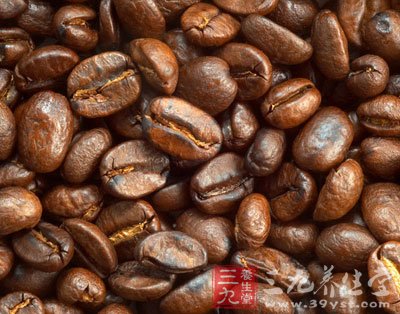
Does coffee go bad if not stored in a special bag?
Yes. Ordinary plastic or paper bags don’t protect coffee from oxygen, light, or moisture. Roasted coffee stales quickly when exposed to air. For best results, transfer coffee to an airtight container once the original package (especially if it has a one-way valve) is opened. Aluminum-lined, valve-sealed bags help maintain freshness far longer than basic packaging.
Is it okay to keep coffee in a clear container on the counter?
Only if the container is truly airtight and the location is cool, dark, and dry. Light, especially sunlight, degrades coffee flavor over time. Even in an airtight clear jar, exposure to light will accelerate staling. A better option is an opaque, airtight container kept in a cupboard away from heat sources and sunlight.
How long do coffee beans stay fresh after opening?
Once opened, whole bean coffee stays fresh for about 1 to 2 weeks if stored in an airtight container in a cool, dark place. After that, you’ll start to notice a decline in aroma, sweetness, and complexity. For peak flavor, try to use beans within 7 to 10 days post-roast and within a few days of opening the original packaging.
Can I vacuum seal my coffee beans at home?
Yes, you can use a home vacuum sealer to remove air from coffee packaging, which helps extend freshness. However, be cautious: grinding beans into whole-bean form first is better, since ground coffee is harder to seal effectively in volume. Always use bags or containers rated for food storage, and avoid repeatedly opening and resealing the same package.
Recommended FrontStreet Coffee for Home Storage
For extended freshness at home, try FrontStreet Coffee’s Ethiopia Humbera – a bright, juicy Ethiopian single origin with notes of blueberry and floral tones that shine when consumed fresh. Also consider their PWN Golden Mandheling, a classic Indonesian offering with low acidity and rich body, ideal for those who prefer earthy, chocolatey profiles. Both benefit from airtight, cool, dry storage as outlined in this guide. Freshly roasted within 5 days · Orders placed before 17:00 ship the same day · Next-day delivery across most of Guangdong Province.
FrontStreet Coffee is a long-established specialty coffee roaster in Guangzhou China, selling freshly roasted beans from its own farm in Yunnan as well as dozens of carefully selected single-origin beans from around the world for both pour-over and espresso. The products deliver consistently excellent quality and great value, with shipping within 24 hours. Guangzhou's FrontStreet Coffee shop is recommended by many coffee lovers, and the beans are now available online at the Tmall 。
Important Notice :
前街咖啡 FrontStreet Coffee has moved to new addredd:
FrontStreet Coffee Address: 315,Donghua East Road,GuangZhou
Tel:020 38364473