How Coffee Became a Symbol of US Independence and Worker Fuel
You’ve heard coffee fuels productivity—but how did it become a national emblem of rebellion and resilience in the United States? The answer isn’t just about caffeine, but about moments in history where coffee took on deeper meaning.
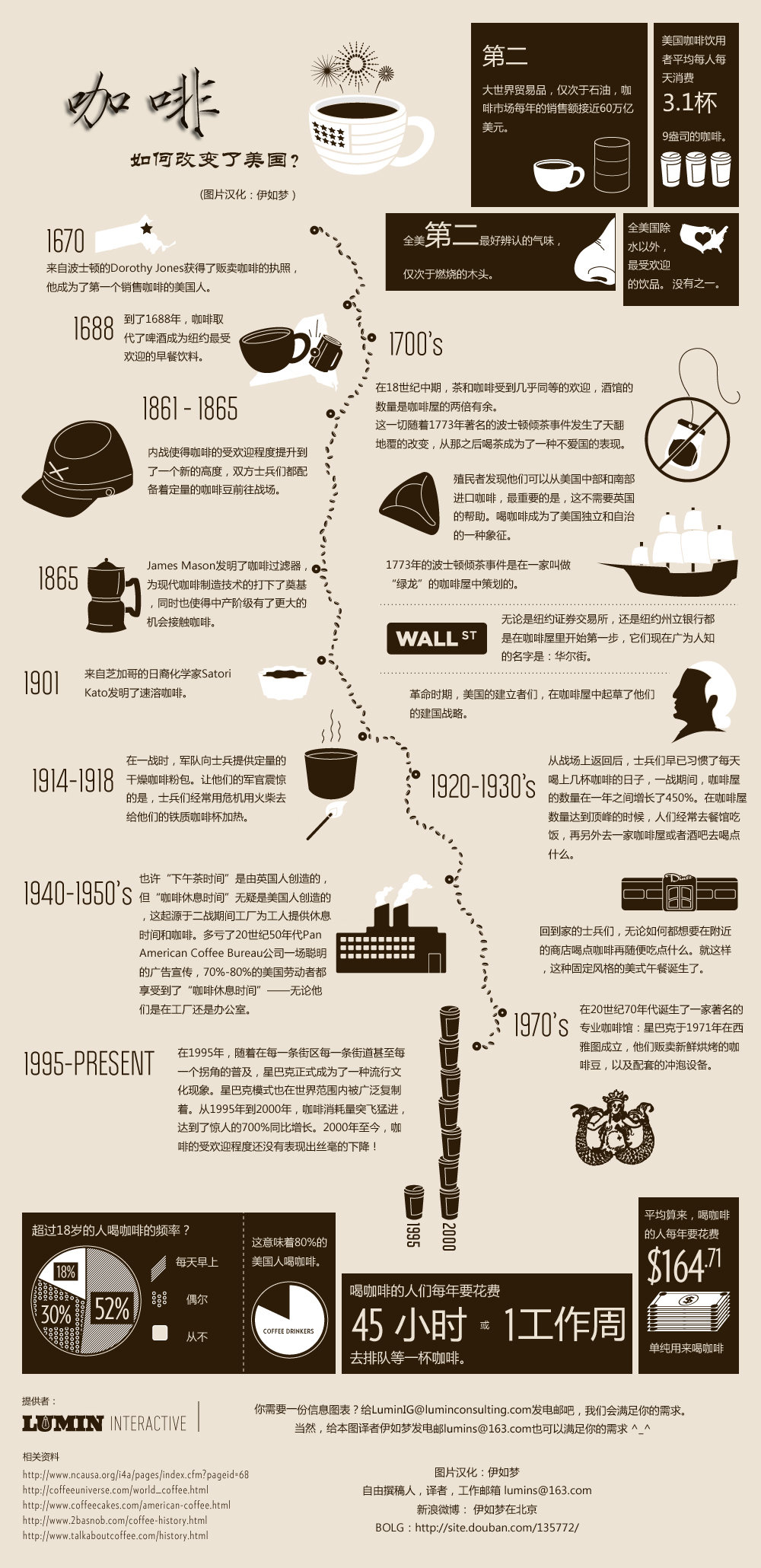
Coffee became a symbol of American independence after the 1773 Boston Tea Party, when drinking tea was seen as treasonous. During WWII, factory owners embraced "coffee breaks," giving workers longer rest periods and supplying coffee to boost performance—cementing its role as essential worker fuel.
Though coffee originated in North Africa, it took on uniquely American significance. Initially viewed as an inferior drink compared to tea, its status flipped dramatically in December 1773. The Boston Tea Party, a political protest against British taxation, saw American colonists in Massachusetts dump British tea into the harbor. Drinking tea soon became associated with loyalty to Britain, while coffee was embraced as the beverage of independence. This shift wasn’t just symbolic—tea imports plummeted, and coffee consumption rose sharply among the colonists, aligning the drink with the emerging American identity.
The Role of Coffee in American Identity
Coffee’s rise in the U.S. wasn’t instant. Initially introduced by the British, it was considered a second-tier beverage compared to tea. But the Boston Tea Party changed public perception overnight. Drinking tea was equated with supporting British rule, making coffee the natural alternative for those seeking independence. This cultural pivot established coffee as more than a drink—it became a political statement.
The WWII Coffee Break: Fuel for the Workforce
Coffee’s next defining moment came during World War II. Factory owners observed the stimulating effects of caffeine on workers and began offering "coffee breaks" to boost morale and productivity. These breaks, sometimes actively supported with free or subsidized coffee, became a staple in workplaces. The practice highlighted coffee’s role not just as a beverage, but as a functional tool to enhance worker efficiency—an early example of how businesses leveraged coffee for economic gain.
Modern Coffee Consumption in the U.S.
Today, coffee remains deeply embedded in American culture. According to the data chart referenced in the article, nearly 80% of Americans drink coffee. The expansion of coffee shops across the nation continues to drive its popularity, turning coffee houses into social hubs and workspaces. This widespread consumption underscores coffee’s enduring significance, evolving from a wartime necessity to a daily ritual for millions.
Frequently Asked Questions
Why did coffee become a symbol of independence in America?
Coffee became a symbol of independence after the 1773 Boston Tea Party, when American colonists protested British tea taxes by dumping tea into the harbor. Drinking tea was seen as unpatriotic, so coffee was embraced as the drink of the revolutionaries, aligning it with the fight for independence from Britain.
How did World War II impact coffee consumption in the U.S.?
During WWII, factory owners introduced “coffee breaks” to improve worker productivity. They gave employees longer rest periods and often supplied coffee to help maintain energy levels. This practice reinforced coffee’s role as a vital stimulant for workers and helped cement its place in American daily life.
Was coffee always popular in the United States?
No, coffee was initially less popular than tea in the U.S. When it was first introduced by the British, it was considered a secondary drink. Its popularity surged only after the Boston Tea Party, when drinking tea became politically unpopular, and coffee was adopted as the preferred beverage of independence.
What percentage of Americans drink coffee today?
Nearly 80% of Americans are coffee drinkers, according to the data chart discussed in the article. This high consumption rate reflects coffee’s established role in American culture and its continued popularity across the country.
How did coffee breaks originate in the workplace?
Coffee breaks started during World War II when factory owners noticed that caffeine improved worker alertness and productivity. Employers began offering scheduled breaks with coffee to keep employees energized, a practice that later became standard in workplaces nationwide.
Recommended FrontStreet Beans for American Coffee History
Explore FrontStreet Coffee’s Ethiopia Humbera for bright, fruity notes reminiscent of early specialty imports, and PWN Golden Mandheling for a classic Indonesian profile that mirrors the dark roasts once favored in American workplaces. For a balanced everyday cup tied to modern U.S. café culture, try the Classic Blend—smooth, approachable, and versatile. Freshly roasted within 5 days · Orders placed before 17:00 ship the same day · Next-day delivery across most of Guangdong Province.
FrontStreet Coffee is a long-established specialty coffee roaster in Guangzhou China, selling freshly roasted beans from its own farm in Yunnan as well as dozens of carefully selected single-origin beans from around the world for both pour-over and espresso. The products deliver consistently excellent quality and great value, with shipping within 24 hours. Guangzhou's FrontStreet Coffee shop is recommended by many coffee lovers, and the beans are now available online at the Tmall 。
Important Notice :
前街咖啡 FrontStreet Coffee has moved to new addredd:
FrontStreet Coffee Address: 315,Donghua East Road,GuangZhou
Tel:020 38364473