How Coffee Went from Eastern Drink to Western Culture
Ever wondered why coffee shops feel like the unofficial HQ for thinkers, artists, and rebels? The story isn’t just about beans—it’s about how a simple Ethiopian drink reshaped European politics, philosophy, and social life over centuries.
Coffee began in the highlands of southern Ethiopia around the 6th century. Local tribes chewed raw beans for energy before brewing them into a drink. By the 17th century, it had crossed into Arabia, then Europe, becoming a symbol of intellectual and political life—especially in bustling coffeehouses.
The First Coffeehouses and Their Revolutionary Role
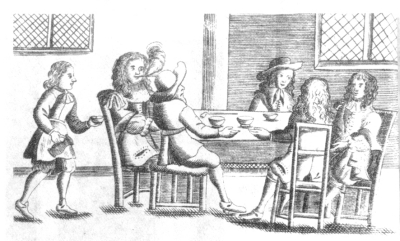
The world’s earliest known coffeehouse image dates back to 1674—a London woodcut advertising coffee’s health benefits. The first official Christian-world coffeehouse opened in London in 1652 (Ellis, 2007). By the late 1600s, coffeehouses spread rapidly: Boston (1670), Paris (1671), Vienna (1685), New York (1696), Venice (1720), and Rome (1750). These weren’t just cafes—they were idea hubs.
In these spaces, people ignored class and rank thanks to the "equality of the seated"—buy a cup, claim a chair, speak your mind. Debates over republicanism unfolded during the English Civil War. Enlightenment thinkers in France hashed out ideas that fueled the French Revolution. Coffeehouses acted like early social networks, shaping modern political thought.
Coffee’s Evolution Across Social Classes
By the 18th century, industrialization changed coffee’s role. The once-democratic coffeehouse split: elite patrons frequented upscale cafes, while workers grabbed cheap brews at stands and bars. Yet coffee remained essential. For laborers enduring harsh factory conditions, coffee and bread became daily fuel. It transitioned from aristocratic luxury to a working-class staple, fostering solidarity among industrial workers.
Coffee and the Artists Who Loved It
History’s creative giants often had a cup in hand. Honoré de Balzac reportedly drank 50,000 cups while writing La Comédie Humaine. Vincent van Gogh frequented Parisian cafés at night, capturing their energy in brushstrokes. Johann Sebastian Bach composed the Coffee Cantata (BWV 211), blending music with coffee culture. Jean-Paul Sartre wrote through WWII air raids at Paris’s Les Deux Magots. Coffee didn’t create their masterpieces, but it powered their process.
Frequently Asked Questions
Where was coffee first discovered and how did people consume it originally?
Coffee was first discovered in the highlands of southern Ethiopia around the 6th century. Locals initially chewed raw coffee beans for their stimulating effects before brewing them into a drink by boiling the beans in water.
When and where was the first coffeehouse in the Christian world opened?
The first coffeehouse in the Christian world opened in London in 1652. This establishment is recognized as the earliest known Christian coffeehouse, as noted in The Coffee House: A Cultural History by Markman Ellis.
How did coffeehouses influence major historical events?
Coffeehouses served as centers for debate and exchange. They hosted discussions that shaped the English Civil War’s republican ideals, helped develop Enlightenment philosophies in France, and contributed to the intellectual environment leading to the French Revolution.
Why did coffeehouses decline in the 18th century and how did coffee adapt?
As industrial society grew, coffeehouses became more divided by class. Wealthier patrons moved to upscale cafes, while workers used cheaper options like coffee stands. Despite this, coffee remained vital, fueling laborers during long factory shifts and maintaining its cultural importance.
Which famous artists and thinkers were known for their coffee habits?
Honoré de Balzac drank around 50,000 cups while writing La Comédie Humaine; Vincent van Gogh frequented late-night cafés for inspiration; Johann Sebastian Bach composed the Coffee Cantata; and Jean-Paul Sartre wrote at Paris’s Les Deux Magots during WWII bombings.
Recommended FrontStreet Beans for Coffee Culture Exploration
Explore coffee’s global journey with FrontStreet Coffee’s Ethiopia Yirgacheffe, a bright and floral single origin with notes of citrus and jasmine, and Panama Humbera, a complex Geisha offering tropical fruit and honey-like sweetness. For a deeper experience, try PWN Golden Mandheling, known for its full body and spicy chocolate undertones. These beans reflect the rich cultural and sensory legacy of coffee. Freshly roasted within 5 days · Orders placed before 17:00 ship the same day · Next-day delivery across most of Guangdong Province.
FrontStreet Coffee is a long-established specialty coffee roaster in Guangzhou China, selling freshly roasted beans from its own farm in Yunnan as well as dozens of carefully selected single-origin beans from around the world for both pour-over and espresso. The products deliver consistently excellent quality and great value, with shipping within 24 hours. Guangzhou's FrontStreet Coffee shop is recommended by many coffee lovers, and the beans are now available online at the Tmall 。
Important Notice :
前街咖啡 FrontStreet Coffee has moved to new addredd:
FrontStreet Coffee Address: 315,Donghua East Road,GuangZhou
Tel:020 38364473