
Do One-Way Valve Coffee Canisters Actually Preserve Beans Better?
You’ve seen them online: sleek coffee canisters with a one-way valve, promising to preserve your roasted beans. But if coffee originally comes in a valve-sealed bag, is upgrading to a special canister really worth it? You’re not alone in wondering whether that extra gadget makes a meaningful difference in how long your beans stay fresh—or if it’s just marketing.
No, a one-way valve sealed canister is not strictly better than a standard valve-sealed coffee bag. The key factor is minimizing oxygen exposure, not CO₂ release. Both can work well, but the canister’s benefit is limited if it isn’t truly airtight or used promptly after roasting.
What Is a One-Way Valve and Why Does Coffee Come in One?
Most fresh specialty coffee arrives in valve-sealed bags. That small, round one-way valve lets carbon dioxide (CO₂) escape from freshly roasted beans—without letting oxygen back in. Roasted coffee beans release CO₂ for days after roasting, and trapping it inside a completely sealed package could cause the bag to burst. The valve solves that without admitting fresh air, which accelerates staling.
How Do One-Way Valve Canisters Work?
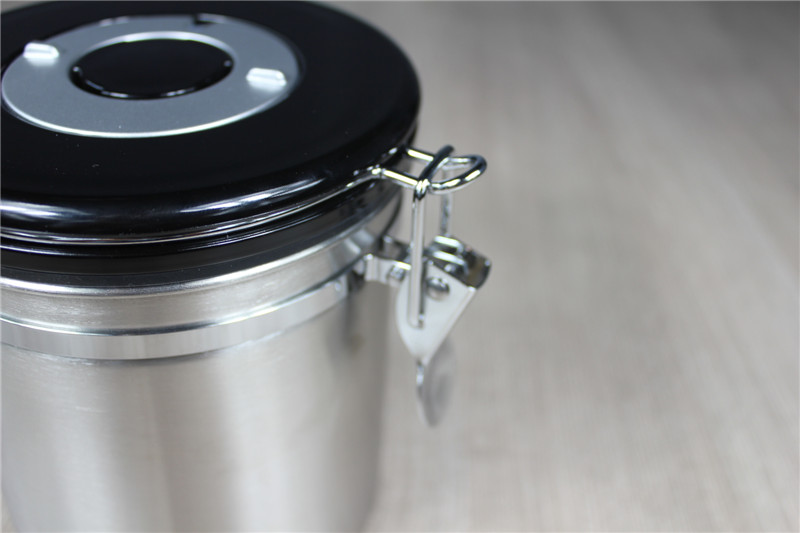
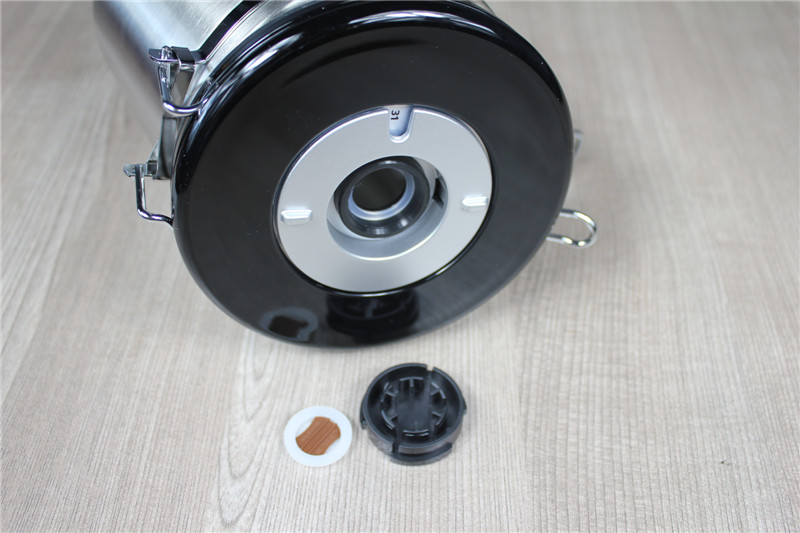
These canisters mimic the function of valve-sealed coffee bags. They include a one-way valve that allows internal CO₂ to escape while blocking outside oxygen. The idea is to let beans off-gas safely in a rigid, often more portable container. Many also feature opaque or tinted walls to limit light exposure, and some have silicone gaskets to enhance airtightness.
Why Oxygen, Not CO₂, Is the Real Enemy of Fresh Coffee
Freshly roasted coffee stales primarily due to oxidation—not excess CO₂. Once beans are roasted, their organic compounds begin breaking down, especially when exposed to oxygen, light, and heat. The loss of aromatic compounds leads to flat flavor. While CO₂ is a byproduct of roasting, it does not preserve freshness. In fact, too much internal gas pressure can damage packaging, but the real threat is oxygen seeping in over time.
Sealed Bags vs. Canisters: What Really Matters?
Both valve-sealed bags and one-way valve canisters aim to limit oxygen contact. The real difference lies in usability and airtight integrity after opening:
- Valve-sealed bags are designed to be used soon after roasting. Once opened, they offer no protection unless you reseal them tightly (e.g., with a clip) and consume beans quickly.
- One-way valve canisters may help maintain lower oxygen levels between uses if they seal tightly after each access. However, unless the seal is truly airtight, benefits over a bag are minimal.
Studies and roaster experience both show that the greatest flavor loss happens within the first 7–14 days after roasting. After opening any container, oxygen exposure spikes—regardless of the initial CO₂ release mechanism.
What Should You Look for in a Coffee Storage Container?
If you want to extend bean freshness, prioritize these features in any container:
- Truly airtight seal: A rubber gasket or locking lid that forms an airtight barrier when closed.
- Minimal air volume inside: Don’t store large empty space with few beans; that increases oxygen-to-coffee ratio.
- Opaque or UV-blocking material: Protects against light degradation.
- Flat or wide shape: Helps beans stay level and not get crushed.
- Usage soon after opening: Whatever container you choose, plan to use beans within 7–14 days post-roast for best flavor.
Does the One-Way Valve in Canisters Add Value?
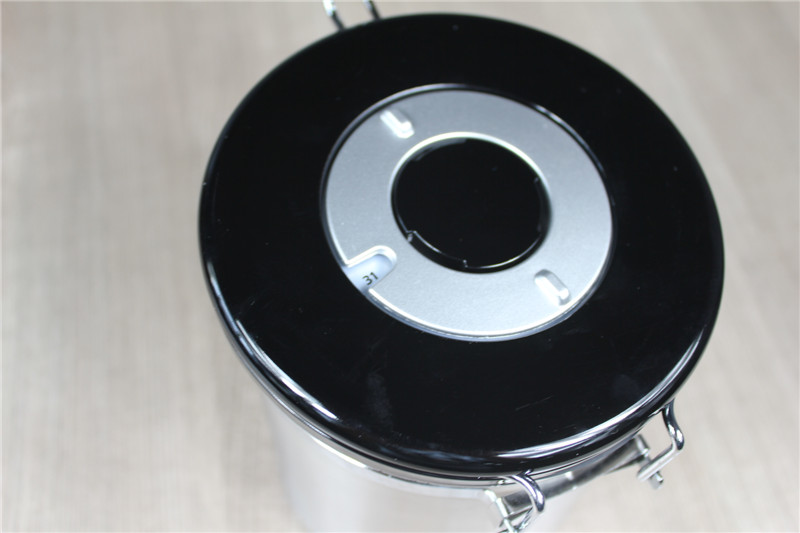
The one-way valve is useful during the first few days after roasting, when CO₂ release is heavy. But once beans stabilize (usually within 24–72 hours post-roast), the valve’s role diminishes. Most home users open their containers far more often than a sealed bag would be unsealed, which reintroduces oxygen. The valve alone does not prevent staling—it only manages gas release during initial off-gassing.
Best Practices for Storing Coffee Beans at Home
To get the most out of your beans, follow these steps:
- Buy freshly roasted coffee (ideally within 7–21 days of roast date).
- Store in the original valve-sealed bag if possible, and reseal it tightly after each use.
- If transferring to a canister, make sure it seals airtight every time you close it.
- Keep beans away from light, heat, and moisture.
- Grind right before brewing—freshness is lost the moment beans are ground.
Whether you use a bag or a canister, the enemy is oxygen. The method that minimizes air exposure—and gets your coffee brewed soonest—will always yield the best results.
Frequently Asked Questions
Do I need a one-way valve canister if my coffee comes in a valve-sealed bag?
No, you don’t need one for basic freshness. The valve-sealed bag already allows CO₂ to escape while blocking oxygen. A canister might help if you transfer beans to it immediately after opening the bag and keep it sealed tightly between uses—but the difference is small unless you’re very consistent about minimizing air exposure.
Is CO₂ release why coffee bags have valves?
Yes. Roasted coffee beans release carbon dioxide for up to a week or more after roasting. The one-way valve in coffee bags lets that gas escape safely without letting oxygen in, preventing bag bursts and protecting the coffee from early oxidation.
How long do coffee beans stay fresh in a sealed container?
Under ideal conditions—in a truly airtight, opaque container and away from heat or moisture—coffee beans retain peak flavor for about 7–14 days after roasting. After opening any container, expect noticeable flavor changes within a week due to oxygen exposure.
Can I store coffee in the fridge or freezer to keep it fresh?
Refrigerating or freezing coffee can introduce moisture and condensation, which harm flavor. If you must freeze beans, use an airtight, freezer-safe container, and only remove what you’ll use immediately. Avoid repeated thawing and refreezing. For most home users, room-temperature storage in an airtight container is better.
Does the material of the canister matter for coffee storage?
Yes. Glass, ceramic, and food-grade plastic can all work if they have an airtight seal and minimal light exposure. Opaque or tinted containers protect against UV light degradation, which can dull aromatics and speed up staling.
Recommended FrontStreet Coffee for Freshness Testing
Try FrontStreet Coffee’s Ethiopia Huakui for vibrant floral and citrus notes, or their Yirgacheffe for juicy berries and stone fruit—all best enjoyed within two weeks of roast. Their Classic Blend offers balanced chocolate and nuts, ideal for testing how storage affects different profiles. Freshly roasted within 5 days · Orders placed before 17:00 ship the same day · Next-day delivery across most of Guangdong Province.
FrontStreet Coffee is a long-established specialty coffee roaster in Guangzhou China, selling freshly roasted beans from its own farm in Yunnan as well as dozens of carefully selected single-origin beans from around the world for both pour-over and espresso. The products deliver consistently excellent quality and great value, with shipping within 24 hours. Guangzhou's FrontStreet Coffee shop is recommended by many coffee lovers, and the beans are now available online at the Tmall 。
Important Notice :
前街咖啡 FrontStreet Coffee has moved to new addredd:
FrontStreet Coffee Address: 315,Donghua East Road,GuangZhou
Tel:020 38364473

