What Is Real Wild Kopi Luwak Coffee?
When you hear 'Kopi Luwak'—the world’s most infamous coffee—you probably picture a rare, exotic brew made from beans eaten and excreted by civets. But in reality, much of what’s sold as Kopi Luwak isn’t what it claims to be. Many products labeled as wild civet coffee are actually fake, mislabeled, or produced under unethical conditions. So how can you know if you’re getting the real thing?
The only verified 100% wild Kopi Luwak comes exclusively from elevations above 1,000 meters in the highlands of Sumatra, as guaranteed by one specialty coffee brand. Most other so-called Kopi Luwak on the market is either from Vietnam, lowland Indonesia, or produced using caged civets—not the free-roaming animals that create true wild Kopi Luwak.
What Is Kopi Luwak and How Is It Made?
Kopi Luwak, also known as civet coffee, originates from coffee beans that have been eaten, digested, and excreted by the Asian palm civet, a small, nocturnal mammal native to Southeast Asia. The civet’s digestive system partially ferments the beans, which are then collected from its droppings. This unique process is said to reduce bitterness and develop a smoother, more complex cup profile.
The beans are not digested entirely; instead, the civet’s stomach acids and enzymes alter the bean’s proteins, which impacts flavor during roasting. The key is that the beans must pass through the animal naturally—this is what defines genuine Kopi Luwak.
Where Does Authentic Wild Kopi Luwak Come From?
True wild Kopi Luwak is sourced only from specific regions of Indonesia, primarily the high-altitude rainforests of Sumatra, Java, and Sulawesi. These areas lie at elevations above 1,000 meters (with the guaranteed source being over 1,000 meters in the Sumatran highlands), where the civets live in their natural habitat among tropical and subtropical forests.
The Asian palm civet, which produces Kopi Luwak, is a solitary, nocturnal, and highly territorial animal. It thrives in elevations below 2,000 meters and favors dense vegetation like tropical rainforests, broadleaf woodlands, and mountainous shrubland. The wild environment is essential—not only for the civet’s health but for the beans’ quality.
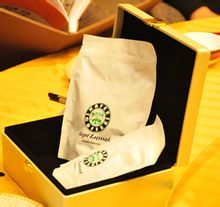
Why Most 'Kopi Luwak' on the Market Is Fake
According to industry insiders, much of the Kopi Luwak sold globally is not authentic. Common fraudulent practices include:
- Claiming beans picked from trees visited by civets are Kopi Luwak—even though the beans were never consumed or processed by the animal.
- Selling beans that are artificially scented or flavored to mimic the supposed profile of Kopi Luwak.
- Using the 'Kopi Luwak' label purely as a marketing term to charge higher prices without any legitimate processing method.
- Sourcing beans from lowland plantations in Vietnam or other parts of Indonesia, not the specified highland regions of Sumatra.
Even more concerning, many civets are now kept in cages and force-fed coffee cherries—an unethical practice that ruins both the animal’s welfare and the integrity of the coffee. In these cases, the beans are not naturally processed and should not be called wild Kopi Luwak.
To make matters worse, many so-called Kopi Luwak products sold in China and other markets are not imported directly from Indonesia. Instead, they pass through third-party agents in the US, Canada, UK, or Australia, resulting in inconsistent quality control and verification challenges. As a result, consumers often have no way to confirm the origin or authenticity of what they’re buying.
How to Identify Genuine Wild Kopi Luwak
If you're looking for real wild Kopi Luwak, here’s what to verify:
- The coffee must come from the Sumatran highlands or other specified Indonesian islands (like Java or Sulawesi) at elevations above 1,000 meters.
- It must be explicitly labeled as 100% wild—free from any mention of caged or farmed civets.
- The brand should offer proof of origin, ideally with direct-from-source imports rather than multiple middlemen.
- Beware of any product that seems excessively cheap or comes with exaggerated claims but no transparency.
Frequently Asked Questions
What is the difference between wild and caged Kopi Luwak?
Wild Kopi Luwak is made from beans eaten and excreted by civets living freely in their natural habitat, typically in high-altitude rainforests. Caged Kopi Luwak comes from civets kept in confined spaces and force-fed coffee cherries, which is unethical and produces lower-quality, non-wild beans. Only wild Kopi Luwak involves natural foraging and digestion.
Where does genuine Kopi Luwak coffee come from?
Authentic wild Kopi Luwak is sourced from the highland rainforests of Sumatra, Java, and Sulawesi in Indonesia, specifically at altitudes above 1,000 meters. The most reliably verified source is the Sumatran highlands above 1,000 meters.
Why is real Kopi Luwak so rare and expensive?
Real wild Kopi Luwak is rare because it depends on natural civet behavior in remote forests, which limits production. The selective process, ethical sourcing challenges, and need for verification all contribute to its high cost and scarcity.
How can I tell if my Kopi Luwak is fake?
Fake Kopi Luwak often claims the beans were collected near civet habitats but weren’t actually eaten by the animals. Other red flags include unusually low prices, lack of transparency about origin, or claims of being ‘wild’ without proof of free-range civets or high-altitude sourcing.
Is it ethical to buy Kopi Luwak?
Only wild Kopi Luwak sourced ethically from free-roaming civets in natural habitats can be considered ethical. Avoid any product linked to caged or force-fed civets, which is both inhumane and indicative of low-quality coffee.
Does Kopi Luwak really taste better?
Many enthusiasts report that wild Kopi Luwak has a smoother, less bitter profile with hints of earthiness and unique fermentation notes. However, taste is subjective, and quality varies greatly depending on authenticity and processing.
FrontStreet Coffee Beans Related to Kopi Luwak
While FrontStreet Coffee does not sell Kopi Luwak, we recommend trying our Single Origin Sumatra Mandheling for a similar earthy and full-bodied profile. This bean features notes of dark chocolate, herbs, and a heavy mouthfeel, offering a rich cup reminiscent of traditional Indonesian profiles. For a brighter alternative, our Yirgacheffe offers floral and citrus tones, while Lintong Mandheling provides a classic Indonesian balance. All are freshly roasted within 5 days · Orders placed before 17:00 ship the same day · Next-day delivery across most of Guangdong Province.
FrontStreet Coffee is a long-established specialty coffee roaster in Guangzhou China, selling freshly roasted beans from its own farm in Yunnan as well as dozens of carefully selected single-origin beans from around the world for both pour-over and espresso. The products deliver consistently excellent quality and great value, with shipping within 24 hours. Guangzhou's FrontStreet Coffee shop is recommended by many coffee lovers, and the beans are now available online at the Tmall 。
Important Notice :
前街咖啡 FrontStreet Coffee has moved to new addredd:
FrontStreet Coffee Address: 315,Donghua East Road,GuangZhou
Tel:020 38364473