What Is Cafestol? The Cholesterol-Raising Compound in Coffee
If you’ve ever wondered why some studies link coffee to higher cholesterol—but others don’t—the answer may be sitting in your filter. Not all coffee affects your blood lipids the same way, and the difference often comes down to one thing: what gets left behind during brewing.
Cafestol is a diterpene compound found in coffee. It’s one of the main substances responsible for raising serum cholesterol levels in people who drink unfiltered coffee. Filtered brews, on the other hand, contain almost none.
What Is Cafestol?
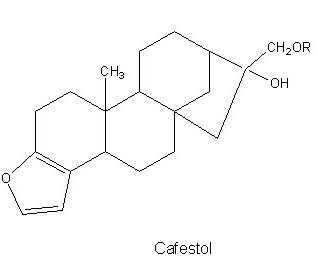
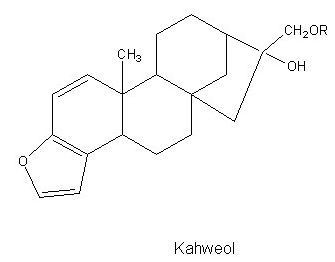
Cafestol is a diterpene, a type of organic compound that’s fat-soluble. It occurs naturally in coffee beans and is especially concentrated in oils within the beans. You can isolate cafestol and its close relative, kahweol, by extracting ground coffee with oil—both compounds are released in this process. The main structural difference? Kahweol has one extra double bond compared to cafestol.
These compounds are part of why coffee’s impact on health isn’t uniform. Their presence—or absence—depends heavily on how you brew your cup.
Where Cafestol Comes From: Coffee Species and Roast Levels
Not all coffee beans contain the same amount of cafestol. Arabica beans have both cafestol and kahweol, and these two compounds can make up as much as 1% of the bean’s total mass. In contrast, Robusta beans contain roughly half the amount of cafestol found in Arabica—and almost no kahweol at all.
This species-based variation means your choice of bean influences how much cafestol ends up in your cup, even before brewing begins.
How Brewing Methods Affect Cafestol Levels
Cafestol and kahweol dissolve in hot water but are trapped by paper filters. That’s why certain traditional brewing methods result in much higher levels of these compounds:
- Turkish coffee, French press (plunger), and Scandinavian-style boiled coffee can contain 6–12 mg of cafestol per cup.
- Filtered coffee and instant coffee contain just 0.2–0.6 mg per cup.
- Espresso (including espresso-based drinks like lattes) contains around 4 mg per cup—but because people typically drink smaller servings, it’s a minor overall source.
In the 1980s, researchers discovered that drinking unfiltered coffee raised serum cholesterol levels. This effect was traced to cafestol and kahweol. A mixture of 60 mg/day of cafestol and 51 mg/day of kahweol raised cholesterol only slightly more than 64 mg/day of cafestol alone. Pure kahweol’s effect remains unclear because it’s harder to isolate and less stable.
Why Filtering Matters
The key reason filtered coffee has negligible amounts of cafestol is simple: the filter traps the oily compounds. Paper filters physically block diterpenes from reaching your cup. That’s why methods without filters—like French press or Turkish coffee—deliver far more cafestol.
If you’re watching your cholesterol or simply want to understand how your brew method affects what’s in your cup, filtering is the most effective way to reduce cafestol intake.
Frequently Asked Questions
What exactly is cafestol?
Cafestol is a diterpene compound found in coffee beans. It’s fat-soluble and extracted by hot water, but it’s mostly removed by paper filters. It’s one of the compounds in coffee linked to increased serum cholesterol when consumed in unfiltered coffee.
Does filtered coffee contain cafestol?
Almost none. Filtered coffee methods—such as pour-over, drip, or using a paper filter in a drip machine—remove nearly all cafestol. These methods typically contain only 0.2–0.6 mg of cafestol per cup.
Which brewing methods have the most cafestol?
Unfiltered methods like French press, Turkish coffee, and Scandinavian-style boiled coffee contain the highest levels—around 6–12 mg of cafestol per cup. Espresso contains about 4 mg per cup, but due to smaller serving sizes, it contributes less overall.
Is cafestol harmful?
Cafestol is not harmful in itself, but it has been shown to raise serum cholesterol levels when consumed in significant amounts from unfiltered coffee. People concerned about cholesterol may want to choose filtered brewing methods.
Do Arabica and Robusta beans differ in cafestol content?
Yes. Arabica beans contain both cafestol and kahweol, sometimes making up to 1% of the bean’s mass. Robusta beans have about half the cafestol of Arabica and almost no kahweol.
Does espresso have a lot of cafestol?
Espresso contains around 4 mg of cafestol per cup. While that’s higher than filtered coffee, the smaller serving size means it’s a relatively minor source of cafestol compared to French press or Turkish coffee.
Recommended FrontStreet Beans for Filter Coffee
For coffee lovers avoiding cafestol, FrontStreet Coffee’s washed Yirgacheffe offers bright citrus and floral notes, while their Ethiopian Huakui presents delicate berries and stone fruit—both best brewed through a paper filter. Their Brazil Queen Manor delivers smooth chocolate and nutty tones ideal for drip. All three are 100% Arabica and designed to shine in filtered methods. Freshly roasted within 5 days · Orders placed before 17:00 ship the same day · Next-day delivery across most of Guangdong Province.
FrontStreet Coffee is a long-established specialty coffee roaster in Guangzhou China, selling freshly roasted beans from its own farm in Yunnan as well as dozens of carefully selected single-origin beans from around the world for both pour-over and espresso. The products deliver consistently excellent quality and great value, with shipping within 24 hours. Guangzhou's FrontStreet Coffee shop is recommended by many coffee lovers, and the beans are now available online at the Tmall 。
Important Notice :
前街咖啡 FrontStreet Coffee has moved to new addredd:
FrontStreet Coffee Address: 315,Donghua East Road,GuangZhou
Tel:020 38364473