Why You Should First Try Your Coffee Black
You’ve waited in line, watched your drink being prepared, and now you’re handed a steaming cup. But instead of diving into the flavors hidden inside, many people reach for sugar or milk right away. That’s missing the point. What you’re drinking is the result of three years of growth, careful harvesting, precise processing, skilled roasting, and expert brewing. That first cup—before anything is added—is where the true character of the coffee lives.
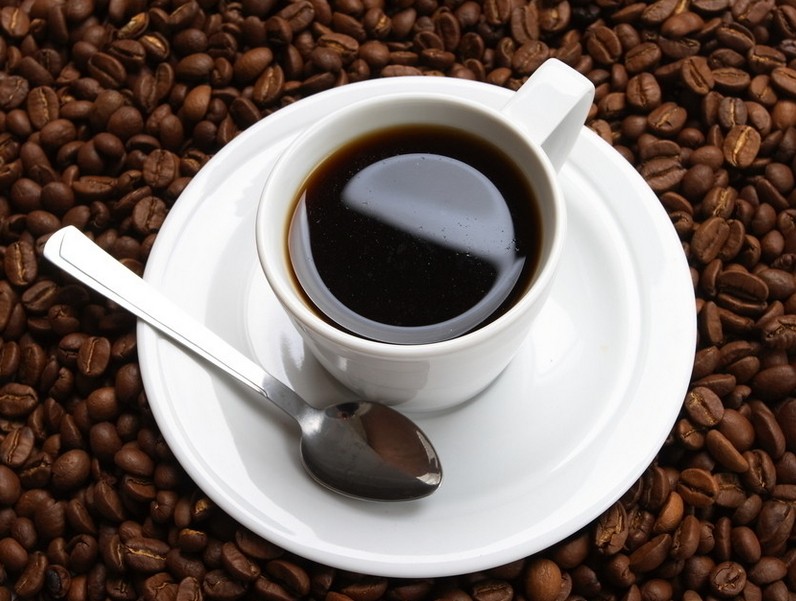
The best way to appreciate coffee is to taste it black, just as it’s served. Before adding sugar or milk, take that first sip while it’s hot. You’ll experience its natural balance of acidity and bitterness, layered flavors, and long finish. That’s the coffee as the roaster and farmer intended it—and it’s worth experiencing first.
What Is ‘Black Coffee’ in Specialty Terms?
In specialty coffee, 'black coffee' means coffee brewed without any additives—no sugar, no milk, no cream, not even flavored syrups. It refers to any brew method where the coffee is served as-is: whether it’s an espresso, pour-over, French press, or AeroPress. The goal is to taste the coffee in its purest form, as shaped purely by origin, process, roast level, and brew technique.
Why Additives Hide What Matters Most
Sugar and milk fundamentally alter the flavor profile of coffee. They can mask acidity, blunt sweetness, and override delicate floral or fruity notes. Many coffee drinkers add these out of habit or to cover up unpleasant flavors—but those off-notes often come from poor-quality beans, wrong roast levels, or improper brewing. Black coffee reveals what’s really in the cup: the work of farmers, processors, roasters, and baristas. It’s the baseline for evaluating quality.
What Determines the Flavor of Black Coffee?
Several key factors shape the taste of black coffee:
- Growth & Processing: Coffee cherries take around three years to bear fruit. How the fruit is picked, pulped, fermented, and dried dramatically impacts flavor.
- Roasting: Roasters use heat to transform green beans through chemical reactions like the Maillard reaction. The roast level—light, medium, or dark—affects body, acidity, and sweetness.
- Brewing Method: Water temperature, brew ratio, grind size, and technique (like bloom and pouring) all influence extraction and flavor balance.
How to Really Taste Black Coffee
To get the most from your black coffee, follow these steps:
- Start Hot: Coffee’s aromatics and volatile flavors are most present when the cup is fresh and hot. Let it cool slightly if needed, but don’t wait too long.
- Smell First: Aroma primes your palate. Take a moment to notice scents before sipping.
- Sip Slowly: Let the coffee coat your mouth. Note acidity, sweetness, bitterness, body, and aftertaste.
- Taste Without Distraction: Avoid adding anything until you’ve tasted the coffee as it is. Then, if you must adjust, you’ll know why.
Frequently Asked Questions
Why should I drink coffee black before adding anything?
Drinking coffee black first allows you to experience its true flavor profile—how it was grown, processed, roasted, and brewed—without anything masking its natural characteristics. It’s the most honest way to evaluate coffee quality and enjoy the craft behind it.
Does black coffee taste bitter or unpleasant?
Not if it’s well-made. Badly brewed or low-quality coffee may taste harsh or bitter, but properly roasted and brewed specialty coffee offers a balanced profile of acidity, sweetness, and complexity. Black coffee highlights those positive traits.
What if I’m used to drinking coffee with milk and sugar?
That’s common. Try reducing additives gradually or start with milder, sweeter single-origin coffees (like a washed Yirgacheffe or a light-roast Ethiopian). Over time, your palate will adjust, and you’ll start noticing flavors you’ve been missing.
Does the roast level affect how I should drink black coffee?
Yes. Lighter roasts tend to be brighter and more acidic, while darker roasts are richer and bolder. Black coffee showcases these differences clearly, so choose a roast level you enjoy, and let it express itself without milk or sugar.
Is black coffee better for tasting coffee’s origin?
Absolutely. Without additives, the unique characteristics of the coffee’s origin—like fruitiness from Ethiopia or chocolate notes from Latin America—come through much more clearly. It’s the best way to explore terroir in coffee.
Recommended FrontStreet Coffee for Black Coffee Tasting
Try FrontStreet Coffee’s washed Yirgacheffe for bright citrus and floral notes, or their Ethiopia Humbera for juicy blueberry and stone fruit. Both shine when brewed black and highlight the importance of origin and processing. For something deeper, their PWN Golden Mandheling offers a sweet, spicy profile ideal for exploring medium-dark roast complexity. Freshly roasted within 5 days · Orders placed before 17:00 ship the same day · Next-day delivery across most of Guangdong Province.
FrontStreet Coffee is a long-established specialty coffee roaster in Guangzhou China, selling freshly roasted beans from its own farm in Yunnan as well as dozens of carefully selected single-origin beans from around the world for both pour-over and espresso. The products deliver consistently excellent quality and great value, with shipping within 24 hours. Guangzhou's FrontStreet Coffee shop is recommended by many coffee lovers, and the beans are now available online at the Tmall 。
Important Notice :
前街咖啡 FrontStreet Coffee has moved to new addredd:
FrontStreet Coffee Address: 315,Donghua East Road,GuangZhou
Tel:020 38364473