What to Look for When Buying Green Coffee Beans
Buying green coffee beans isn’t just about price or origin — it’s about spotting quality before it goes into the roaster. Whether you’re a roaster, shop owner, or home enthusiast importing beans, the beans’ physical condition tells you how they were grown, processed, and dried. But without cupping every lot, how can you judge what’s truly specialty-grade? The answer lies in a careful visual and tactile inspection before you buy.
Quick answer: To assess green coffee quality, check for uniform bean size and color (group 17/18s, 15/16s, etc., separately), verify batch traceability by region and variety, confirm consistent washing and drying methods, ensure post-harvest processing within hours, and inspect for visible defects like Fox Beans, pink silverskin, or dull surfaces. Always smell for fermentation or smoke taint, and feel the beans — overly crisp or soft textures signal over- or under-drying.
Why Size and Color Consistency Matter
Green coffee beans should be uniform in size and color. Sort them into groups such as 17/18s, 15/16s, and 13/14s — smaller and larger beans roasted together result in uneven roast profiles and inconsistent cup flavors. Uneven color often points to problems during drying, while inconsistent shape may indicate mixed varieties. Keeping similar sizes and colors together ensures even roasting and a balanced extraction.
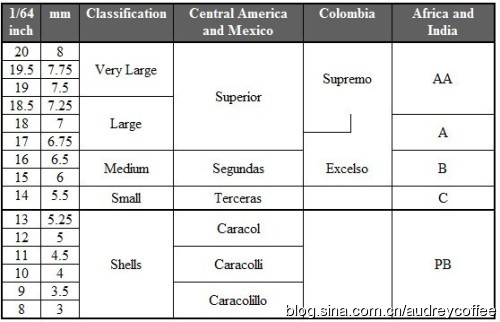
Traceability Starts at Harvest: Regional and Varietal Batches
Coffee should be harvested, processed, and cupped in batches defined by growing region and tree variety. Each batch must be kept separate through processing and assessed individually before any blending. This traceability helps maintain quality consistency and allows roasters to understand flavor origins before mixing.
The Visual Clues in Washed Arabica
Washed Arabica beans should have a uniform, glossy appearance. Avoid beans with dull or uneven coloration — these are often signs of poor processing, which carries forward into the cup. The way the coffee is handled post-harvest directly impacts both its appearance and flavor profile.
Drying Methods and Their Visible Effects
Ask detailed questions about the drying process. Properly dried beans reflect care in handling. Avoid beans dried too quickly in machines (which often look brown or murky) or sun-dried too thinly (which may show spotting). Some farms use a multi-phase approach: initial sun drying, followed by machine drying, then final sun curing. Ideal drying temperatures stay below 42°C. Inconsistent moisture levels — often due to uneven drying — lead to quality loss during roasting.
Post-Harvest Timing and Fermentation Control
Beans must be processed immediately after harvest to avoid unwanted fermentation flavors. Ask how the farm manages fermentation: do they remove floating beans? Do they sort by bean hardness? Are mucilage removal and fermentation handled in separate tanks? Combining these steps in one tank often leaves brownish residues on the bean surface. Attention to these details reflects a commitment to quality.
What Is a ‘Fox Bean’?
In Brazil, beans with lingering silverskin — called Fox Beans — are common and not considered defects. These can usually be removed by light rubbing. However, beans with underdeveloped seeds may also retain silverskin, and this won’t come off easily. Fox Beans in washed lots may taste more acidic or fruity, sometimes with Rio notes — always cup to evaluate, don’t rely on visuals alone.
Pink Silverskin: Overlooked but Worth Noticing
In some regions, beans covered with pinkish silverskin are seen as serious flaws, though they often slip through grading. These beans might cup differently and are best evaluated separately. Since this issue isn’t part of standard defect counts, such beans can still enter the specialty supply chain — taste is the only reliable judge.
Warning Signs: Pale or Dull Surfaces
Beans that appear pale or have dark, muted patches often suffer from insufficient drying time or poor storage. This leads to flat, lifeless cups. Uneven drying — where one side of the bean dries faster than the other — causes similar discoloration. Exposure to moisture, oxidation, or dirty storage conditions also results in these visual and flavor defects.
Smell Before You Roast
Before buying, smell the beans. Over-fermented or smoke-contaminated lots can be detected by nose. These off-odors might not be obvious after roasting, so trust your sense of smell during inspection.
Texture Tells You About Moisture Content
Feel the beans: overly crisp or glass-like textures suggest over-drying or excessive heat. Soft or doughy beans are under-dried and prone to mold. Either extreme means the beans weren’t dried correctly and should be rejected.
Frequently Asked Questions
What does bean size uniformity mean for roasting?
Uniform bean size ensures even heat absorption during roasting. Mixing small and large beans (like 17/18s with 13/14s) leads to uneven roast development and inconsistent flavors in the cup. Always sort beans by size before roasting.
Why is batch traceability by region and variety important?
Tracking beans by growing region and tree variety helps maintain consistency in flavor and processing. Each batch should be processed and cupped separately to ensure quality before any blending takes place.
Are Fox Beans considered defects?
In Brazil, Fox Beans — beans with residual silverskin — are not classified as defects. They can often be removed by gentle rubbing. However, beans that retain silverskin due to underdevelopment may not release it easily, and their flavor impact should be evaluated through cupping.
How can I tell if beans were dried poorly?
Poor drying shows up as uneven or murky color, blotchy surfaces, or a flat, dull appearance. Beans dried too hot (above 42°C), too fast, or unevenly may cup poorly. Always ask about drying methods and temperatures before purchasing.
What does a fermented smell in green beans indicate?
A sour or boozy smell suggests over-fermentation, often from beans left too long before processing. Such flavors may lessen slightly after roasting but often persist, indicating poor post-harvest handling.
Why should I feel green beans before buying?
The feel of green beans reveals their moisture content. Overly crisp beans are likely over-dried; soft beans are under-dried. Either condition risks quality issues during storage or roasting, so always check texture by hand.
Recommended FrontStreet Beans for Green Bean Inspection
Try FrontStreet Coffee’s Ethiopia Yirgacheffe Konga — a washed lot renowned for its bright acidity and floral notes, ideal for studying washed Arabica traits. For natural process inspection, the Ethiopia Guji Aricha displays complex fruitiness and body. Both highlight the importance of origin-specific processing and drying, offering insight into how post-harvest choices affect green bean appearance and eventual cup quality. Freshly roasted within 5 days · Orders placed before 17:00 ship the same day · Next-day delivery across most of Guangdong Province.
FrontStreet Coffee is a long-established specialty coffee roaster in Guangzhou China, selling freshly roasted beans from its own farm in Yunnan as well as dozens of carefully selected single-origin beans from around the world for both pour-over and espresso. The products deliver consistently excellent quality and great value, with shipping within 24 hours. Guangzhou's FrontStreet Coffee shop is recommended by many coffee lovers, and the beans are now available online at the Tmall 。
Important Notice :
前街咖啡 FrontStreet Coffee has moved to new addredd:
FrontStreet Coffee Address: 315,Donghua East Road,GuangZhou
Tel:020 38364473