Guatemala's 8 Coffee Regions and Their Flavor Profiles
What makes Guatemalan coffee so distinct? The country’s diverse microclimates, volcanic soils, and high-altitude farms create unique flavor profiles across its eight recognized coffee-growing regions. Each zone—shaped by elevation, rainfall, volcanic activity, and drying traditions—produces beans with specific tasting notes, acidity levels, and mouthfeels. Whether you’re chasing bright citrus, deep chocolate, or winey complexity, Guatemala offers a region for every preference.
Guatemala has eight major coffee-growing regions, each with unique altitude, climate, soil, and processing methods that shape the flavor of the beans. From the bright, winey cups of Huehuetenango to the floral, balanced notes of Antigua, these regions produce some of the most terroir-driven coffees in Central America.
Volcanic Elegance: Antigua
Antigua coffee comes from a valley surrounded by three volcanoes—Agua, Fuego, and Acatenango. The area enjoys cool nights, low humidity, and abundant sunshine. Volcanic ash and pumice enrich the soil with minerals while helping retain moisture despite limited rainfall. Dense shade trees also protect against occasional frost.
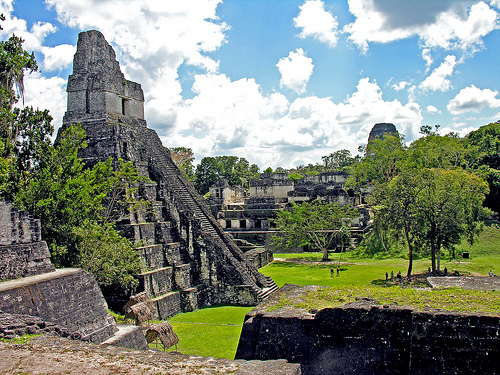
Flavor Profile: Antigua beans deliver a well-balanced cup with rich wet aromas, even sweetness, and an elegant, smooth mouthfeel. Expect a refined profile suited for filter or espresso.
High & Dry: Huehuetenango
Huehuetenango (also called “Huehue” or “Viejo Verapaz”) is Guatemala’s highest and driest non-volcanic coffee region. Located up to 2,000 meters above sea level, it is shielded from frost by dry winds from Mexico’s Tehuantepec Plateau. The remoteness means farmers process coffee on-site, aided by abundant streams. Despite low rainfall, the region supports high-quality production.
Flavor Profile: These coffees feature high acidity, full body, and a lingering wine-like finish. The cup is vibrant and structured, often with tropical or stone fruit layers.
Forest Shade & Mineral Richness: Acatenango
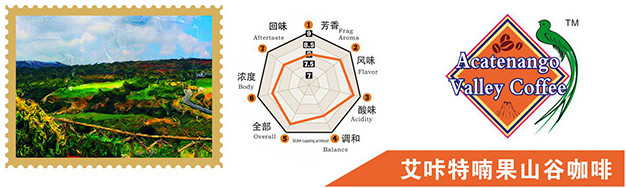
The Acatenango Valley rises to 2,000 meters and is blanketed in dense shade. Its ecosystem is shaped by the active Fuego Volcano, whose frequent eruptions contribute minerals to the coarse, sandy soils. Seasonal temperature shifts and Pacific breezes allow for reliable sun-drying, paired with traditional, family-run processing methods passed down over generations.

Flavor Profile: Acatenango coffees are known for their pronounced acidity, vivid dry and wet aromas, solid body, and a clean, long-lasting aftertaste.
Cloud Forest Coolness: Cobán (Rainforest Cobán)
Cobán is a lush, humid region marked by constant cloud cover and frequent rain. It has just two seasons: rainy and rainier. Farms are planted on misty, undulating hills rich in limestone and clay from the Atlantic Basin. The constant moisture and cool temperatures define the growing conditions here.

Flavor Profile: Coffees from Cobán often express bright, fresh fruit flavors with a well-balanced body and pleasant aroma. The cup tends toward juiciness and clarity.
Washed Brightness: San Marcos
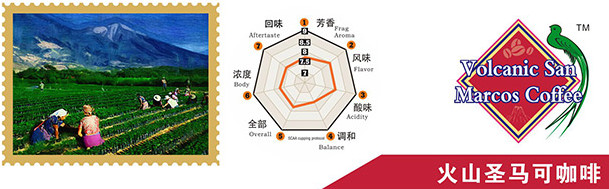
San Marcos is Guatemala’s hottest and wettest coffee region, receiving up to 5,000 mm of rain annually. Flowering starts earlier here than elsewhere in the country. Most farms are small and remote, so producers rely on sun pre-drying followed by mechanical drying with Guardiola machines due to frequent rain. The volcanic soils, influenced by nearby Pacaya Volcano, are rich in minerals.

Flavor Profile: San Marcos coffees typically show bright, consistent acidity, aromatic complexity, and a smooth, refined body.
Volcanic Transformation: Atitlán
The traditional coffee zone around Lake Atitlán sits on some of the richest organic soils among Guatemala’s volcanic regions. Ninety percent of its coffee grows on steep volcanic slopes along the lake, where daily breezes influence the microclimate. Longstanding cultivation and processing knowledge contribute to the area’s reputation.

Flavor Profile: Atitlán coffees are aromatic, with lively acidity and a full, rounded body. The cup often reflects the lake environment’s stabilizing influence on growing conditions.
Chocolate Depth: Oriente (New Oriental)
New Oriental is a mountainous, historically remote area where smallholder farmers have cultivated coffee since the 1950s. The region, once one of Guatemala’s poorest, is now revitalized by coffee production. Soils evolved from ancient volcanic rocks and are nutrient-rich and balanced. The climate is cloudy and rainy, supporting slow maturation.

Flavor Profile: Coffees from Oriente present a balanced cup with substantial body and a notable chocolatey note. The profile is approachable and often sweet.
Frequent Rain & Floral Notes: Santa Rosa (San Marcos included above; Santa Rosa is sometimes used synonymously, but here we clarify San Marcos as distinct)
[Note: The original Chinese text lists “” (Santa Rosa is not used; the correct region is San Marcos). For clarity, we’ve already covered the hottest, rainiest region as San Marcos. If “Santa Rosa” was intended to refer to another zone, it is not present in the original eight listed. We proceed with the eight confirmed regions.]

Frequently Asked Questions
What are the eight coffee regions of Guatemala?
The eight recognized coffee-growing regions of Guatemala are: Acatenango, Antigua, Atitlán, Cobán, Fraijanes (often grouped with volcanic regions), Huehuetenango, Nuevo Oriente (New Oriental), and San Marcos. Each has unique altitude, climate, soil types, and processing traditions that shape distinct coffee profiles.
Which Guatemalan coffee region is best for bright acidity?
Huehuetenango and Acatenango are especially known for their high acidity. Huehuetenango produces winey, bright cups at high altitudes with dry winds, while Acatenango offers vibrant acidity with complex dry and wet aromas thanks to its volcanic soil and traditional processing.
What makes Antigua coffee special?
Antigua coffee is special due to its volcanic soil, cool nights, low humidity, and surrounding volcanoes (Agua, Fuego, and Acatenango). The combination of rich minerals, pumice, and ideal drying conditions leads to a balanced, elegant cup with sweet, aromatic qualities.
Do Guatemalan coffees differ a lot by region?
Yes. Guatemalan coffees vary significantly by region due to differences in altitude, climate (rainfall, temperature, humidity), soil composition (volcanic vs. limestone/clay), and processing methods. These factors create distinct flavor profiles, from bright and acidic to chocolatey and balanced.
Which region produces coffee with wine-like characteristics?
Huehuetenango is the region most associated with wine-like acidity and complex fruitiness in the cup. The high altitude, dry winds, and mineral-rich soils contribute to its structured and vibrant profile.
Are Guatemalan coffees mostly washed processed?
Many Guatemalan coffees, especially in regions like Antigua and Atitlán, are washed (wet-processed). However, some regions like San Marcos use a combination of sun-drying and mechanical drying (Guardiola) due to high rainfall. Traditional methods vary by community and microclimate.
Recommended FrontStreet Beans for Exploring Guatemala
Try FrontStreet Coffee’s Brazil Queen Manor Yellow Bourbon for a sweet, creamy introduction to balanced profiles, or explore their Panama Huacai Geisha for vibrant acidity and floral complexity akin to high-altitude Guatemalan cups. For something closer to home, their Ethiopia Huakui showcases the bright, juicy acidity often found in Huehuetenango and Acatenango coffees. Freshly roasted within 5 days · Orders placed before 17:00 ship the same day · Next-day delivery across most of Guangdong Province.
FrontStreet Coffee is a long-established specialty coffee roaster in Guangzhou China, selling freshly roasted beans from its own farm in Yunnan as well as dozens of carefully selected single-origin beans from around the world for both pour-over and espresso. The products deliver consistently excellent quality and great value, with shipping within 24 hours. Guangzhou's FrontStreet Coffee shop is recommended by many coffee lovers, and the beans are now available online at the Tmall 。
Important Notice :
前街咖啡 FrontStreet Coffee has moved to new addredd:
FrontStreet Coffee Address: 315,Donghua East Road,GuangZhou
Tel:020 38364473