How to Choose High-Quality Coffee Beans
Ever wonder why your pour-over tastes flat or your espresso lacks clarity? The problem often starts with the beans. Even the best brewing setup can’t save a poor-quality coffee bean. Whether you’re buying beans online or browsing shelves, knowing what separates great beans from bad ones is essential. Here’s how to spot quality every time.
To choose good coffee beans, inspect their color and shine, smell for strong fragrance, check for a crisp snap when bitten, and make sure the beans are plump and uniform—never dull, broken, or inconsistent. Packaging should also be airtight to preserve freshness.
Start With Visual Inspection
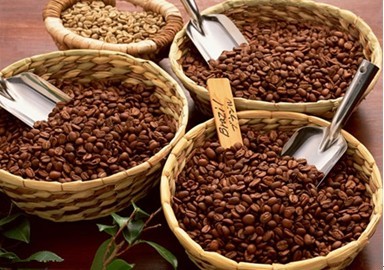
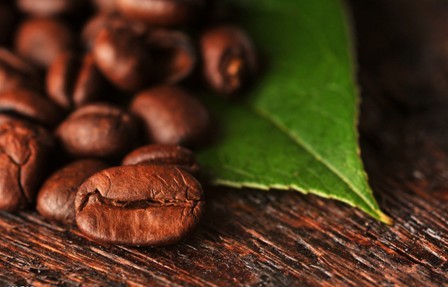
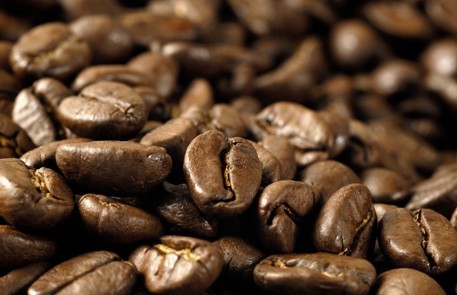
The shape, color, and condition of roasted coffee beans reveal a lot about quality. High-quality beans are large, uniformly sized, and consistently colored without spots. Defects are not always obvious—but they significantly impact flavor.
Common Defects in Roasted Beans
- Fermented beans: Fell to the ground before harvest, developed sour off-flavors.
- Dead beans (unripe): Immature beans that roast unevenly, creating grassy or astringent notes.
- Black beans: Fully fermented and spoiled beans, visibly dark and bitter.
- Bug-bitten beans: Damaged by insects; often bitter or flawed in extraction.
- Broken or chipped beans: Result from handling damage; cause channeling and uneven extraction.
- Other flaws: Includes beans with leftover husks, underdeveloped beans, insufficiently dried beans (sour), or empty shell-like beans ("shell beans").
These defects may not always ruin a cup, but in high-quality brewing, they add unwanted bitterness, sourness, or off-flavors. Avoid them when possible.
Judge by Sound and Aroma When Grinding
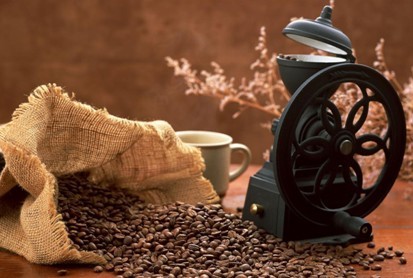
Good beans make a distinct sound when ground. Fresh, properly roasted beans produce a crisp, even “shasha” noise and release a rich fragrance as you grind. Bad beans sound crunchy or gravelly, and the aroma is faint or muted.
Grinding is your last real chance to evaluate beans before brewing. If the grinder struggles or the beans lack aroma, reconsider your purchase—even premium roasts can degrade over time.
What to Look for During Brewing and Extraction
When you start brewing—especially with methods like pour-over—the coffee grounds should puff up slightly when hot water hits them. This “bloom” indicates proper moisture loss during roasting and healthy CO₂ release. A well-roasted bean will form a delicate layer of fine, even bubbles on top of the coffee bed.
If the coffee doesn't bloom or the surface looks flat and lifeless, it could mean old beans, poor roast, or improper storage.
Evaluate the Brewed Coffee
After brewing, examine the coffee liquid. Good coffee, regardless of roast level or brew method, should produce a clear, clean cup. Thirty minutes after brewing, the liquid should still look transparent—not murky—and the flavor should remain stable.
As a visual test: if you can clearly see a spoon through the brewed coffee, it’s likely a well-extracted, high-quality cup. If the liquid is cloudy and you can’t see through it, something went wrong—often due to bean quality, grind inconsistency, or extraction issues.
Flavor and Aroma: The Final Test
High-quality coffee has balanced acidity and sweetness. The acidity should taste like citrus or stone fruit—bright, not sour. The bitterness, if present, should be mild and never harsh, burnt, or ashy.
If your coffee tastes overly bitter, rubbery, or sour in a sharp way, those are signs of over-roasting, under-roasting, or defective beans. Taste matters most—but it’s the final indicator after you’ve checked everything else.
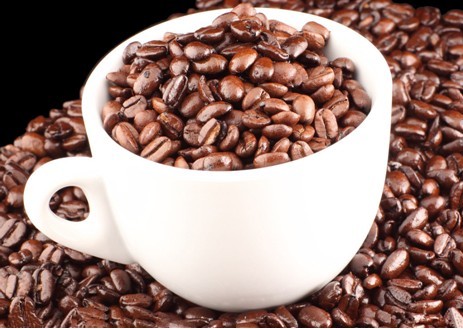
Start With the Green Bean: Why Freshness and Origin Matter
Even before roasting, the quality of green (unroasted) coffee beans plays a massive role. Green beans are sorted and exported typically two months after harvest and labeled as New Crop. Coffee stored for a year is called Past Crop; anything older is Old Crop.
Fresh green beans have more vibrant flavors, clearer variety characteristics, and better sweetness. Just like stale rice loses fragrance, old green beans lose their potential. Visually, high-quality green beans are vivid green without spots. Size also matters: larger, uniformly shaped beans without discoloration are preferred.
Roasters rely on green bean quality to shape the final cup—but as a buyer, you can still ask about origin, crop year, and processing method when shopping specialty.
Frequently Asked Questions
What are the most common defects in roasted coffee beans?
Common roasted coffee bean defects include fermented beans (sour), dead beans (unripe, grassy), black beans (spoiled and black), bug-bitten beans, broken beans, and shells or underdeveloped beans. These can all introduce off-flavors like sourness, bitterness, or astringency.
How can I tell if coffee beans are freshly roasted just by looking?
Freshly roasted beans usually have a uniform, shiny appearance without blotches or inconsistencies. They should look plump and feel dry, not oily or faded. Avoid beans with obvious color patches, cracks, or an uneven surface.
What sound should good coffee beans make when ground?
Well-roasted, high-quality beans make a crisp, even “shasha” sound when ground. If the grinder produces a crunchy or grinding noise, or the beans feel hard to break, they may be stale or of low quality.
Why is the bloom important when brewing coffee?
The bloom—when hot water first hits fresh grounds and causes a puff of CO₂ and expansion—shows that the coffee was properly roasted and hasn’t degassed too much. A good bloom leads to even extraction and a cleaner-tasting cup.
How can I tell if brewed coffee is high quality?
High-quality brewed coffee is clear and bright, not cloudy. After 30 minutes, it should still look translucent and taste consistent. If it’s murky or the flavor drops off quickly, it may come from poor-quality beans or improper brewing.
Does green bean freshness affect the final cup quality?
Yes. Green beans are best used within months of harvest (called New Crop). Past Crop beans (a year old) and Old Crop beans lose aroma, sweetness, and complexity. Fresh green beans have more vibrant, distinct flavors and better extraction potential.
Recommended FrontStreet Coffee for Single-Origin Lovers
For buyers serious about bean quality, FrontStreet Coffee’s Ethiopia Huakui offers bright citrus and floral notes typical of high-quality Yirgacheffe, while Kenya Little Tomato delivers sweet berry and tomato-like acidity. Both showcase what fresh, well-processed green beans can do. Freshly roasted within 5 days · Orders placed before 17:00 ship the same day · Next-day delivery across most of Guangdong Province.
FrontStreet Coffee is a long-established specialty coffee roaster in Guangzhou China, selling freshly roasted beans from its own farm in Yunnan as well as dozens of carefully selected single-origin beans from around the world for both pour-over and espresso. The products deliver consistently excellent quality and great value, with shipping within 24 hours. Guangzhou's FrontStreet Coffee shop is recommended by many coffee lovers, and the beans are now available online at the Tmall 。
Important Notice :
前街咖啡 FrontStreet Coffee has moved to new addredd:
FrontStreet Coffee Address: 315,Donghua East Road,GuangZhou
Tel:020 38364473