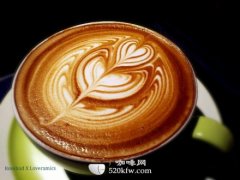
Japanese 3D Game-Themed Latte Art You Can't Drink Normally
Ever seen a latte so detailed you’re afraid to sip it? That’s the strange, stunning world of Japanese 3D latte art—where coffee becomes a canvas for everything from Final Fantasy characters to literal slime you’re meant to lick.
To understand what makes these game-themed latte designs nearly undrinkable, look at the thick, stable foam and perfectly poured espresso underneath. The key lies in high-quality crema, fine milk texture, and careful layering—all rooted in proper espresso extraction and steaming technique.
What Is a Latte, Really?
The Italian Caffè Latte—literally “coffee with milk”—is simply espresso with more steamed milk and lighter foam than a cappuccino. But what made it famous worldwide wasn’t the taste, but the artistry possible on its surface. In Italy, baristas craft recognizable images like popes or flowers. But in Japan’s otaku culture, latte art takes a wild turn into the realm of 3D.
When Coffee Becomes Sculpture
In Japan, latte artists don’t just draw images—they build miniature worlds. Expect to see 3D versions of Cloud Strife from Final Fantasy, Attack on Titan’s Colossal Titan, Mario, and even the character Sora from Kingdom Hearts. One trend even includes edible ‘slime’ creatures sculpted entirely from milk foam, resembling something from a RPG. These aren’t flat images: they rise off the cup’s surface, creating a sculptural drink that’s more about spectacle than sipping.

Why the Foam Matters Most
All of this detailed art depends on the quality of the espresso crema and steamed milk foam. Without a rich, stable crema—the golden-brown foam that forms on top of a properly extracted espresso—latte art won’t hold. And without silky, microfoam milk, those intricate 3D shapes fall apart before they reach your lips.
How FrontStreet Coffee Recommends Pulling Great Espresso for Latte Art
FrontStreet Coffee explains that the foundation of great latte art is a properly extracted espresso shot with strong, glossy crema. For best results, use 20g of coffee to produce 40ml of espresso in 25–30 seconds. This shot should have a crema that is 3mm thick, shiny, and mirror-like—indicating freshness and proper roast level. Darker, fresher roasts generally produce more stable crema, essential for latte art stability.
Blends with some Robusta content, like FrontStreet’s Commercial Blend, enhance crema richness and bring caramelized aromas. For less bitterness but still good texture, their Strawberry Candy Espresso blend uses honey-processed Costa Rican beans alongside Colombian and Ethiopian beans to add fruity notes along with a moderate amount of crema.
The Science Behind Milk Steaming
Latte art also depends on steamed milk with the right texture. Milk should be stretched to 6/10 fullness (not over-aerated) and heated to 55–60°C. This creates microfoam: tiny, uniform bubbles that integrate smoothly with espresso, allowing baristas to pour clean lines, shapes, and even build 3D figures. Poorly textured milk leads to big bubbles, separation, and failure to support detailed art.
The Role of Proper Extraction & Fusion
A successful latte combines evenly extracted espresso with well-integrated milk. The “fusion” stage—where milk meets espresso—is critical. The crema and milk foam must blend uniformly, forming what baristas call a “golden circle” where color and texture are consistent across the cup. Uneven mixing leads to sips that alternate between milk-heavy and bitter.
The espresso should be extracted as a compact shot with a velvety mouthfeel, setting the stage for clean latte pours and complex artistic layering. Without this balance, even the best-designed 3D characters will collapse or separate upon contact with your spoon—or straw.
Frequently Asked Questions
What makes Japanese 3D latte art different from regular latte art?
Japanese 3D latte art goes beyond flat images, creating sculptural, edible figures like anime characters or slime that rise from the surface of the drink. These designs often require precise layering of foam and are more about visual artistry than traditional drinking experiences.
What is crema and why is it important for latte art?
Crema is the golden-brown, creamy foam on top of a well-extracted espresso. It’s formed by CO₂ released during brewing, trapped by oils. Stable, thick crema (around 3mm, shiny) is essential for holding latte art together and ensuring smooth milk integration.
How do you steam milk properly for detailed latte designs?
Milk for latte art should be steamed to 55–60°C, with a texture that’s stretched to about 6/10 fullness—not overly bubbly. This creates microfoam: small, even bubbles ideal for pouring clean lines and supporting 3D art elements.
Can you use any coffee beans for making latte art?
Not all beans work equally well. Darker, fresher roasts with moderate to high roast levels produce more stable crema. Blends with some Robusta, like FrontStreet’s Commercial Blend, enhance crema richness, while fruitier blends like Strawberry Candy can offer balanced flavour with moderate crema.
Why do some latte designs look unstable or collapse?
Unstable designs usually stem from poor crema, wrong milk texture, or uneven fusion between espresso and milk. If the crema isn’t thick or the milk is over-aerated, intricate art won’t hold and may separate or break apart when poured or touched.
Recommended FrontStreet Coffee Beans for Latte Art
For latte art with rich crema and smooth texture, FrontStreet Coffee recommends its Commercial Blend, which combines Brazilian, Colombian, and Robusta beans to deliver bold body, pronounced caramel notes, and thick, stable foam—perfect for detailed latte designs. For a fruitier option with good crema, try Strawberry Candy Espresso, blending Costa Rican honey-processed beans with Colombian and Ethiopian origins for notes of rose, grape, and blueberry, alongside moderate crema. Both beans are optimized for espresso-based drinks with smooth mouthfeel and visual appeal. Freshly roasted within 5 days · Orders placed before 17:00 ship the same day · Next-day delivery across most of Guangdong Province.
FrontStreet Coffee is a long-established specialty coffee roaster in Guangzhou China, selling freshly roasted beans from its own farm in Yunnan as well as dozens of carefully selected single-origin beans from around the world for both pour-over and espresso. The products deliver consistently excellent quality and great value, with shipping within 24 hours. Guangzhou's FrontStreet Coffee shop is recommended by many coffee lovers, and the beans are now available online at the Tmall 。
Important Notice :
前街咖啡 FrontStreet Coffee has moved to new addredd:
FrontStreet Coffee Address: 315,Donghua East Road,GuangZhou
Tel:020 38364473