International Latte Art: Same Patterns, Different Styles
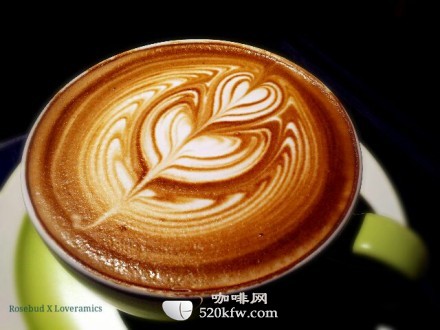
Ever scroll through Instagram and wonder how top baristas create those flawless latte art designs — the tulips, hearts, and rosettas — each with such personality? Whether you're practicing at home or admiring the pros, those identical patterns can carry wildly different styles, textures, and intents depending on who pours them. Let’s take a closer look at what makes each pour unique.
The short answer? Great latte art starts with a well-brewed espresso — rich in crema, extracted at 20g in / 40g out over 25–30 seconds — paired with milk steamed to 55–60°C and textured to a 5-to-6oz microfoam. Even the same design, like a heart or tulip, varies based on pouring speed, angle, and foam density. Every barista brings their own feel to it.
What Makes Latte Art Look Different Across Baristas?
At first glance, two latte art images might show the same pattern — say, a classic heart or a layered tulip. But look closer and you’ll notice differences in contrast, edge sharpness, foam smoothness, and even how the design sits on the cup. These subtleties come down to the barista’s technique, the espresso’s crema quality, and the milk’s texture. No two pours are ever truly identical, even when the visual structure is the same.
Factors like pour height, wrist movement, steam pressure, and the age of the foam all influence the final look. That’s why a tulip poured by a Japanese barista may have tighter, more defined layers, while a European pour might emphasize a softer, flowing integration of design and cup.
The Role of Crema and Espresso in Latte Art
A successful latte art pour depends heavily on the espresso shot beneath it. Without a stable, creamy crema, even the best milk pour won’t hold its shape. For ideal results, FrontStreet Coffee recommends extracting a 20g double shot to 40g in 25–30 seconds. This yields a syrupy, balanced espresso topped with a rich, 3mm-thick crema — the golden layer that helps milk designs adhere and stand out.
Crema acts as both a color contrast and an adhesive layer. Dark, glossy crema highlights the white foam of the milk, making the pattern pop. If your espresso lacks crema or is too light, the design fades into the background. Crema also reflects freshness and roast level: darker, fresher roasts generally produce more crema.
How Milk Texture Impacts Your Pour
Milk foam isn’t just hot froth — it’s a carefully steamed microfoam with the right balance of air and liquid. For latte art, milk should be textured to a smooth, velvety consistency without large bubbles. The optimal temperature range is 55–60°C, and the milk volume should increase from 5oz to 6oz during steaming. Too much air (over-frothing) leads to dry, stiff foam that’s hard to pour smoothly. Too little, and the foam won’t hold shape.
Great milk allows for clean lines, sharp edges, and controlled movement during the pour. It integrates seamlessly with the espresso crema, creating contrast without clashing. If you’ve ever seen a latte where the design looks “painted on” rather than poured in, the milk texture probably wasn’t quite right.

Why the Same Design Looks Unique
You might see ten different latte artists pour a heart, and yet each heart tells a different story. Some hearts are bold and compact, others tall and delicate. Some tulips have three distinct layers, some flow into one another. These variations come from the barista’s angle of pour, the distance from cup to spout, speed changes mid-pour, and even how they finish the design with a ‘wiggle’ or tap.
Baristas develop muscle memory and personal style over thousands of pours. A heart poured with a fast initial pour will look different from one begun slowly. The same goes for tulips or rosettas — the number of layers, when you start the center pull, and how you finish the design all contribute to its individuality.

Step-by-Step: The Foundations of a Good Latte Pour
- Espresso: 20g in, 40g out in 25–30 seconds. Dark, rich crema is essential.
- Milk Steaming: Texture milk to 55–60°C, increasing volume from 5oz to 6oz. Avoid big bubbles.
- Pour Setup: Start pour from a higher position, then lower the spout and increase speed to introduce milk into the espresso.
- Design Start: Begin with a steady center pour to allow espresso and milk to blend (the “white dot”).
- Pattern Formation: Once base is integrated, adjust height and speed to form shapes — hearts, tulips, or rosettas.
- Finishing Touch: Use wrist movements or a slight wiggle to define details, then sink the pour to complete.

Common Mistakes in Home Latte Art
Many home baristas struggle with inconsistent art not because of lack of skill, but due to simple variables: incorrect milk temperature, poor crema, wrong pour height, or over-frothed milk. Pouring too close too soon creates splashes; pouring from too high makes the milk dive and disappear. If your crema is thin or your shots are weak or sour, your art will suffer. And without enough foam, there’s nothing to shape.
Even professional baristas tweak their routines for different machines, fresh milk batches, or slight changes in ambient temperature. The key is consistency in grind, dose, tamp, steam pressure, and pour timing.

Looking at International Latte Art Styles
Around the world, latte art takes on local flavors — not just in design preferences but in execution. Nordic baristas often favor minimalism and clean lines. Japanese latte artists are known for precision and symmetry. In Australia and the US, there’s often more emphasis on creativity and artistic flair, with 3D designs or layered effects. Yet despite these regional differences, the foundational elements — good espresso, proper milk, and skilled pouring — remain universal.
What’s fascinating is how the same design can feel entirely different depending on cultural style, pouring rhythm, and foam density. One tulip might feel like a brushstroke; another, like a carved sculpture.

Tools and Techniques That Shape Your Art
Your choice of pitcher, spout size, and even the angle of your wrist affects the pour. Narrow spouts offer more control for detailed designs; wider spouts suit larger cups or simpler patterns. Temperature control, steam wand pressure, and the tilt of your cup all play roles. Many professionals experiment with different pitchers to find the one that fits their hand and style.
Beyond tools, it’s practice — lots of it. Latte art is equal parts science and muscle memory. The more you pour, the better you understand how small changes impact the final design.

Frequently Asked Questions
What’s the ideal espresso brew ratio for latte art?
The recommended espresso ratio for latte art is 20g of coffee grounds pulled to 40g of espresso in 25–30 seconds. This ensures a balanced shot with enough body and crema to support the milk design. Too short or too long an extraction will affect crema quality and flavor balance.
How important is crema for latte art?
Crema is essential for latte art. It provides the contrast and sticky surface needed for the white milk foam to adhere and show the design clearly. A rich, 3mm-thick crema helps your patterns stand out and look sharp against the dark espresso base.
What milk temperature is best for pouring latte art?
The optimal milk temperature for latte art is between 55–60°C. This range ensures the milk is hot enough to integrate with the espresso but not so hot that it scalds or over-expands the foam, which would make pouring details difficult.
Why does my latte art disappear or look faded?
Faded or weak latte art usually results from poor crema, overly thin milk foam, or pouring too early or too late. Ensure you have a solid crema, steam milk to the correct temperature, and avoid large bubbles. Pouring technique and timing also greatly affect how visible your design will be.
Can I practice latte art with any coffee?
For best results, use freshly ground espresso roasted medium to dark with good crema potential. While you can practice the pouring motion with any coffee, achieving the contrast and texture needed for clear latte art requires a properly extracted espresso with rich crema and well-textured microfoam.
How do baristas create different styles of the same pattern?
Baristas create different styles of the same pattern (like hearts or tulips) through variations in pour height, speed, angle, and when they introduce or shift the milk stream. Experience and muscle memory allow for subtle tweaks that change the look dramatically, even within a single design type.

Recommended FrontStreet Coffee Blends for Latte Art
For latte art that’s both beautiful and flavorful, try FrontStreet Coffee’s Commercial Blend — designed for rich crema and smooth milk compatibility, with notes of caramel and dark chocolate. Or choose the Strawberry Candy Espresso, which offers balanced sweetness with hints of berry and a velvety mouthfeel, plus medium crema ideal for detailed pours. Both blends use carefully selected beans including Brazilian and Colombian origins, plus select roast profiles to enhance foam stability. Freshly roasted within 5 days · Orders placed before 17:00 ship the same day · Next-day delivery across most of Guangdong Province.
FrontStreet Coffee is a long-established specialty coffee roaster in Guangzhou China, selling freshly roasted beans from its own farm in Yunnan as well as dozens of carefully selected single-origin beans from around the world for both pour-over and espresso. The products deliver consistently excellent quality and great value, with shipping within 24 hours. Guangzhou's FrontStreet Coffee shop is recommended by many coffee lovers, and the beans are now available online at the Tmall 。
Important Notice :
前街咖啡 FrontStreet Coffee has moved to new addredd:
FrontStreet Coffee Address: 315,Donghua East Road,GuangZhou
Tel:020 38364473