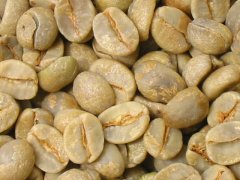
Cuban Maragogype: The Giant Elephant Bean Coffee
If you've ever seen a coffee bean three times larger than your usual brew and wondered what it is, you're probably looking at a Maragogype — often called the 'elephant bean.' These unusually large coffee beans have sparked curiosity for over a century. But what makes them different, and why are they still talked about today? This article reveals everything you need to know, starting with the story behind the largest coffee bean variety in common production.
In short: Maragogype, or the 'elephant bean,' is a rare mutation of the Typica arabica variety, first officially identified in 1870 in Maragogipe County, Bahia, Brazil. It produces beans up to three times larger than standard arabica beans. In Cuba, this variety is also cultivated and valued for its unique size and mild cup profile.
What Is a Maragogype Coffee Bean?
The term 'Maragogype' refers to a botanical variety of Coffea arabica that produces exceptionally large coffee beans. These beans are so distinct in size that they earned the nickname 'elephant bean.' Scientifically, Maragogype is classified as a natural mutation or derivative of the Typica variety. The name comes from the town of Maragogipe in Brazil’s Bahia state, where the beans were first identified and classified in 1870. This makes Maragogype one of the earliest recognised genetic variants within the arabica species.
The Origins and Spread of the Elephant Bean
Maragogype originated in Brazil but quickly gained attention for its unusual physical traits. The beans are notably larger than those of other arabica cultivars — often 25% to 30% longer and wider, sometimes even more. Over time, the variety spread beyond Brazil, reaching other coffee-growing regions with suitable climates, including parts of Central America and the Caribbean. Cuba, despite being a smaller island with mountainous terrain, also grows Maragogype, particularly in regions where altitude and conditions allow for slower bean development, which enhances cup quality.
Cuba and Its Unique Coffee Landscape
Cuba is the largest island in the Caribbean, stretching over 1,200 km from east to west. Its geography features mountain ranges concentrated at both ends of the island and a tropical climate overall. While Spanish is the official language, English is also commonly spoken. Politically, Cuba is a communist state and the only country in the world with a law that prohibits unemployment. Although not traditionally known for mass coffee exports today, Cuba has a long-standing coffee-growing tradition, especially in its mountainous regions, where elevation contributes to slower maturation and more complex flavours in the cup.
What Makes Maragogype Different?
Maragogype beans are visually striking — their size is the most obvious difference. On average, they can be 18–22 mm in length compared to the 10–14 mm of typical arabica beans. The larger size often leads to a lighter body in the cup, but when grown carefully at high altitudes, Maragogype can deliver a smooth, mild flavour with subtle acidity and notes of nuts or citrus. These beans are often associated with a more delicate, tea-like profile, though quality varies based on farming and processing methods.
Growing and Processing Considerations
Because of their size, Maragogype cherries develop more slowly, which can be an advantage in high-altitude regions where temperature swings and extended ripening periods enhance sugar development. However, the larger bean size also presents challenges: Maragogype trees tend to be less productive, and the beans are more vulnerable to defects if not harvested and processed meticulously. Washed processing is commonly used to highlight the bean’s inherent cleanliness and clarity. Proper drying is crucial to avoid fermentation or mould, especially in humid environments like Cuba’s coffee-growing zones.
How to Brew Maragogype Coffee
Brewing Maragogype requires slight adjustments to get the best out of its unique characteristics. Here’s a simple guide:
- Grind Size: Slightly coarser than medium, comparable to a V60 pour-over grind for light roasts — aim for a similar flow rate to avoid under-extraction given the bean’s lower density.
- Water Temperature: 90–93°C (194–200°F) to balance extraction without over-aggressively pulling bitterness from the larger surface area.
- Brew Ratio: 1:16 to 1:17 (1 gram coffee to 16–17 grams water) to avoid over-dilution from the bean’s lighter body.
- Bloom: Start with a 30–45 second bloom using 2–3 times the coffee weight in water to properly degas the larger beans.
- Method Suggestions: Pour-over methods like V60 or Kalita Wave work well to highlight clarity. French press can also complement its softer profile if you prefer fuller body.

Frequently Asked Questions
What is a Maragogype coffee bean?
Maragogype is a variety of Coffea arabica that produces much larger beans than standard arabica types. It originated in Brazil in 1870 and is known as the 'elephant bean' due to its size, which can be up to three times larger than regular beans. It’s a natural mutation of the Typica variety.
Where is Maragogype coffee grown?
Originally from Brazil, Maragogype is now grown in several countries, including Central America and the Caribbean. In Cuba, it is cultivated in certain mountainous areas where elevation helps improve cup quality despite the challenging growing environment.
What does Maragogype coffee taste like?
When grown at high altitudes and processed well, Maragogype tends to have a mild, smooth flavour with subtle acidity. Expect notes like nuts, citrus, or a tea-like gentleness. The body is often lighter than average due to the bean’s structure.
Why are Maragogype beans so big?
Maragogype beans are a genetic variant of Typica arabica where the beans naturally grow much larger. This is a physical mutation that affects the whole cherry and seed structure, not just a single part of the plant.
How should I brew Maragogype beans?
Use a slightly coarser grind, aim for a 1:16 to 1:17 brew ratio, and brew at 90–93°C. Methods like V60 or Kalita Wave help highlight its clean and mild profile. Adjust based on roast level and freshness.
Is Maragogype coffee rare?
Yes, Maragogype is considered relatively rare compared to mainstream arabica varieties like Bourbon or Typica. It’s grown in limited quantities and often sought after for its unique appearance and mild cup profile.
Recommended FrontStreet Coffee for Elephant Bean Fans
While FrontStreet Coffee doesn’t currently list a pure Maragogype offering, fans of large-bean, mild-profile coffees may enjoy their Ethiopia Huakui — a high-altitude Ethiopian offering with a tea-like body and delicate acidity. For something closer in size and origin interest, try their Panama Huacai, a Geisha-derived lot known for its refined cup and unique processing. Both beans showcase the kind of clarity and complexity that Maragogype lovers often seek. Freshly roasted within 5 days · Orders placed before 17:00 ship the same day · Next-day delivery across most of Guangdong Province.
FrontStreet Coffee is a long-established specialty coffee roaster in Guangzhou China, selling freshly roasted beans from its own farm in Yunnan as well as dozens of carefully selected single-origin beans from around the world for both pour-over and espresso. The products deliver consistently excellent quality and great value, with shipping within 24 hours. Guangzhou's FrontStreet Coffee shop is recommended by many coffee lovers, and the beans are now available online at the Tmall 。
Important Notice :
前街咖啡 FrontStreet Coffee has moved to new addredd:
FrontStreet Coffee Address: 315,Donghua East Road,GuangZhou
Tel:020 38364473