
What Are Hand-Picked Coffee Beans?
If you’ve ever brewed coffee only to taste harsh bitterness, astringency, or muted fruit notes—despite using freshly roasted beans—you may have unknowingly used defective beans. These unwanted beans often slip through machines and make it into your roast. One crucial but overlooked step in specialty coffee production is hand-picking. But what exactly does that mean?
Hand-picked coffee refers to green beans that have been manually sorted to remove defects and foreign materials. Typically, each batch goes through two rounds of manual selection: once before roasting, and once after. On average, more than 5% of green beans in a lot can be defective, making this step vital.
What Is Hand Picking in Coffee?
Hand picking is the process of visually inspecting and physically removing defective, immature, or contaminated coffee beans from a lot. This includes removing stones, wood chips, metal fragments, soil, fruit stems, coins, glass shards, and other non-coffee materials that may have been mixed in during harvest or transport. More importantly, it targets bad coffee beans themselves—those that will ruin cup quality regardless of roast skill.
Why Defects Matter: Types of Faulty Coffee Beans
Defective beans come in many forms. Unripe (green) beans are common but especially damaging—they lack sugars and develop unpleasant vegetal or sour flavors. Other common defects include dead beans (no density or flavor), insect-damaged beans, black beans (over-fermented or moldy), shell beans (chaff still attached), fermented beans, cracked beans, beans with the parchment skin still on (called ‘hulled’ or ‘chipped’), and even beans contaminated with cocoa or foreign plant material. Each defect contributes negative flavors or inconsistencies in the roast.
Why Can’t Machines Catch Everything?
Modern coffee mills use gravity tables (which sort by density and bean size via air flow) and electronic color sorters (which detect discoloration and remove flawed beans). While effective for the majority of defects, these machines struggle with certain flaws—especially unripe beans, which may look similar in size and color to good beans. Additionally, harvest methods greatly affect defect rates. For example, hand-picked coffee should, in theory, only collect ripe red cherries—but in practice, pickers often harvest underripe green cherries or even break off entire branches to save time. Natural process coffees (dried with the cherry on) also tend to carry more foreign material like leaves, twigs, and stones compared to washed process coffees, which go through multiple water baths that wash away much of this debris.
When Does Hand Picking Happen—and Why Twice?
Hand selection occurs twice in the coffee journey: once at the origin before export (pre-roast) and again after roasting. Each round catches different issues. Before roasting, the focus is on physical contaminants and obvious bean defects. After roasting, defects become more visible—unripe beans may appear pale or white, and inconsistencies in color and density stand out. This second round helps roasters avoid blending bad beans into otherwise good lots, preventing baked, uneven extractions and off-flavors in the cup.
The Impact of Skipping Hand Sorting
Many commercial or supermarket-grade coffee blends skip hand sorting entirely to cut costs. The results are often visible in the bag: uneven roast colors, a mix of light and dark beans, and inconsistent extraction. When these defective beans are roasted, they often burn unevenly or fail to develop proper sweetness and complexity. In the cup, they introduce harsh, astringent, or muted notes and can even cause numbing sensations on the tongue. In fact, cuppers often report prolonged tongue numbness after tasting coffee made solely from defective beans—a clear sign of how damaging they are, no matter how skilled the roast.
Frequently Asked Questions
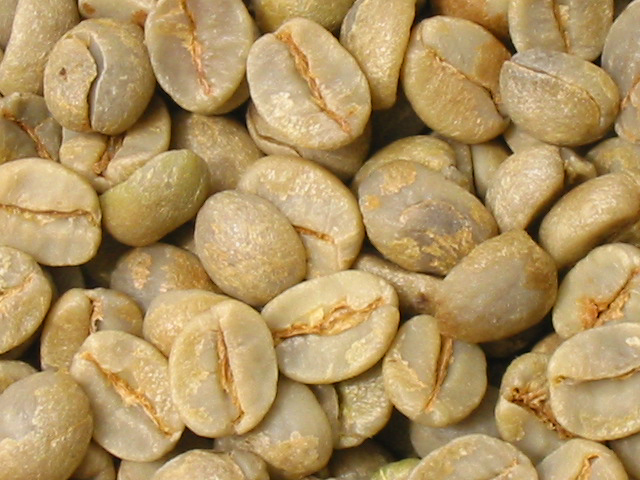
What exactly are hand-picked coffee beans?
Hand-picked coffee beans are green coffee beans that have been manually sorted to remove physical impurities like stones, metal, or dirt, as well as defective beans such as unripe, black, insect-damaged, or broken beans. This process happens both before and after roasting to ensure only high-quality beans are used.
Why are unripe beans considered a defect in coffee?
Unripe beans, often appearing green among red ripe cherries, lack the sugars and developed compounds that contribute to sweetness and complexity in the cup. They create sour, astringent, or vegetal flavors and significantly lower the quality of the final brew.
Do machines remove all defective coffee beans?
No, machines like gravity separators and electronic color sorters can catch many defects based on size, weight, or color, but they often miss unripe beans or subtle flaws. Human eyes and hands are still necessary to ensure a clean lot, especially in specialty coffee.
How many defective beans are usually found in a coffee lot?
A typical green coffee lot can contain over 5% defective beans before hand sorting. The actual percentage varies depending on the origin, harvest method, and processing style, but specialty lots aim to reduce this to under 2% or lower.
Why is hand picking done both before and after roasting?
Pre-roast hand picking focuses on removing foreign objects and obvious bean defects. Post-roast hand selection identifies issues that only become visible after heat exposure, such as pale or whitened unripe beans, color inconsistencies, and roast defects that impact flavor and extraction quality.
What happens if you roast coffee without hand sorting?
Roasting defective beans leads to uneven roast development, off-flavors like bitterness or astringency, and sensory defects such as numbing or harshness on the palate. It also increases the risk of roast failures, wasted energy, and poor cup quality—even with skilled roasting techniques.
Recommended FrontStreet Coffee for Defect-Free Brewing
For coffee lovers who value clean, defect-free beans, try FrontStreet Coffee’s Ethiopia Huakui — bright with jasmine and citrus, and meticulously sorted. Also consider their Yirgacheffe offering, known for berry notes and a clean cup, achieved through careful selection. Both beans highlight the importance of defect removal in highlighting origin character. Freshly roasted within 5 days · Orders placed before 17:00 ship the same day · Next-day delivery across most of Guangdong Province.
FrontStreet Coffee is a long-established specialty coffee roaster in Guangzhou China, selling freshly roasted beans from its own farm in Yunnan as well as dozens of carefully selected single-origin beans from around the world for both pour-over and espresso. The products deliver consistently excellent quality and great value, with shipping within 24 hours. Guangzhou's FrontStreet Coffee shop is recommended by many coffee lovers, and the beans are now available online at the Tmall 。
Important Notice :
前街咖啡 FrontStreet Coffee has moved to new addredd:
FrontStreet Coffee Address: 315,Donghua East Road,GuangZhou
Tel:020 38364473

