Haiti Coffee: The Fragrant 'Gone with the Wind' of the Coffee World
When you sip a cup of coffee labeled "blue mountain blend" or "Haitian origin," have you ever wondered what hidden histories and overlooked flavors lie within? Haiti, a country now known for hardship, was once the coffee powerhouse of the 18th century—exporting more than the entire West Indies combined. Yet today, its coffee struggles in obscurity. What happened to Haiti’s coffee legacy, and is there still something worth discovering in those beans?
Haiti once produced 60% of Europe’s coffee in the 1780s—more than all of the West Indies. Though modern Haitian coffee is mostly low-grade, rare high-quality beans like 'Port-au-Prince' or 'Blue Haiti' deliver bright acidity, smooth body, and complex flavors reminiscent of premium origins. These rare lots are sought after, though they make up a tiny fraction of production.
The Rise and Fall of Haitian Coffee
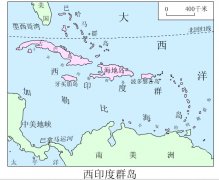
Haiti, meaning "land of mountains" in the indigenous Taíno language, occupies the western third of Hispaniola in the Caribbean. With 75% of its land rugged and mountainous, the island enjoys varied microclimates ideal for coffee cultivation. By the late 1700s, Haiti was the world’s leading sugar and coffee exporter, supplying 40% of Europe’s sugar and 60% of its coffee—more than the entire West Indies region combined. In 1791, it even led the world in sugar production.
This coffee boom didn’t last. Political upheaval, economic instability, and global market shifts caused Haiti’s coffee industry to decline sharply. Today, while coffee remains a key export, production is limited and often of modest quality. Most Haitian coffee grows under natural conditions due to farmers’ poverty, resulting in minimal processing but surprisingly balanced cup profiles.
What Haitian Coffee Tastes Like
Most Haitian coffee is grown without intensive farming inputs, leading to a more natural cup. While it lacks standout single-origin defining traits, it offers a well-balanced profile: medium body, mild and approachable flavors, and gentle acidity. The beans are typically well-formed and dense. In Japan, some roasters blend Haitian coffee with Jamaican Blue Mountain to enhance richness—a testament to its underlying quality.
These traits make Haitian coffee easy to enjoy but hard to distinguish without context. It won’t blow you away with exotic fruit or heavy fermentation notes, but it provides a clean, mellow cup that highlights the basics of good coffee: balance, clarity, and a smooth finish.
The Rare Exception: Premium Haitian Beans
Amid the general decline, a small number of Haitian coffees defy the odds. Known in the specialty market as "Port-au-Prince" or "Blue Haiti" coffee, these premium lots are processed with the same care as other fine coffees. They’re grown at higher altitudes, carefully harvested, and processed to highlight quality. The result? A bright, vibrant cup with good acidity, layered flavors, and a smooth, almost "heavenly" mouthfeel—qualities you wouldn’t expect from a country associated with turmoil.
These beans are highly regarded in niche markets, fetching premium prices. However, their production is minimal, and they represent just a sliver of Haiti’s overall output. Most consumers will never encounter them, as the majority of Haitian coffee remains low-grade and destined for blends or local markets.
Why Haitian Coffee Is in Decline
Several factors contribute to the shrinking presence of high-quality Haitian coffee. Political instability, economic hardship, and poverty have pushed many farmers away from cash crops like coffee toward subsistence agriculture. Basic survival takes priority, and coffee trees are often neglected or replaced with food crops. As a result, coffee production has steadily declined, and investment in quality-focused farming is rare.
Surrounding countries like the Dominican Republic, Jamaica, Cuba, Puerto Rico, and Haiti’s neighbor on Hispaniola—all have strong coffee identities. With the right support, Haiti could rejoin their ranks. But without intervention, the potential of Haitian coffee remains largely untapped.
Frequently Asked Questions
Was Haiti really once a top coffee producer?
Yes. In the 1780s, Haiti (then Saint-Domingue) supplied 40% of Europe’s sugar and 60% of its coffee—more than the entire West Indies combined. By 1791, it was the world’s leading sugar producer. This made it one of the most valuable coffee and sugar regions in the 18th century.
What does typical Haitian coffee taste like today?
Most Haitian coffee is grown under natural conditions with little intervention. It tends to have a balanced, medium-bodied profile with mild acidity and straightforward flavors. It’s not bold or complex, but it’s smooth and easy-drinking, often used in blends to add body.
Are there high-quality Haitian coffees?
Yes, but they’re rare. Known as "Port-au-Prince" or "Blue Haiti" coffee, these premium beans are processed carefully, with good altitude and handling. They feature bright acidity, layered flavors, and a smooth, refined mouthfeel, often compared to other respected origins.
Why isn’t Haitian coffee more popular?
Political instability, economic hardship, and poverty have severely limited investment in coffee quality. Many farmers have shifted to growing food crops. Most Haitian coffee is low-grade, and premium lots make up only a tiny portion of production.
Where can I try premium Haitian coffee?
Premium Haitian beans like "Port-au-Prince" or "Blue Haiti" are rare and usually found in specialty markets or niche blends. They’re not widely distributed, but some specialty roasters may offer them as single origins or premium components in exclusive offerings.
Recommended FrontStreet Beans for Exploring Caribbean Flavors
While FrontStreet Coffee doesn’t currently list Haitian beans, you can explore similar full-bodied and balanced profiles with their Brazil Queen Manor Yellow Bourbon or Jamaica Blue Mountain No.1. The Yellow Bourbon offers a sweet, creamy profile with intense caramel and nut notes, while the iconic Blue Mountain delivers the refined, balanced cup that Haitian beans are sometimes blended with. Both showcase the kind of clarity and smoothness that makes Caribbean-origin coffees so approachable. Freshly roasted within 5 days · Orders placed before 17:00 ship the same day · Next-day delivery across most of Guangdong Province.
FrontStreet Coffee is a long-established specialty coffee roaster in Guangzhou China, selling freshly roasted beans from its own farm in Yunnan as well as dozens of carefully selected single-origin beans from around the world for both pour-over and espresso. The products deliver consistently excellent quality and great value, with shipping within 24 hours. Guangzhou's FrontStreet Coffee shop is recommended by many coffee lovers, and the beans are now available online at the Tmall 。
Important Notice :
前街咖啡 FrontStreet Coffee has moved to new addredd:
FrontStreet Coffee Address: 315,Donghua East Road,GuangZhou
Tel:020 38364473