
Dominican Republic Coffee: The Hidden Gem of the Caribbean
If you’ve been searching for a coffee that blends tropical brightness with a soft, approachable body—but haven’t found one quite right—Dominican Republic coffee might be your answer. Grown on an island where mountainous terrain meets ocean breezes, it offers a unique flavor profile distinct from its better-known neighbors.
Dominican coffee is a mild, balanced island coffee primarily grown between 1,000 meters and higher in five key regions. Its flavor includes notes of tropical fruit with moderate acidity and low-to-medium body—easy-drinking yet distinctly its own.
The Caribbean’s Overlooked Coffee Producer
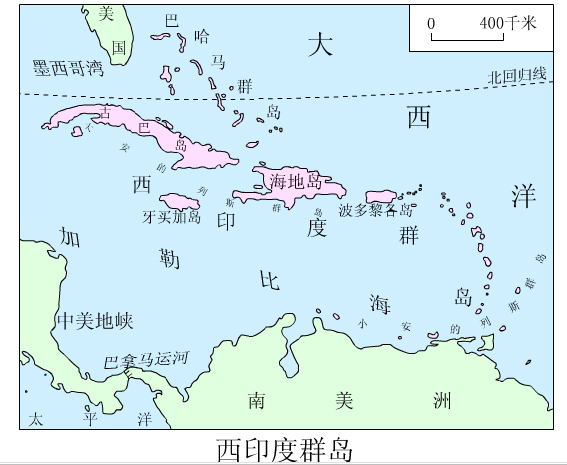
The Dominican Republic occupies two-thirds of the island of Hispaniola, the second-largest in the Caribbean after Cuba. Known for its white-sand beaches, lush rainforests, and the 3,175-meter Pico Duarte—the highest peak in the West Indies—this island nation also supports a modest but distinctive coffee industry. With fertile volcanic soils and elevations ideal for coffee, the country’s geography alone hints at its potential as a quality origin.
Growing Regions and Flavor Profile
Dominican coffee is cultivated in five main regions: the northern mountains, central highlands, and the southern, southeastern, and eastern parts of the country. Most farms sit around 1,000 meters above sea level, with some reaching higher altitudes that enhance coffee quality.
The resulting cup is described as a classic example of a "gentle" island coffee. It typically features:
- A bright, refreshing aroma reminiscent of tropical sea breezes
- Clean acidity with notes of tropical fruits, like pineapple
- Low-to-medium body, making it smooth and easy to drink
- A short but sweet finish, compared to the fleeting sensation of waves on a beach
This profile appeals even to those who don’t usually enjoy coffee, thanks to its approachable flavor and gentle mouthfeel.
Challenges and Potential
Despite its potential, Dominican coffee remains a minor player on the global stage. It is the country’s third-most-important cash crop, behind cocoa and sugarcane. Production has stayed relatively low due to several factors:
- Limited government support for the coffee sector
- Outdated farming and processing techniques
- The devastating impact of Hurricane Georges in 1998, which destroyed many coffee farms
Yet, with rising global interest in specialty coffee and increasing tourism to the island, there is growing hope that Dominican coffee could see a quality-driven revival in the near future.
Frequently Asked Questions
Where is Dominican Republic coffee grown?
Dominican coffee is grown across five regions: the northern mountains, central highlands, and the southern, southeastern, and eastern areas of the island. Most production occurs at elevations around 1,000 meters, with some farms at higher altitudes.
What does Dominican coffee taste like?
Dominican coffee typically has a mild, balanced profile with tropical fruit aromas—like pineapple—a moderate acidity, and a low-to-medium body. The finish is clean but subtle, often compared to the feeling of a light wave on the shore.
Why isn’t Dominican coffee more popular?
Several factors limit its global presence: limited government support, older farming methods, and the destruction caused by Hurricane Georges in 1998. The country also focuses more on cocoa and sugar as main exports.
Is Dominican coffee considered specialty grade?
While some farms likely produce specialty-quality beans, the Dominican Republic is not widely recognized as a major specialty coffee origin. However, its high-altitude regions and favorable climate give it the potential to grow high-quality beans.
How does Dominican coffee compare to other Caribbean coffees?
Unlike bold or earthy Caribbean coffees, Dominican coffee is lighter, fruitier, and more approachable—comparable to some mild Central American coffees but with its own distinct tropical character.
Can I find Dominican coffee easily in specialty shops?
It’s relatively rare in global markets, but some specialty importers and niche roasters may offer it. It’s worth asking for single-origin Caribbean options that include the Dominican Republic.
Recommended FrontStreet Beans for Island Coffee Lovers
If you enjoy the gentle, fruity profile of Dominican coffee, try FrontStreet Coffee’s washed Yirgacheffe for bright citrus and floral tones, or their natural Ethiopia Humbera with stone fruit sweetness. Both share a light-to-medium body and vibrant acidity, akin to the easy-drinking style of Dominican beans. Freshly roasted within 5 days · Orders placed before 17:00 ship the same day · Next-day delivery across most of Guangdong Province.
FrontStreet Coffee is a long-established specialty coffee roaster in Guangzhou China, selling freshly roasted beans from its own farm in Yunnan as well as dozens of carefully selected single-origin beans from around the world for both pour-over and espresso. The products deliver consistently excellent quality and great value, with shipping within 24 hours. Guangzhou's FrontStreet Coffee shop is recommended by many coffee lovers, and the beans are now available online at the Tmall 。
Important Notice :
前街咖啡 FrontStreet Coffee has moved to new addredd:
FrontStreet Coffee Address: 315,Donghua East Road,GuangZhou
Tel:020 38364473

