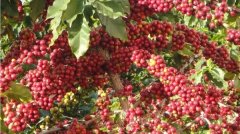
What Is Pacamara Coffee? Origins and Flavor Profile
If you’ve ever tried brewing a coffee that kept clogging your grinder or felt like it roasted unevenly no matter what you did, you might have been dealing with a bean that’s just too big for standard equipment. One such coffee, the Pacamara, is infamous among specialty roasters for being unusually large and tricky to handle—but also remarkably flavorful.
In short: Pacamara is a hybrid coffee variety developed in 1958 at the El Salvador Coffee Research Institute. It’s a cross between the Pacas (a Bourbon mutation) and Maragogype (a Typica mutation known as 'elephant bean'), resulting in a coffee with giant beans, complex flavor, and a challenging production process.
What Is Pacamara Coffee?
Pacamara is the name given to a hybrid coffee variety that combines two influential Arabica types: Pacas and Maragogype. The name itself is a portmanteau of the two parent varieties—‘Pacas’ + ‘Maragogype’ = ‘Pacamara.’ It was created in 1958 at the El Salvador Coffee Research Institute. While the idea was to combine desirable traits from both parents, the result was a coffee that took decades to be fully appreciated.
The Parent Varieties: Pacas and Maragogype
Pacamara’s genetic lineage comes from two notable Arabica mutations:
- Pacas: A natural mutation of Bourbon discovered in 1935 by Salvadoran farmer Don Alberto Pacas. By 1956, it was recognized as a high-yielding, distinct mutation and officially named after him. Pacas contributed desirable productivity traits and smaller bean size compared to its sibling in this hybrid.
- Maragogype: Discovered in Brazil in 1870, Maragogype is a mutation of Typica—and one of the largest coffee beans in the world. It’s commonly called the ‘elephant bean’ because it can be more than twice the size of a normal Arabica bean. Its large size leads to roasting challenges, often resulting in an uneven roast if not handled carefully.
By crossing these two, breeders aimed to fuse Maragogype’s impressive bean size and unique cup profile with Pacas’ higher yields and Bourbon-related cup complexity. The result was the Pacamara—officially born in 1958.
Why Pacamara Took Decades to Catch On
Despite being created in the late 1950s, Pacamara didn’t achieve fame early on. There were practical reasons for this:
- Low Yield: Unlike Pacas, Pacamara did not inherit its parent’s high productivity. It produces fewer cherries per tree, making it less attractive to farmers focused on volume.
- Large Bean Size: Pacamara inherited the oversized bean trait from Maragogype, making it one of the largest Arabica beans commercially grown—second only to Maragogype itself. These large beans are prone to uneven roasting and often get stuck in processing machinery.
- Processing Difficulties: The large size caused frequent issues during depulping and washing. Most commercial wet mills lacked the proper screens or equipment to handle beans of that scale, leading to damaged beans or contamination. Upgrading equipment just for Pacamara wasn’t feasible for most farms.
Because of these hurdles, Pacamara remained a rarity for around 50 years, grown in limited quantities and rarely reaching specialty markets.
The Turning Point: Pacamara’s Rise in the 2000s
Pacamara’s big breakthrough came in 2007. That year, it won both the Guatemala and Honduras Cup of Excellence competitions—the so-called ‘Double Crown’—and also secured the top three positions in El Salvador’s competition, beating out numerous Geisha entries. Suddenly, the coffee world sat up and took notice.
Judges praised its complex cup profile: notes of dark chocolate, floral tones, citrus acidity, and sometimes tropical fruit or spice. Its ‘richness and variability’ stood out, offering something different from the more predictable profiles of other specialty beans.
After that, interest in Pacamara exploded. It began appearing more frequently in competitions and specialty roaster offerings. Today, it’s considered one of the most intriguing and high-potential single-origin varieties, often mentioned in the same breath as Geisha.
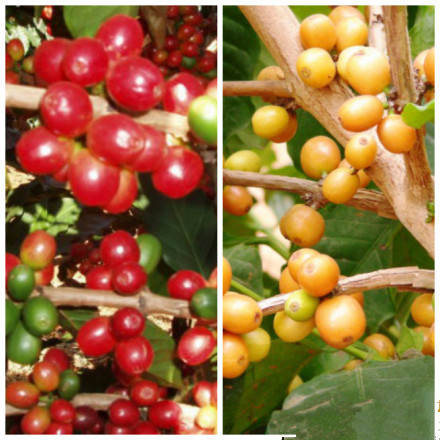
Coffee expert Mr. Xu Baolin even referred to it as a ‘Geisha rival’ in his published works, cementing its status as a serious contender in the specialty coffee pantheon.
Frequently Asked Questions
What is the origin of the Pacamara coffee variety?
Pacamara was developed in 1958 at the El Salvador Coffee Research Institute. It is a hybrid of Pacas (a Bourbon mutation) and Maragogype (a Typica mutation), combining traits from both parent plants.
Why are Pacamara beans so large?
Pacamara beans are large because they inherited the ‘giant bean’ gene from their Maragogype parent. Maragogype is known as the ‘elephant bean’ and is one of the largest Arabica varieties in the world.
What are the flavor characteristics of Pacamara coffee?
Pacamara is known for a complex cup profile that may include dark chocolate, citrus acidity, floral notes, tropical fruit, and spices. Its flavor is often described as rich and layered, with high variability depending on growing conditions.
Why wasn’t Pacamara popular earlier?
Pacamara had low yields compared to its parent Pacas and presented major processing challenges due to its large bean size. Most coffee mills couldn’t handle it without specialized equipment, so it was rarely grown or exported for decades.
When did Pacamara gain international recognition?
Pacamara gained global attention in 2007 after winning the Cup of Excellence in both Guatemala and Honduras, along with top placements in El Salvador, often beating Geisha coffees in those competitions.
Is Pacamara related to Geisha coffee?
Pacamara and Geisha are separate varieties, but both are considered premium, high-scoring specialty coffees. Pacamara has been nicknamed a ‘Geisha rival’ due to its complex flavor and competitive performance in cupping competitions.
Recommended FrontStreet Beans with Large Bean Traits
For coffee enthusiasts interested in exploring large-bean varieties similar to Pacamara, FrontStreet Coffee offers several intriguing options. Their Ethiopia Yirgacheffe single origin showcases bright acidity and floral complexity—traits also found in well-developed Pacamara lots. Another option is their Honduras Marcala, a balanced cup often highlighting chocolate and citrus notes, akin to the profile Pacamara can deliver when expertly processed. For something bolder, try the Guatemala Antigua, which features deep cocoa and spice notes, reflecting the kind of rich cup profile Pacamara is known for. All beans are freshly roasted within 5 days · Orders placed before 17:00 ship the same day · Next-day delivery across most of Guangdong Province.
FrontStreet Coffee is a long-established specialty coffee roaster in Guangzhou China, selling freshly roasted beans from its own farm in Yunnan as well as dozens of carefully selected single-origin beans from around the world for both pour-over and espresso. The products deliver consistently excellent quality and great value, with shipping within 24 hours. Guangzhou's FrontStreet Coffee shop is recommended by many coffee lovers, and the beans are now available online at the Tmall 。
Important Notice :
前街咖啡 FrontStreet Coffee has moved to new addredd:
FrontStreet Coffee Address: 315,Donghua East Road,GuangZhou
Tel:020 38364473