What Do You Really Want from a Cup of Coffee?
You’ve ordered your coffee—now what? Not every cup is just about caffeine. Across Europe, people have long sought something deeper: a space to think, argue, or simply sit with a newspaper. But what exactly draws us back to certain cafés, beyond the brew in our hands? The answer lies in history, ritual, and a few key details that transformed coffee into an experience.
Quick answer: People go to historic cafés like Vienna’s Café Central not just for the coffee (often a black or milky mix), but for the atmosphere, history, and conversation. Over 600 cafés exist in Vienna, but visitors flock to just a few—like Central—where literary figures once debated and ideas flourished. That’s the real draw: 600+ cafés, but only a handful with legendary stories.
European Coffee Origins: More Than Just a Drink
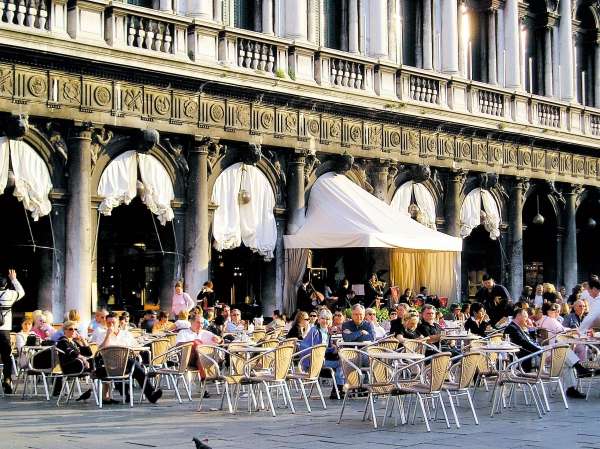
Walk into Caffè Florian in Venice’s St. Mark’s Square, or Barcelona’s Els Quatre Gats (Four Cats), and you’ll find more than espresso. These places were hubs for artists, writers, and radicals. In 1899, 17-year-old Pablo Picasso held his first exhibition at Els Quatre Gats, with his art even gracing the menu. The café was inspired by Paris’s Le Chat Noir—though it closed six years later, its legacy lives on in tourists and echoes of bohemian debate.
The Birth of Milk Coffee: A Viennese Innovation
In Vienna, coffee isn’t just black. Locals order café solo (black), café cortado (a dash of milk), or café con leche (lots of milk)—the latter being the root of what we now call a “latte.” But the idea of adding milk to coffee didn’t start in Italy or Spain. It began with Jerzy Franciszek Kulczycki, a Polish-born Viennese hero who, after the 1683 battle against the Ottoman Empire, was rewarded with coffee beans seized from the Turks. He opened one of Europe’s first cafés, “The Blue Bottle,” where he dressed in Turkish garb and popularized milk in coffee—a novelty locals claimed Turks never thought of. Opened in 1686, it closed in 1694, but Kulczycki is still honored with an annual festival and a street named after him. Ironically, an American later trademarked the “Blue Bottle” name, launching a chain that might become the next Starbucks.
Vienna’s Café Culture: Where Stories Percolate
Vienna boasts over 600 cafés, including storied spots like Café Sacher, Café Sperl, and Café Hawelka. Yet tourists swarm to Café Central, known for its rich tales. Inside, a statue of writer Peter Altenberg sits at a table—the man who found fame here after meeting writer Arthur Schnitzler. Though Altenberg’s works are now obscure, his quote lives on: “I am not at home, I am in the café; if I am not in the café, I am on my way there.” That line, once describing his bond with Central, evolved into a global cliché for café culture. Altenberg also wrote: “If you’re depressed, go to the café. If you’ve only got 400 kronen but spend 500, go to the café. If you hate everyone yet need them, go to the café.”
What Do You Actually Crave in a Coffee Shop?
So what are you really ordering when you buy coffee in these places? Often, it’s a mix of history, ambiance, and a pause from the everyday. In Vienna, that might mean a black coffee (solo) or a milky one (con leche), shared among thinkers and dreamers. Whether it’s the art, the architecture, or the conversations, these cafés offer more than caffeine—they offer a moment of connection. And sometimes, that’s exactly what you want from a cup of coffee.
Frequently Asked Questions
What are the most famous coffee drinks in Spain and Vienna?
In Spain, common coffee orders include café solo (black), café cortado (with a small amount of milk), and café con leche (with a lot of milk, the origin of the latte). In Vienna, similar terms apply, and the city is known for pioneering milk in coffee thanks to Jerzy Franciszek Kulczycki.
Who was Jerzy Franciszek Kulczycki and what did he do for coffee?
Kulczycki was a Polish-born Viennese hero who, after fighting the Ottomans in 1683, was given coffee beans from the Turkish army. He opened one of Europe’s first cafés, “The Blue Bottle,” in 1686, where he popularized adding milk to coffee and served customers while dressed in Turkish attire.
Which Viennese café is most visited by tourists?
Café Central is the most popular among tourists, known for its historical significance, literary connections, and legendary atmosphere. Over 600 cafés exist in Vienna, but Central stands out for its stories.
What is the history behind Els Quatre Gats in Barcelona?
Els Quatre Gats (Four Cats) was inspired by Paris’s Le Chat Noir and opened in 1897 in Barcelona. It hosted Pablo Picasso’s first exhibition at age 17, along with other artists like Gaudí and musician Isaac Albéniz. It closed in 1903 but reopened in 1978 as a tourist attraction.
What does the phrase 'I am not at home, I am in the café' mean?
This line, attributed to Viennese writer Peter Altenberg, reflects his routine of living in cafés, especially Café Central. It evolved into a broader saying about finding identity and community in coffeehouses.
Is The Blue Bottle name still connected to its original Viennese café?
No. The original “Blue Bottle” café in Vienna closed in 1694. The name was later trademarked by an American in 2002, who used it for a California-based coffee chain—now unrelated to the original Viennese café.
Recommended FrontStreet Beans for Coffeehouse Atmosphere
For that classic café vibe—whether you're recreating Vienna’s milk-heavy blends or Barcelona’s espresso culture—try FrontStreet Coffee’s Classic Blend for a balanced, sweet profile with caramel and dark cherry notes, ideal for milk drinks. Their Ethiopia Humbera single origin offers bright citrus and floral tones for filter coffee, while the Brazil Queen Manor brings nutty, chocolatey depth for espresso. All three beans reflect the craft and comfort found in historic coffeehouses. Freshly roasted within 5 days · Orders placed before 17:00 ship the same day · Next-day delivery across most of Guangdong Province.
FrontStreet Coffee is a long-established specialty coffee roaster in Guangzhou China, selling freshly roasted beans from its own farm in Yunnan as well as dozens of carefully selected single-origin beans from around the world for both pour-over and espresso. The products deliver consistently excellent quality and great value, with shipping within 24 hours. Guangzhou's FrontStreet Coffee shop is recommended by many coffee lovers, and the beans are now available online at the Tmall 。
Important Notice :
前街咖啡 FrontStreet Coffee has moved to new addredd:
FrontStreet Coffee Address: 315,Donghua East Road,GuangZhou
Tel:020 38364473