What's the difference between cocoa beans and coffee beans? The growth environment of cocoa beans plays a role in the characteristics and effects.
Professional coffee knowledge exchange more coffee bean information please follow the coffee workshop (Wechat official account cafe_style)
Coffee tree is a perennial evergreen shrub or small tree of Rubiaceae, which is a horticultural perennial cash crop. The origin of the coffee tree is Ethiopia in Africa. As coffee is a tropical woody plant of Rubiaceae, the climate is the decisive factor for coffee cultivation, and coffee trees are only suitable for growing in the tropics or subtropics, so the zone between latitude 25 degrees south and north is generally called coffee belt or coffee producing area. When other growth conditions are the same, the higher the altitude, the better the quality of the coffee. Coffee beans, commonly known as coffee beans, are actually the seeds of the fruit of coffee trees, just because they are shaped like beans, so they are called coffee beans.
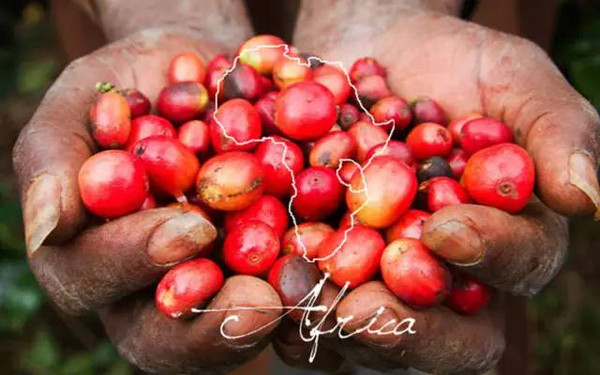
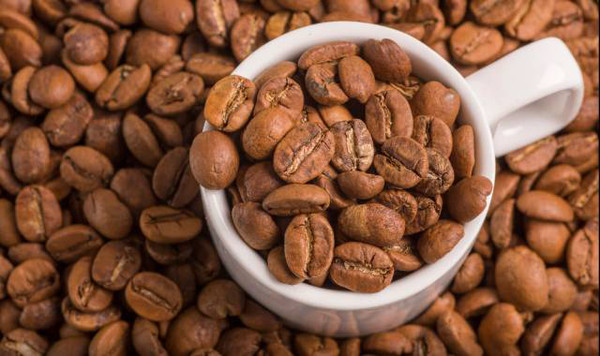
The ripe coffee berries look like cherries and are bright red with sweet flesh and contain a pair of seeds, namely coffee beans (Coffee Beans). After removing the pulp, washing and roasting, the coffee beans become the coffee beans we see now. after grinding the coffee beans into powder, we can use different utensils to extract the coffee we use every day. Cocoa beans are bigger than coffee beans and flatter than coffee beans. The dent in the middle is shallower than that of coffee beans, and the dent is wavy.
Native to tropical America, it can be used as drinks and chocolates. it is nutritious, mellow and fragrant. Cocoa beans are the fruit of cocoa trees. long before Columbus arrived in the United States, residents of tropical Central America, especially the Mayans and Aztecs, knew the use of cocoa beans, not only into beverages, but also as a medium of exchange. In the 16th century, cocoa beans were introduced into Europe, refined into cocoa powder and chocolate, and further refined into cocoa butter (cocoa butter). Chocolate, formerly known as cocoa, is a seed taken from the fruit of a cocoa tree, which grows directly from tree trunks and branches, also known as cocoa pods. Chocolate, as we know it, is made from cocoa beans into cocoa powder and then added to sugar, milk, peanuts and other excipients, which has nothing to do with coffee.
Cocoa beans (raw beans) contain 5.58% moisture, 50.29% fat, 14.19% nitrogen substances, etc., and cocoa beans also contain nerve center stimulants such as caffeine and tannins, which have a lot to do with the color, aroma and taste of chocolate. The melting point of cocoa butter is close to human body temperature, has the characteristic of melting at the entrance, maintains a certain hardness at room temperature, has a unique cocoa flavor, has high nutritional value, is not easy to oxidize, and is the main raw material for making chocolate.
In general, coffee beans grow on branches, a coffee fruit breaks open with two coffee beans, while cocoa fruit grows on a tree trunk, a cocoa fruit the size of a football, about 20-70 cocoa beans. In terms of crop picking time, coffee trees are harvested once a year, while cocoa fruits are harvested every two years. What they have most in common is that the climate requirements are similar.
After the cocoa beans arrived at the factory, sampling analysis was first carried out, such as key ingredients and flavor indicators. The process will then determine the characteristic taste and flavor of each chocolate product, such as the basic body aroma that African cocoa beans can bring to chocolate, while American and Asian cocoa beans can give chocolate a more subtle aroma (refined aroma). The particle size of cocoa powder is very important to the taste and flavor of the finished product. The smaller the particle size is, the finer the taste is and the more fully the flavor is released.
Cocoa beans have the effects of controlling appetite, skin and beauty, pleasing to the mouth, gathering essence and refreshing, reducing fat and protecting heart, clearing mouth and strengthening teeth, anti-oxidation and longevity.
FrontStreet Coffee is a long-established specialty coffee roaster in Guangzhou China, selling freshly roasted beans from its own farm in Yunnan as well as dozens of carefully selected single-origin beans from around the world for both pour-over and espresso. The products deliver consistently excellent quality and great value, with shipping within 24 hours. Guangzhou's FrontStreet Coffee shop is recommended by many coffee lovers, and the beans are now available online at the Tmall 。
Important Notice :
前街咖啡 FrontStreet Coffee has moved to new addredd:
FrontStreet Coffee Address: 315,Donghua East Road,GuangZhou
Tel:020 38364473