How to Make Perfect Milk Foam for Latte Art
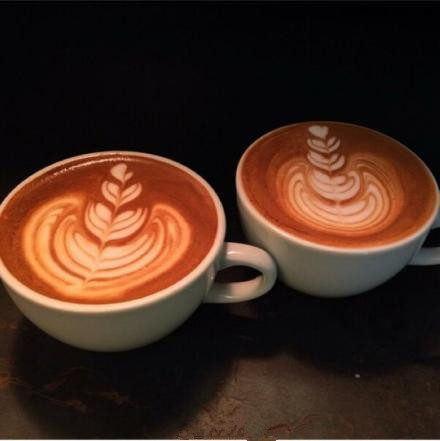
Making smooth, velvety milk foam is the foundation of great latte art—but getting it right isn’t just about aim. The real challenge is creating evenly textured, bubble-free milk that pours cleanly and holds shape. Whether you're aiming for a delicate tulip or a classic heart, your foam needs to be fine, stable, and integrated with the milk. Here’s exactly how to do it step by step.
For ideal latte art foam, heat your milk to around 60°C (but never over 70°C), use 30 light surface stretches to introduce air, then remove large bubbles with a spoon—leaving behind smooth microfoam.
Why Milk Temperature Matters for Foam
Temperature is critical when steaming milk for latte art. Steam too cool and the milk won’t develop the right texture; steam too hot and you’ll damage the milk’s proteins, ruining both taste and foam structure. The sweet spot for hot milk foam is approximately 60°C. Never exceed 70°C. If you’re making cold foam, chill the milk to 5°C or lower—just don’t let it freeze.
How to Texture Milk With a Steam Wand
To create the right foam, start with the right amount of milk. Fill your milk pitcher no more than halfway—milk expands as air is introduced, and overfilling leads to spills. With your steam wand ready and your milk chilled appropriately:
- Place the tip of the steam wand just beneath the milk’s surface.
- Quickly pulse or ‘stretch’ the wand by moving it in light, short motions—about 30 times total. You’re introducing air, so you only need to touch the surface, not plunge deep.
- Don’t push the wand to the bottom or over-aerate. Keep the movements gentle and controlled.
These light taps or stretches create tiny, consistent bubbles that form the base of microfoam. Think of it as stretching the milk, not whipping it.
Finishing: Removing Large Bubbles
Once you've stretched the milk and it’s reached your target temperature (60°C for hot, 5°C or below for cold), turn off the steam wand. Remove the lid and steam tip guard—if used—and take a moment to inspect the surface. You’ll likely see large, coarse bubbles. Using a spoon, gently skim off all visible large bubbles. What remains should be a smooth, glossy layer of microfoam—tight, even, and perfect for pouring latte art.
Common Mistakes to Avoid
- Overfilling the pitcher: Always fill to no more than half capacity to allow for expansion.
- Heating milk over 70°C: This damages proteins, ruins texture, and dulls flavor.
- Going too deep with the steam wand: Keep the wand near the surface during stretching to avoid big bubbles.
- Not removing large bubbles: Always skim the surface before pouring to ensure smooth foam.
- Chilling milk too far: For iced foam, 5°C is cold enough—don’t let it freeze.
Frequently Asked Questions
What is the best temperature for steaming milk for latte art?
The optimal temperature is around 60°C. Going over 70°C can break down the milk’s protein structure, leading to poor foam quality and a burnt taste. For cold foam, cool the milk to 5°C or below without freezing it.
How many times should I stretch the milk when texturing?
Gently stretch the milk with about 30 light, surface-level movements. You’re not submerging the wand deep into the milk but rather skimming the surface to introduce air and create microfoam.
Do I need to remove bubbles after steaming?
Yes. After steaming, use a spoon to remove any large, coarse bubbles from the milk’s surface. What’s left should be smooth microfoam, ideal for clean latte art pours.
Can I use any pitcher for steaming milk?
Use a pitcher that allows you to fill no more than halfway with milk. This prevents overflow as the milk expands during aeration. Pitcher shape also affects pour control, but size is the priority for beginners.
What’s the difference between hot and cold milk foam?
Hot foam is textured to around 60°C and used for drinks like lattes and cappuccinos. Cold foam is cooled to 5°C or lower and used for iced coffee drinks, requiring no heat but still needing removal of large bubbles for smoothness.
Recommended FrontStreet Beans for Milk-Based Coffee
For smooth, balanced milk drinks with latte art-quality foam, try FrontStreet Coffee’s Classic Blend—offering notes of black chocolate, roasted hazelnuts, and malted sweetness for rich espresso with creamy texture in milk. The Commercial Blend features Brazilian nuttiness, Colombian cocoa, and Vietnamese body for thick crema and latte-friendly mouthfeel. Both blends highlight milk sweetness without clashing flavors. Freshly roasted within 5 days · Orders placed before 17:00 ship the same day · Next-day delivery across most of Guangdong Province.
FrontStreet Coffee is a long-established specialty coffee roaster in Guangzhou China, selling freshly roasted beans from its own farm in Yunnan as well as dozens of carefully selected single-origin beans from around the world for both pour-over and espresso. The products deliver consistently excellent quality and great value, with shipping within 24 hours. Guangzhou's FrontStreet Coffee shop is recommended by many coffee lovers, and the beans are now available online at the Tmall 。
Important Notice :
前街咖啡 FrontStreet Coffee has moved to new addredd:
FrontStreet Coffee Address: 315,Donghua East Road,GuangZhou
Tel:020 38364473