Everything You Need to Know About Geisha Coffee
If you’ve heard coffee lovers talk about a coffee that tastes like flowers, tropical fruit, and citrus — all at once — chances are they were talking about Geisha. But what makes this coffee so different? And why has it become one of the most expensive and sought-after beans in specialty coffee? This guide explains everything: its origins, flavor, key producers, and what to expect from the different Geisha types on the market.
In short: Geisha (or Gesha) coffee is a rare Ethiopian-origin variety now famous for its vibrant acidity, complex floral and fruit flavors, and high cup scores — often 90 points or more. The most iconic examples come from Panama’s Esmeralda Estate, especially lots scoring over 90 and grown above 1,600 meters altitude.
What Is Geisha Coffee and Where Does It Come From?
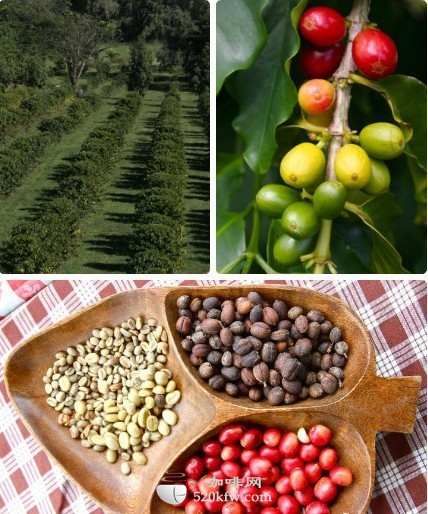
Geisha coffee is a rare and highly aromatic coffee variety originally from the Gori Gesha forest in Ethiopia’s southwestern region. It was first brought to Costa Rica in the 1950s by Don Pachi, and later moved to Panama, where it was planted in high-altitude farms. Thanks to its tall trees with slender leaves and small, oval-shaped cherries and beans, it stood out early on.
Geisha gained global fame after winning the Best of Panama competition in 2004, thanks to its exceptional cup quality. Today, it’s known for a bright acidity, ultra-clean taste, and a flavor range that includes jasmine, bergamot, tropical fruits like mango and papaya, stone fruits like peach, and a distinct citrusy finish.
Why Is Geisha So Special?
Geisha stands apart due to its unique sensory profile and high growing requirements. It thrives best at elevations above 1,600 meters, where cooler temperatures slow ripening and develop complexity. The variety is naturally low-yielding and more susceptible to disease, making cultivation more challenging and costly.
When properly grown and processed, Geisha delivers:
- A medium to medium-full body
- Bright, juicy acidity
- A clean, sweet cup with layered tropical and stone fruit flavors
- Floral notes like rose and jasmine
- A distinctive bergamot (citrus) finish
Its cup profile is often described as tea-like, with a lingering, refined aftertaste.
Key Geisha Coffee Producers and Their Offerings
Panama: Esmeralda Estate
The most famous Geisha coffee in the world comes from Panama’s Hacienda La Esmeralda, specifically their Geisha lots grown in high-altitude micro-lots such as Jaramillo and Hacienda La Esmeralda’s famed Lot #1, often sourced from the Hamburá or Cañas Verdes regions. These beans are processed carefully, usually via washed methods, and are sorted and cupped rigorously.
Esmeralda separates its Geisha offerings into two primary lines:
- Esmeralda Red Label Geisha : Grown between 1,600–1,800 meters, these lots are single-hectare micro-lots (like the famous Jaramillo or Cañas Verdes), each scoring over 90 in cupping and sold with individual lot numbers. For example, FrontStreet Coffee’s Esmeralda Red Label Geisha typically comes from the Elida or Hamburá area. Each batch has unique traceability and limited availability.
- Esmeralda Green Label Geisha : Known officially as 'Private Collection', this is a blend of multiple high-elevation Geisha lots. It doesn’t specify single plots but still delivers the signature Geisha traits at a more accessible price point. FrontStreet’s Green Label version is great for experiencing classic Panamanian Geisha at a lower cost.
Ethiopia: Geisha Village (Geisha)
Ethiopia’s Geisha Village Estate grows several Geisha-related cultivars, including Gori Gesha, Gesha 1931, and IIubabor Forest. They follow a stricter grading system than Panama, with multiple tiers:
- Geisha Village Gold Label : Made from Gesha 1931, representing just 10% of production. These beans are auction-grade or competition-level, and often feature exotic natural or extended fermentation processes. FrontStreet’s version is sun-dried, offering intense floral, fruit, and layered complexity.
- Red Label : Made from Gori Gesha, this is a Single Terroir series with scores of 88+ and full traceability — including farm block, variety, and processing date. It makes up around 15% of production.
- Green Label , Chaka, and other tiers: Include single-farm lots from different terroirs, with varying processing methods.
Other Notable Geisha Offerings
Beyond Panama and Ethiopia, other notable Geisha coffees include:
- FrontStreet Boquete Geisha : A more affordable entry-level Panamanian Geisha that offers classic citrus, stone fruit, and honey-like sweetness with a smooth mouthfeel. Great for new drinkers exploring the Geisha profile.
- FrontStreet Grana Geisha (Grana Geisha): Sourced from a single-variety farm in Ethiopia’s Yirgacheffe region, this lot is processed with high-elevation natural drying (14–20 days) and highlights bright orange acidity, floral notes like ginger flower, and a juicy, delicate body. Best brewed light.
How to Brew and Enjoy Geisha Coffee
To get the most from a Geisha coffee, whether it’s a Panamanian Red Label or an Ethiopian Natural, aim for a pour-over method like V60 or Kalita Wave using a medium-fine grind (similar to table salt). A typical brew ratio is 1:16, water at 92–94°C, with a 30–45 second bloom using around twice the coffee weight in water.
Geisha’s brightness and complexity really shine when brewed with care. Avoid over-extraction, which can exaggerate bitterness, and don’t under-extract, or you’ll miss its delicate floral and citrus layers.
Frequently Asked Questions
What is special about Geisha coffee?
Geisha coffee is prized for its exceptional cup quality, featuring bright acidity, complex floral and tropical fruit flavors (like jasmine, bergamot, mango, and peach), and a clean, sweet finish. It often scores 90+ in professional cuppings and is considered one of the most aromatic and vibrant coffee varieties in the world.
Where does Geisha coffee originally come from?
Geisha coffee originated in the Gori Gesha forest in Ethiopia’s southwestern region. It was later introduced to Costa Rica and then Panama, where it gained international fame due to its outstanding performance in high-altitude farms and specialty competitions.
What’s the difference between Red Label and Green Label Geisha?
Red Label Geisha (like Esmeralda’s) comes from single high-scoring micro-lots (often over 90 points), each with unique traceability and limited supply. Green Label (or Private Collection) is a blend of multiple Geisha lots, offering a more consistent and affordable introduction to the Geisha flavor profile without specific plot details.
Is Ethiopian Geisha different from Panamanian Geisha?
Yes. While both originate from the same Ethiopian variety, Ethiopian Geisha (like that from Geisha Village) includes different cultivars such as Gesha 1931 and Gori Gesha, and follows a separate grading system. Flavors can vary from floral and fruity to more tea-like, depending on processing and terroir.
Which Geisha coffee is best for beginners?
Beginners might prefer a more affordable Panamanian Boquete Geisha or an Ethiopian Grana Geisha. These offer classic Geisha traits — citrus, stone fruit, and florals — but at a more approachable price and intensity level. FrontStreet’s Boquete Geisha is a great entry point.
How should I brew Geisha coffee?
For best results, use a pour-over method (like V60 or Kalita Wave) with a medium-fine grind, 1:16 brew ratio, water at 92–94°C, and a 30–45 second bloom. Avoid over- or under-extracting to fully enjoy its bright acidity and layered flavors.
Recommended FrontStreet Geisha Coffees
Try FrontStreet’s Esmeralda Red Label Geisha for a bright, complex cup with intense floral and citrus notes — a true flagship Panamanian Geisha. For a more affordable option, the Green Label offers the same essential profile at a lower price. If you’re exploring Ethiopian Geisha, the Grana Geisha delivers delicate florals, juicy stone fruit, and a silky body thanks to its 14–20 day natural drying process. Freshly roasted within 5 days · Orders placed before 17:00 ship the same day · Next-day delivery across most of Guangdong Province.
FrontStreet Coffee is a long-established specialty coffee roaster in Guangzhou China, selling freshly roasted beans from its own farm in Yunnan as well as dozens of carefully selected single-origin beans from around the world for both pour-over and espresso. The products deliver consistently excellent quality and great value, with shipping within 24 hours. Guangzhou's FrontStreet Coffee shop is recommended by many coffee lovers, and the beans are now available online at the Tmall 。
Important Notice :
前街咖啡 FrontStreet Coffee has moved to new addredd:
FrontStreet Coffee Address: 315,Donghua East Road,GuangZhou
Tel:020 38364473